Dog breeds / Akbash
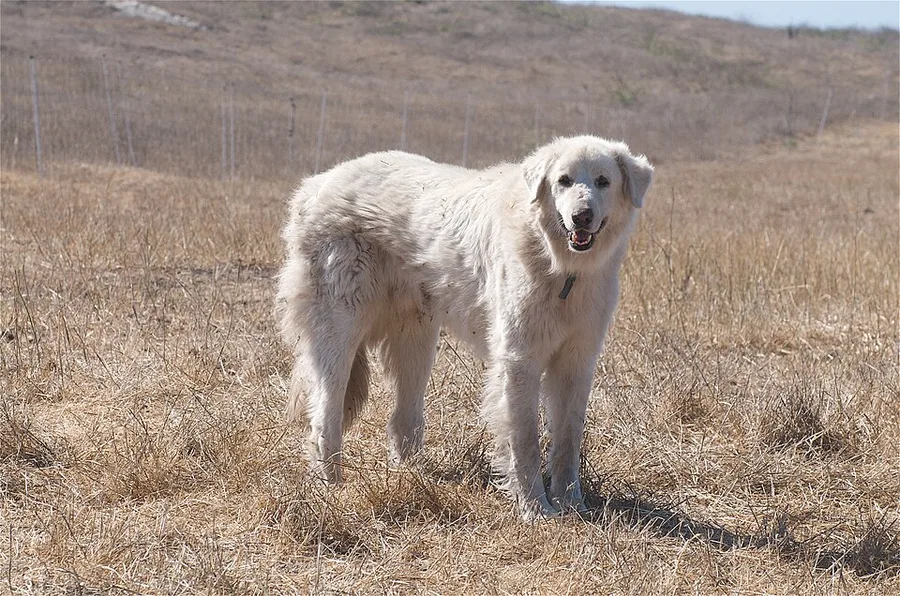
Photo: Jerry Kirkhart from Los Osos, Calif. · CC BY 2.0 · Wikimedia Commons
Dog breed
Akbash
The Akbash is a large, independent livestock guardian originally bred in Turkey to protect sheep and goats from wolves and other predators. With people it is calm, dignified and often reserved with strangers, and it bonds deeply with its own family. It tends to be patient with children it has grown up with, but it is not a playful companion breed and it can be wary of unfamiliar dogs and animals, so early socialization matters.
Day to day, an Akbash needs secure fencing, since it tends to roam and patrol, and it does best with space rather than a small yard or apartment. It needs daily walks and room to move, plus mental stimulation and steady, consistent training. It should not be left alone for long stretches and does best as a working or family dog with a clear role.
Good for: Rural homes, experienced owners, families with space
| Life span | 10 - 13 years |
| Origin | Turkey |
Living with a Akbash
Exercise
Plan for at least an hour of walking or free movement each day, along with space to roam safely. Long, relaxed walks suit this breed better than intense running.
Grooming
The double coat is thick and white, shedding heavily in spring and fall. Brush several times a week, more during shedding seasons, and bathe only as needed.
Health
Akbash dogs can be prone to hip and elbow dysplasia and bloat, a serious condition in large deep-chested dogs. Ask your veterinarian about screening and prevention.
Questions owners ask
Do Akbash dogs shed a lot?
Yes. They have a thick double coat and shed heavily, especially in spring and fall. Regular brushing several times a week helps keep loose hair under control.
Can an Akbash live in an apartment?
It is generally not a good fit. They need considerable space, a securely fenced yard and daily room to move. Apartment life is usually too confining for this breed.
Do Akbash dogs bark a lot?
They can be vocal and will alert to anything unfamiliar, as livestock guardians do. Consistent training and early socialization help manage excessive barking.
Good picks for a Akbash