Dog breeds / Alaskan Klee Kai
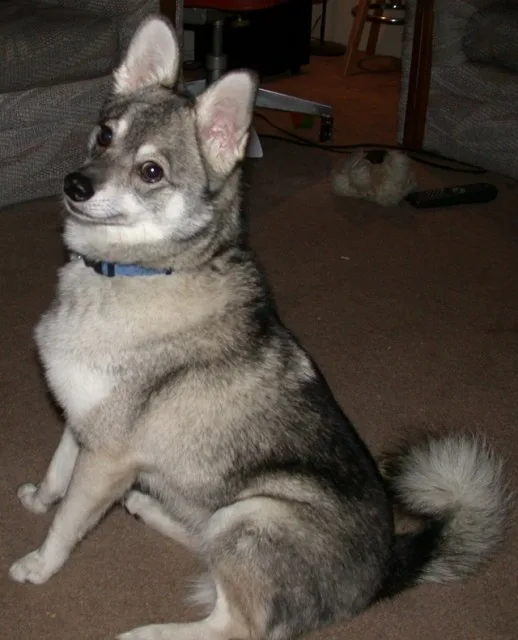
Photo: Gnuyen · CC BY-SA 3.0 · Wikimedia Commons
Dog breed
Alaskan Klee Kai
The Alaskan Klee Kai is a small, husky-looking companion dog bred in Alaska in the 1970s to be a smaller version of the Siberian Husky. It is typically affectionate and alert with its family, often bonding closely with one or two people. Many are reserved with strangers, and they tend to be wary of unfamiliar dogs, so early and gentle socialization helps. With children, they do best with calm, respectful handling and supervision.
Day to day, this breed needs a steady routine, daily walks, and time to play indoors. Its curious, independent streak means a securely fenced yard is important, since it can slip out or chase scents. Mental work such as puzzle toys and short training sessions keeps it content and well behaved.
Good for: Active households, owners who enjoy training and secure yards
| Life span | 13 - 14 years |
| Exercise | about 60 min a day |
| Shedding | moderate |
| Origin | United States |
Expect a strong prey drive and a tendency to escape, so secure fencing and a reliable recall are essential from the start.
Living with a Alaskan Klee Kai
Exercise
Plan for daily walks and active play, about an hour total, including time to run in a secure area. Mental games help as much as physical activity.
Grooming
Its double coat sheds seasonally, with heavier shedding in spring and fall. Brush several times a week and more often during shedding periods, and bathe only as needed.
Health
Alaskan Klee Kai can be prone to certain inherited conditions, including eye and joint problems and allergies. Ask your vet about screening and regular checkups.
- Allergies
- Patellar luxation
- Eye conditions
Known tendencies, not a diagnosis: ask your vet about this breed.
Questions owners ask
How much does the Alaskan Klee Kai shed?
It has a double coat and sheds moderately year-round, with heavier seasonal shedding. Regular brushing keeps loose hair under control at home.
Can an Alaskan Klee Kai live in an apartment?
It can adapt to apartment life if it gets daily walks and mental stimulation. Its tendency to bark and its need for activity make a yard helpful.
Do Alaskan Klee Kai bark a lot?
They are vocal and may bark or howl to alert or express themselves. Consistent training and enough exercise help reduce excess barking.
Good picks for a Alaskan Klee Kai
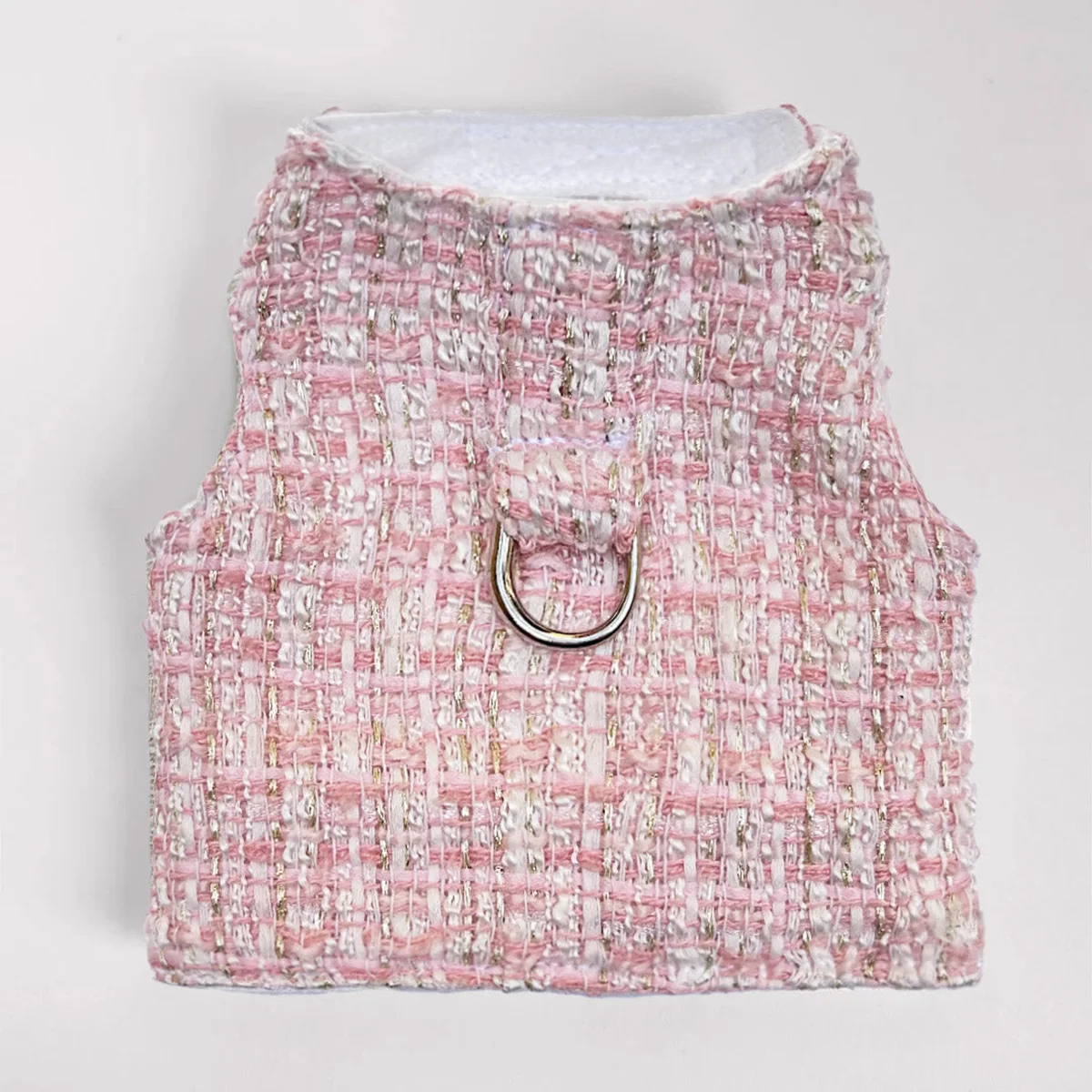 Made in the USA
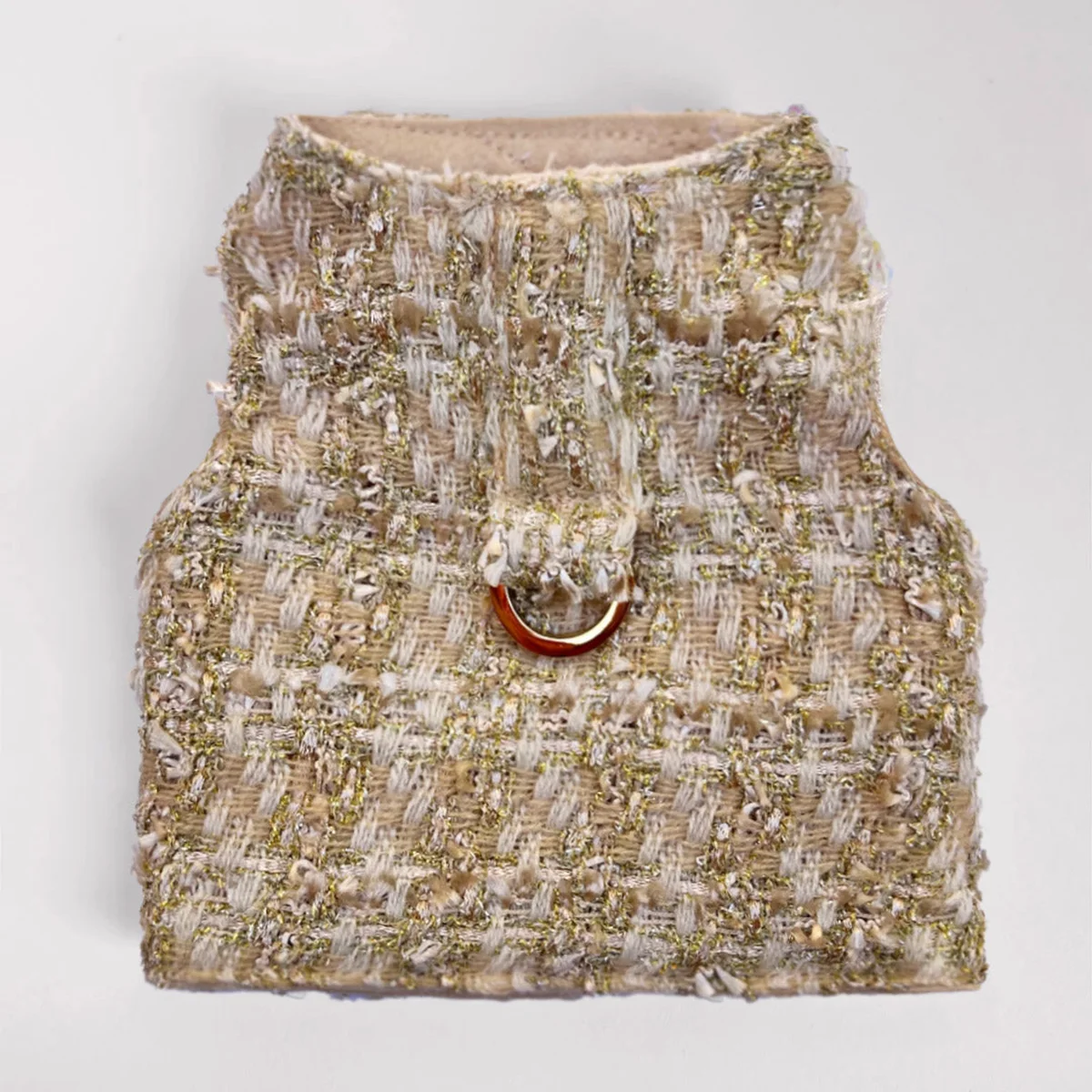
 Made in the USA
 Made in the USA
 Made in the USA