Dog breeds / Bakhmull
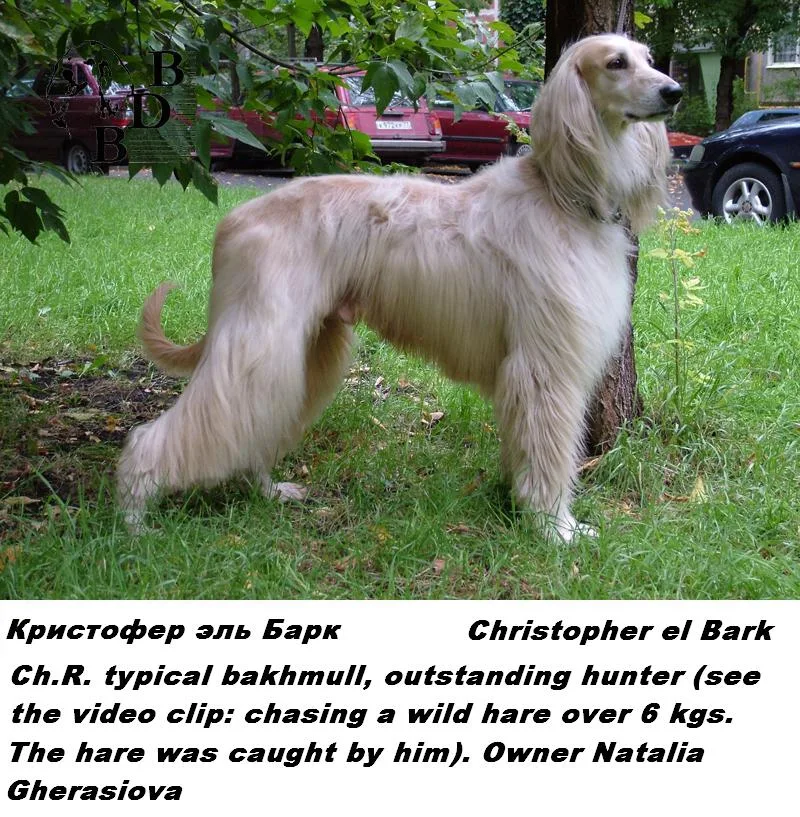
Photo: Radobark · CC BY-SA 3.0 · Wikimedia Commons
Dog breed
Bakhmull
A dog from this origin should be assessed as an individual, since breed records are thin. Temperament, size, and energy can vary widely between lines, so meeting the parents or a reputable breeder's puppies tells you more than a label. Early, gentle socialization with people, children, and other animals usually shapes how comfortable a dog is in a household.
Day to day, expect to commit to regular walks, mental enrichment such as sniffing and training games, and consistent routines. Ask a breeder or rescue for the dog's history, vaccination records, and any known health screening before bringing one home.
Good for: Owners willing to research the individual dog's background
| Origin | Afghanistan, Russia |
Living with a Bakhmull
Exercise
Plan for daily walks and play suited to the dog's size and age. Ask the breeder or vet for a level appropriate to your individual dog.
Grooming
Coat type and shedding depend on the individual dog. Brushing schedules and bathing needs should be confirmed with the breeder or a groomer who has seen the dog.
Health
Because the breed is not well documented, ask a vet which conditions to screen for in your specific dog, and ask the breeder for health testing records.
Questions owners ask
Does a Bakhmull shed a lot?
Shedding depends on the individual dog's coat. Ask the breeder about the parents' coats, and plan for regular brushing either way.
Can a Bakhmull live in an apartment?
Many dogs adapt to apartments with enough daily walks and mental activity. Assess the individual dog's energy and noise level before deciding.
Is a Bakhmull good with kids?
Temperament with children depends on the individual dog and its early socialization. Supervise interactions and ask the breeder or rescue about the dog's history with kids.
Good picks for a Bakhmull