Dog breeds / Belgian Mastiff
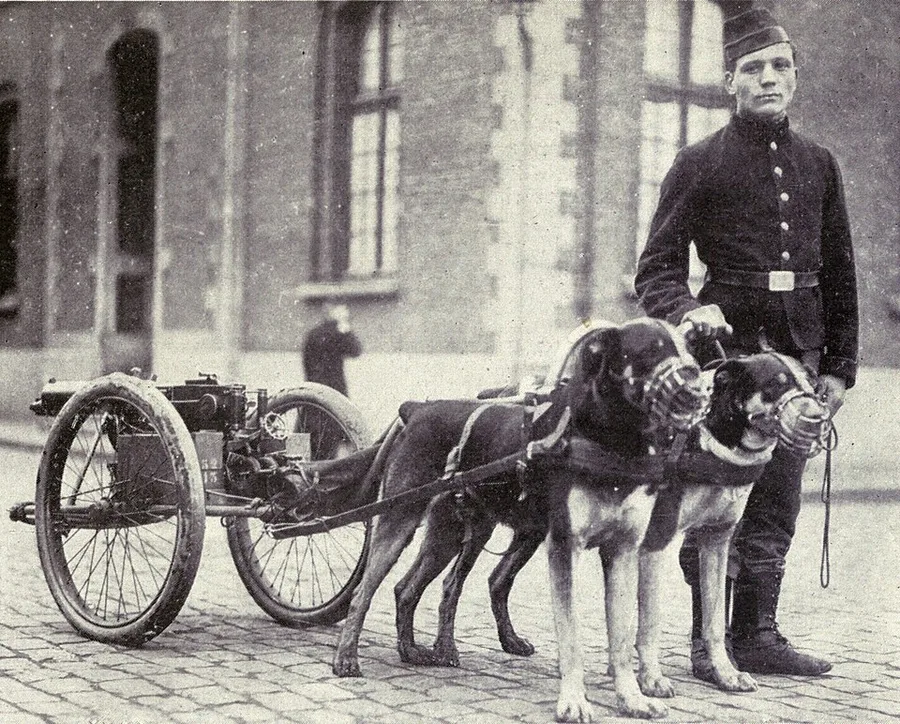
Photo: W. E. Mason · Public domain · Wikimedia Commons
Dog breed
Belgian Mastiff
The Belgian Mastiff is a large, gentle companion that tends to be steady and affectionate with the people it knows well. Most are patient with children and calm around other dogs when properly socialized, though their size means they need supervision with toddlers. They are often more content as a household member than as a guard dog, and they usually settle into quiet rooms more easily than their bulk suggests.
Day to day, this breed needs daily walks and time indoors with its people, since it does not thrive when left alone for long stretches. Its size makes weight management important, and joint-friendly routines help. Early training and consistent socialization make a big difference in how it handles strangers and new places.
Good for: Calm households with space and experienced owners
| Origin | Belgium |
Living with a Belgian Mastiff
Exercise
Daily walks of about 30 to 60 minutes at a relaxed pace, plus time to sniff and explore. Avoid heavy running or jumping while the dog is growing.
Grooming
Short coat that sheds year-round, with heavier seasonal shedding. Weekly brushing usually keeps it manageable, with baths only as needed.
Health
Large breeds like this can be prone to joint problems, bloat, and heart conditions. Ask a veterinarian about screening and what to watch for in your dog.
Questions owners ask
How much does a Belgian Mastiff shed?
They shed year-round, with heavier shedding in spring and fall. Weekly brushing and a vacuum routine help keep loose hair under control at home.
Can a Belgian Mastiff live in an apartment?
It can, if it gets daily walks and time with its people. Its size and weight mean a house with a yard can be easier, but a calm home works.
Do Belgian Mastiffs bark a lot?
They are generally not excessive barkers, but they will alert you to visitors or unusual noises. Training and socialization help control barking habits.
Good picks for a Belgian Mastiff