Dog breeds / Bullmastiff
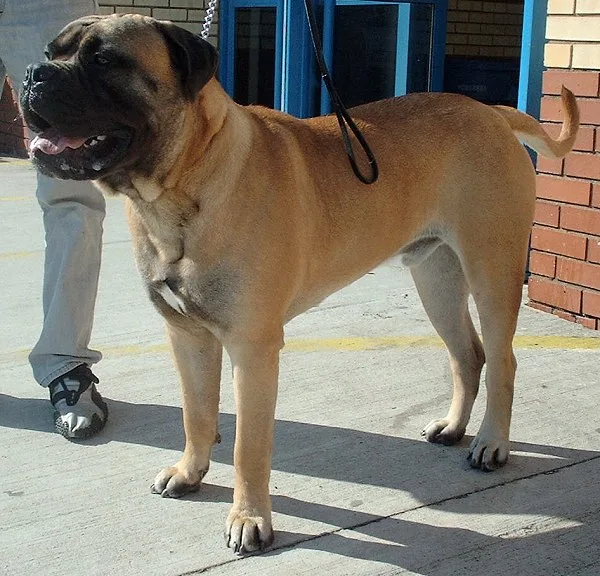
Photo: Unknown · CC BY-SA 3.0 · Wikimedia Commons
Dog breed
Bullmastiff
The Bullmastiff is a calm, steady, and affectionate guardian. Bred to keep watch over estates, it is naturally reserved with strangers but devoted to its family, often happiest lying close by. With children it is patient and gentle when raised with them, though its size means supervision with toddlers is wise. It usually gets along with other dogs it has been introduced to well, and it tends to be less interested in chasing small animals.
Day to day, a Bullmastiff needs moderate exercise rather than long runs, and it does best with short walks and room to move around. Because it is a giant breed, keeping it at a healthy weight and avoiding hard exercise while it is still growing both matter. Early and consistent training and socialization help it stay confident and well mannered. It also appreciates regular indoor company and does not handle being left alone for long periods well.
Good for: Calm homes with space and experienced, committed owners
| Size | giant |
| Weight | 90–130 lb |
| Height | 24–27 in |
| Exercise | about 60 min a day |
| Shedding | moderate |
| Origin | United Kingdom |
Its size and guarding instincts mean early training and socialization are essential, so plan on a structured puppy class.
Living with a Bullmastiff
Exercise
Two moderate walks a day, around 30 to 60 minutes total, plus time to relax. Avoid intense running or jumping, especially while the dog is young.
Grooming
Its short, dense coat needs weekly brushing to manage shedding. Bathe only as needed, and keep the facial wrinkles clean and dry.
Health
Bullmastiffs can be prone to hip and elbow dysplasia, certain eye conditions, and bloat. Ask your vet about screening and preventive care, and about what to watch for.
- Hip dysplasia
- Bloat (gastric dilatation-volvulus)
- Elbow dysplasia
Known tendencies, not a diagnosis: ask your vet about this breed.
Questions owners ask
Do Bullmastiffs shed a lot?
They shed a moderate amount year-round, with heavier shedding in spring and fall. Weekly brushing and a rubber grooming mitt help keep loose hair under control.
Can a Bullmastiff live in an apartment?
It can, as long as it gets daily walks and time indoors with its family. Its size and low need for intense exercise make it workable, but it needs room to lie down comfortably.
Do Bullmastiffs bark a lot?
They are not typically excessive barkers, but they will alert you to strangers or unusual sounds. Training helps them learn when a bark is needed and when to settle.
Good picks for a Bullmastiff
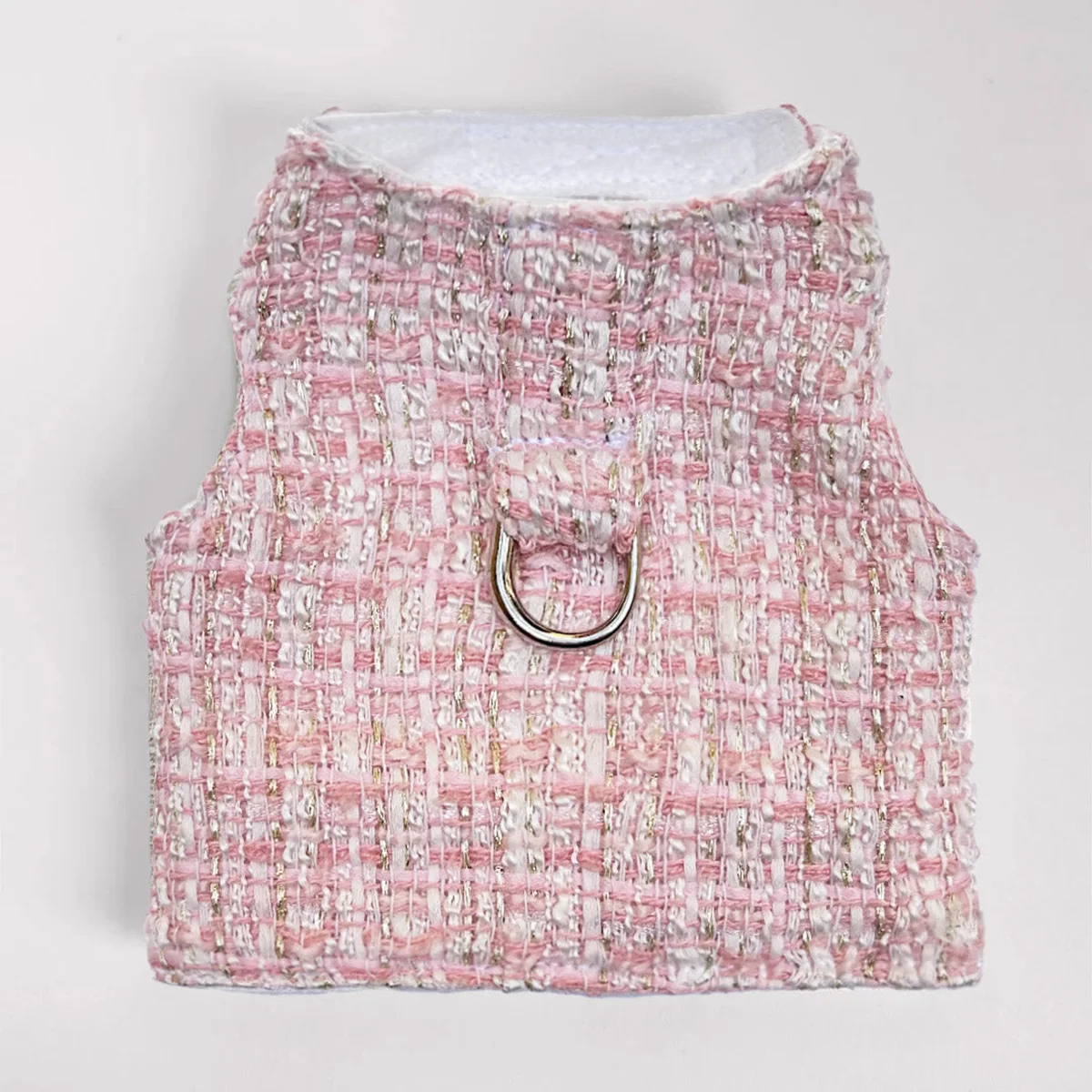 Made in the USA
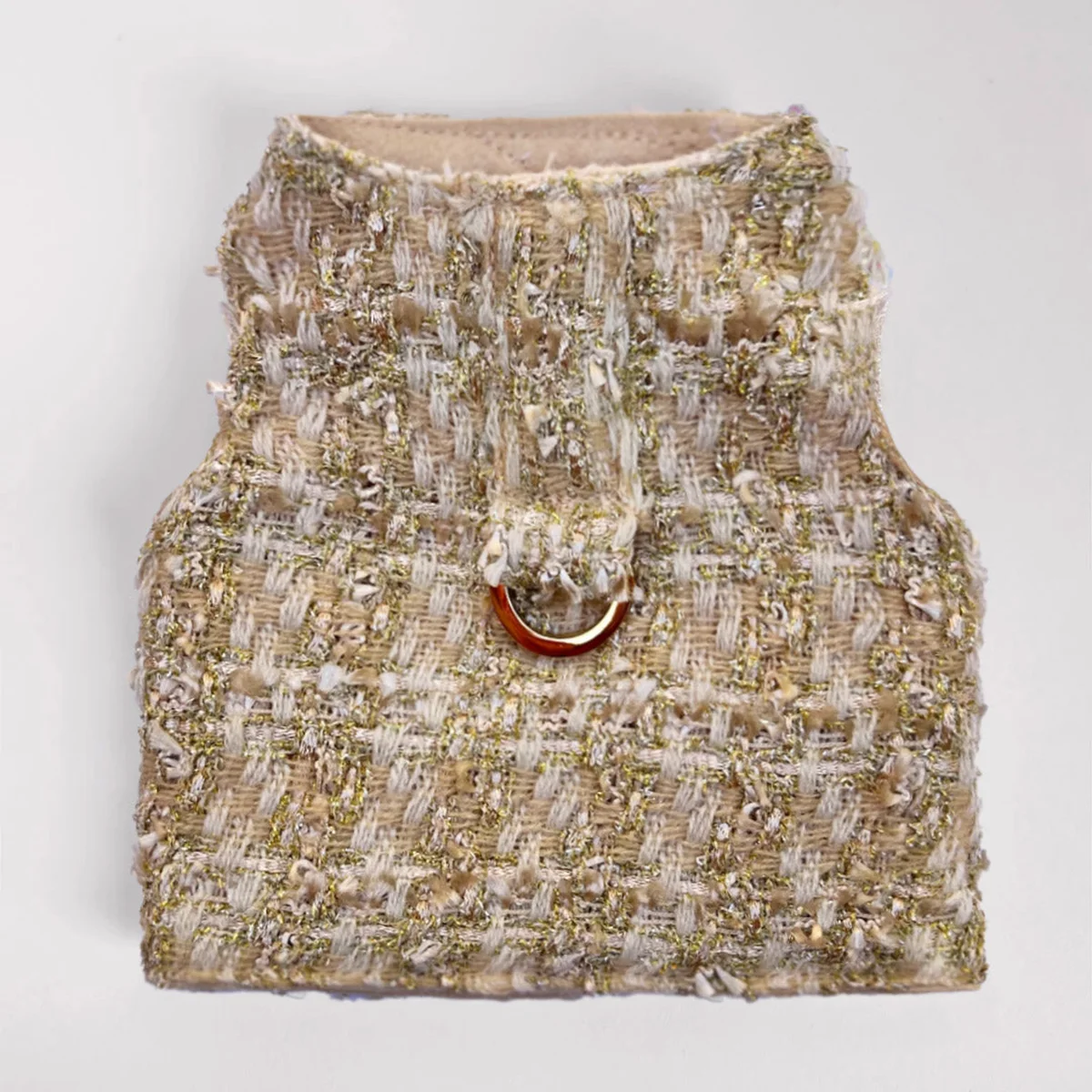
 Made in the USA
 Made in the USA
 Made in the USA