
Dog breeds / Cavoodle
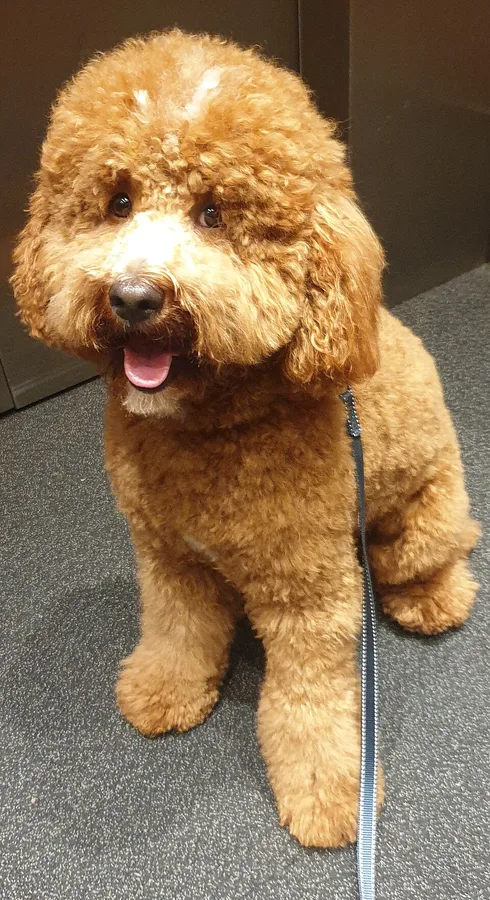
Photo: Minisini · CC BY-SA 4.0 · Wikimedia Commons
Dog breed
Cavoodle
The Cavoodle is a cross between the Cavalier King Charles Spaniel and the Poodle, most often the toy or miniature Poodle. The mix was developed in Australia in the late 1990s, with breeders aiming for a small, affectionate companion dog with a low-shedding coat. It was bred to be a lap companion and house dog rather than a working animal.
Cavoodles are usually gentle, eager to please and happy to follow their people from room to room. Most have a soft, bouncy energy: they enjoy a walk and a game, then are content to nap on the sofa. Many are fairly quiet but may bark at the doorbell, and they tend to be sensitive to tone and to being left out of the action.
Day to day, a Cavoodle needs regular brushing to keep its coat from matting, short daily walks, and time indoors with its family. Its size and mix of coat types mean grooming is a real commitment, not an occasional task. Dental care and regular check-ups with a vet are also part of the routine.
Good for: Families, first-time owners and apartment dwellers who want a small companion
| Size | small |
| Weight | 11–22 lb |
| Height | 10–15 in |
| Life span | 12–15 years |
| Exercise | about 45 min a day |
| Shedding | low |
| Origin | Australia |
Cavoodles need regular grooming and company, so check you can meet both before choosing one.
Living with a Cavoodle
Exercise
Most adult Cavoodles need about 30 to 60 minutes of exercise a day, split into walks and play. Gentle walks, short games of fetch and puzzle toys all suit them well. Too little activity can lead to boredom, excess barking and weight gain.
Grooming
The coat is usually soft and wavy or curly and sheds very little, but it can mat easily. Brush several times a week and bathe every few weeks. Trim nails regularly and check and clean the ears often, as floppy ears can trap moisture.
At home
Cavoodles are generally good with children who are gentle and respectful, though their small size means very young kids should be supervised. They usually get along well with other dogs and with cats they are raised with. They adapt well to apartments as long as they get daily walks. In a house with a yard they are happy, but they do not need one. Many dislike being left alone for long stretches and can develop separation anxiety without company or enrichment.
Training
Cavoodles are intelligent and generally learn quickly using reward-based methods such as treats, praise and play. Short, upbeat sessions work better than long drills. Early socialisation with people, places and other animals helps prevent timidity or over-sensitivity. Expect some stubbornness, especially around recall, and a sensitivity to harsh correction. Consistency and patience pay off.
Health
Cavoodles can be prone to conditions inherited from either parent breed, including patellar luxation, heart murmurs such as mitral valve disease, and eye problems. Ask a vet or breeder about health testing of the parents before you buy. Your vet can advise on screening and care.
- Patellar luxation
- Mitral valve disease
- Progressive retinal atrophy
Known tendencies, not a diagnosis: ask your vet about this breed.
The numbers for a Cavoodle
Feeding, adult
1.25–1.75 cups a day
About 508 kcal, roughly 10 lb of dry food a month at 11–22 lb. Start here and adjust to the bag and your vet. Portion calculator →
What a year costs
$1,250–$2,200
Food about $374, plus routine vet care, parasite preventives and gear. US averages; insurance and emergencies on top.
Weather
Watch above 75°F, stop at 85°F
Coat or short walks below 40°F. Small dogs lose heat fast: a coat below about 40°F, and keep walks short in the cold.
Where a Cavoodle is comfortable
Easy most of the year: California, Oregon, Washington.
Summer needs care (early walks, shade, AC): Alabama, Arizona, Florida, Georgia, Hawaii, Louisiana, Mississippi, Nevada, South Carolina, Texas.
Winter needs care (coat, short walks): Alaska, Connecticut, Delaware, Illinois, Indiana, Iowa, Kentucky, Maine, Massachusetts, Michigan, Minnesota, Montana, New Hampshire, New Jersey, New York, North Dakota, Ohio, Pennsylvania, Rhode Island, South Dakota, Vermont, West Virginia, Wisconsin, Wyoming.
Both seasons need care: Arkansas, Colorado, Idaho, Kansas, Maryland, Missouri, Nebraska, New Mexico, North Carolina, Oklahoma, Tennessee, Utah, Virginia, Washington, DC.
From typical July highs and January lows by state and this breed's heat and cold limits. Indoor life changes everything; this is about walks and time outside.
Right now
Latest dog food recalls
Fromm: Fromm wet canned dog food
Fromm Family Foods LLC · Aug 21 · Potential metal contamination
Oma’s Pride: Canine Food
Miller Foods, Inc. · Aug 17 · Contaminated with Salmonella
Pedigree: High Protein Chopped Chicken & Duck Flavor Wet Dog Food
Mars Petcare US, Inc. · Jul 2 · Potential foreign plastic contamination
Is a Cavoodle right for you?
- Yes if you want a close companion who follows you around
- Yes if you have a low-shedding preference
- Think twice if you are often out of the house all day
- Think twice if you cannot commit to regular grooming
- Yes if you have gentle children or a quiet home
Questions owners ask
Do Cavoodles shed?
Most shed very little, which is one reason people choose them. Some shed more, depending on their coat type. Regular brushing keeps loose hair under control and prevents matting.
Are Cavoodles good in apartments?
Yes, they usually settle well in apartments if they get daily walks and mental stimulation. Their small size suits smaller homes.
Do Cavoodles bark a lot?
They can bark at visitors or when bored, but are not usually excessive barkers. Training and enough activity help reduce barking.
How much exercise do Cavoodles need?
Around 30 to 60 minutes a day is typical, including walks and play. They need more company than they need intense exercise.
How long do Cavoodles live?
Most live around 12 to 15 years, though lifespan depends on health, care and genetics. A vet can advise on what to expect.
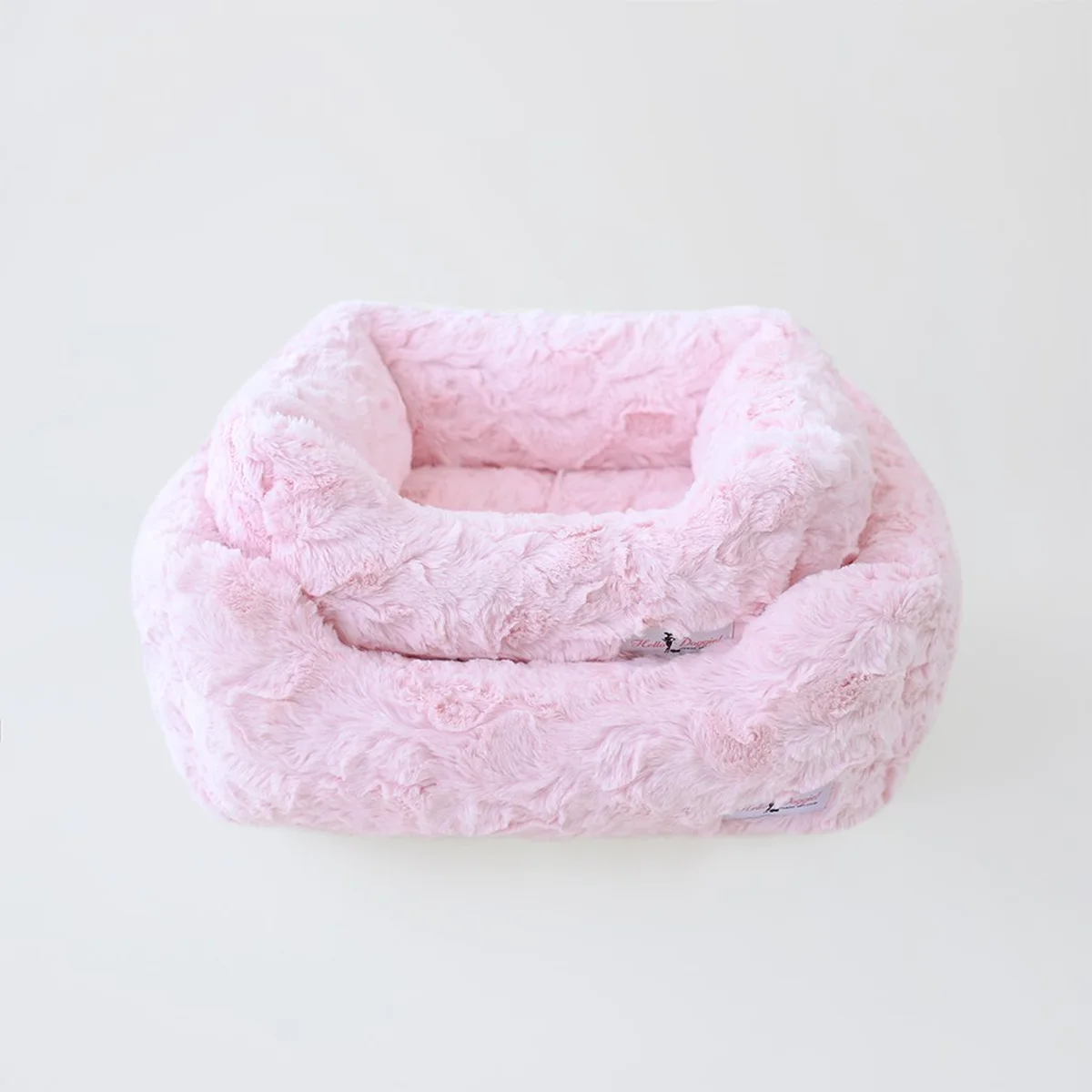
Good picks for a Cavoodle
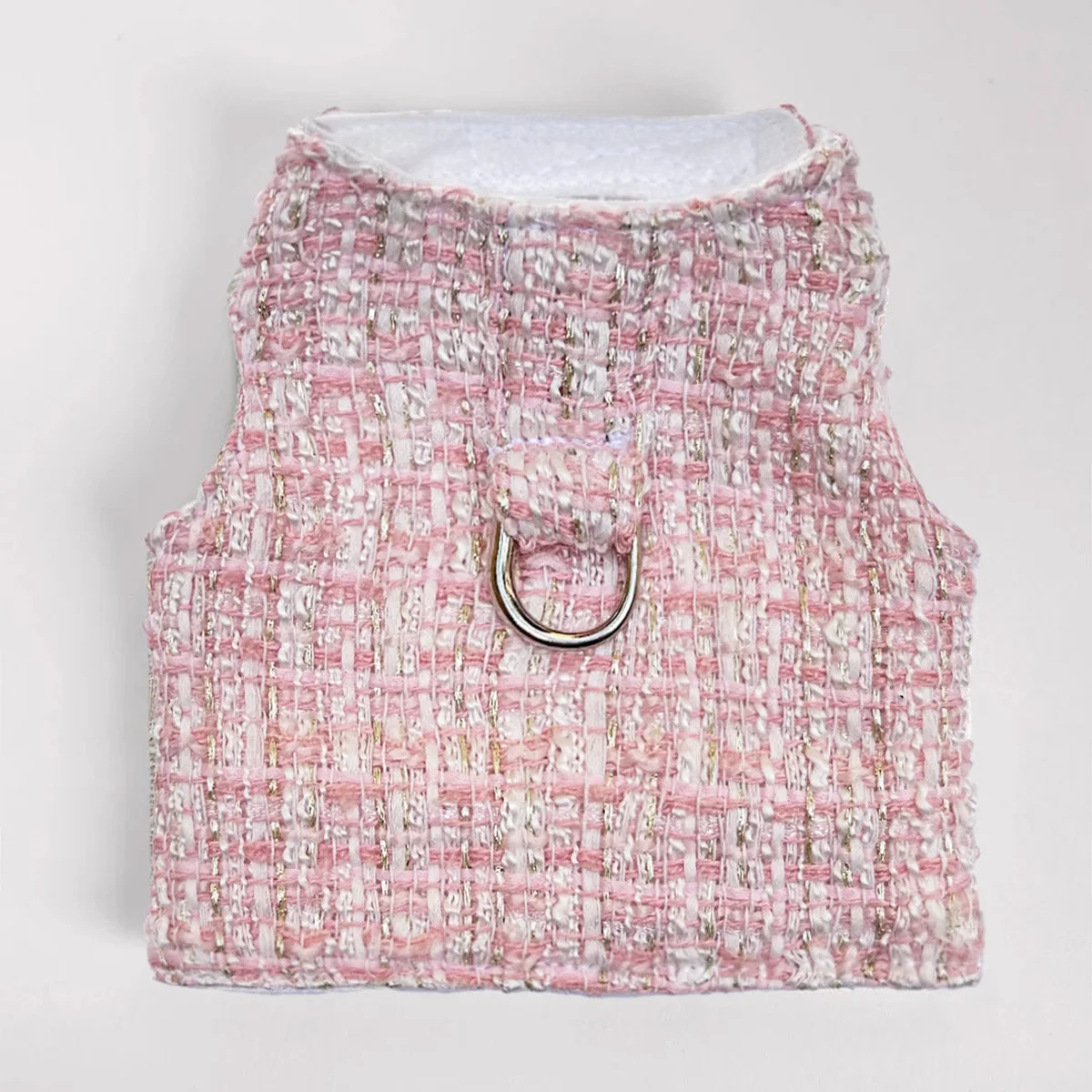 Made in the USA
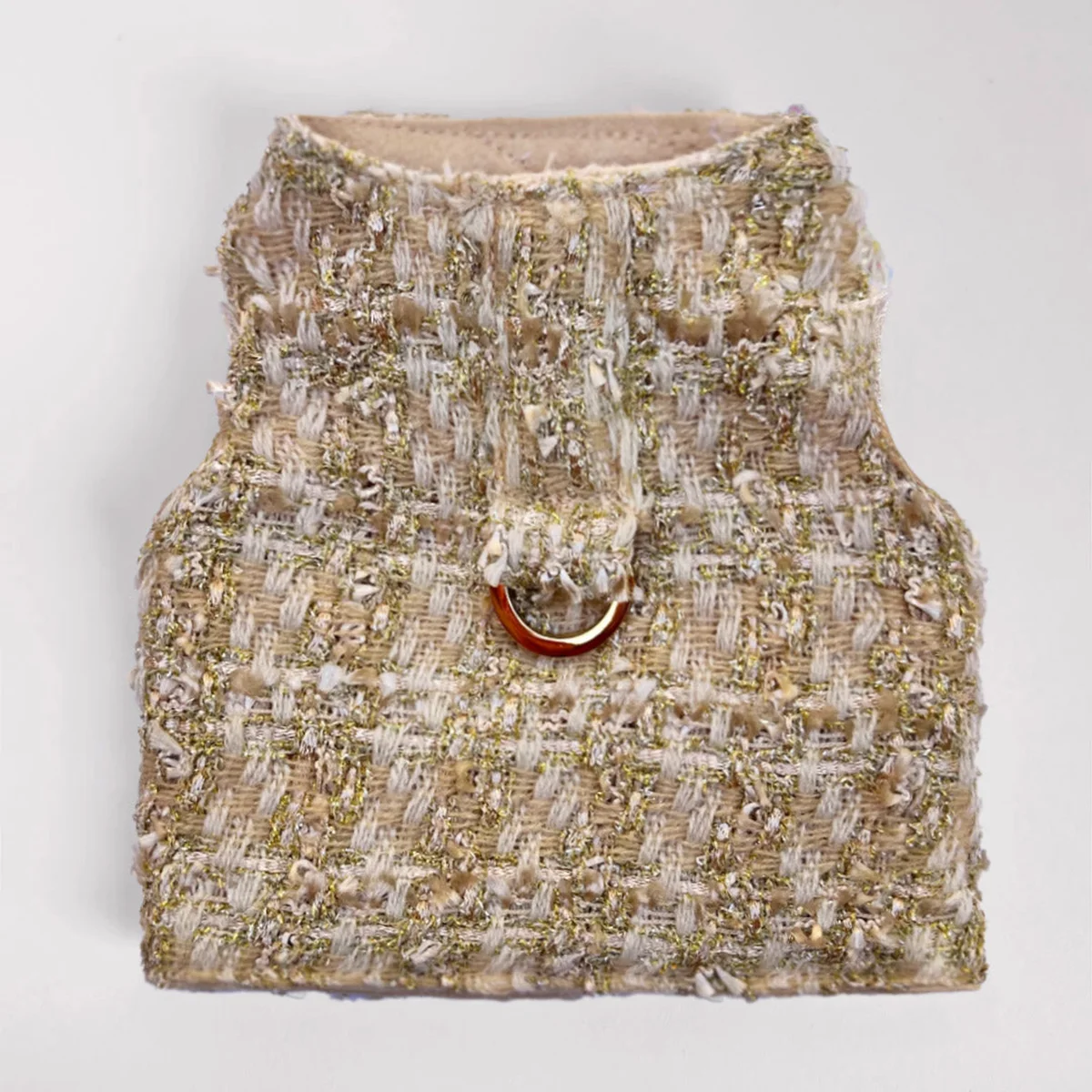
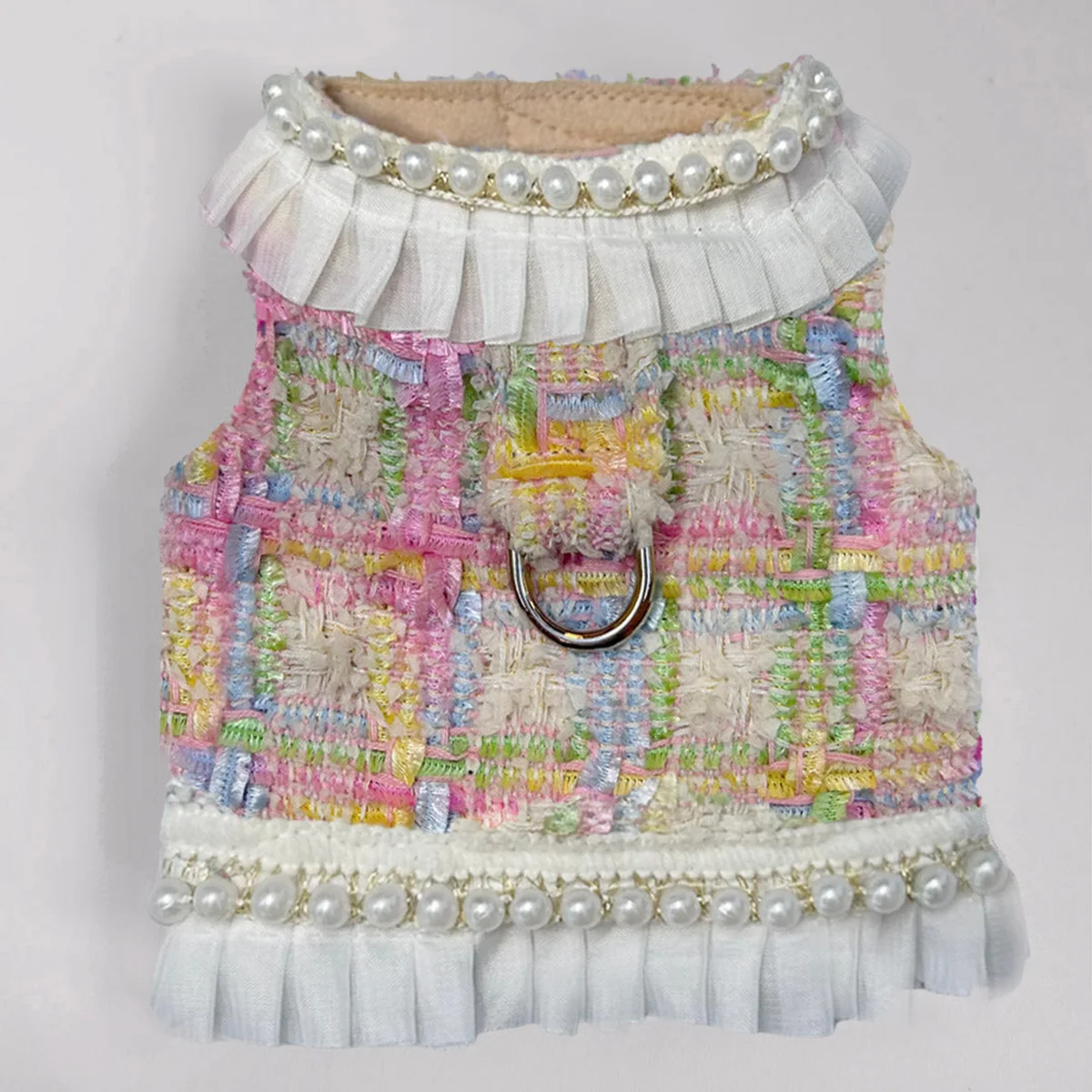 Made in the USA
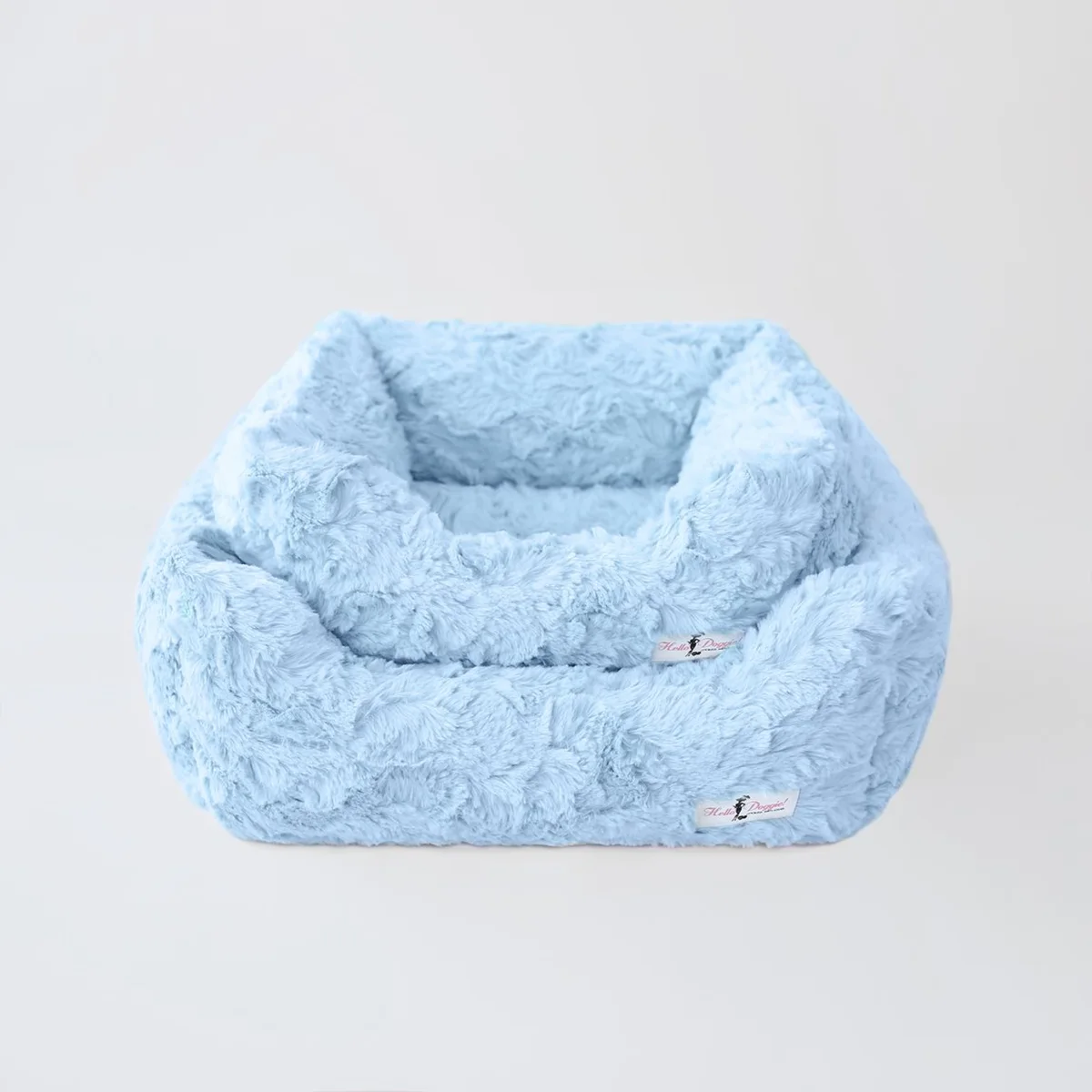 Made in the USA
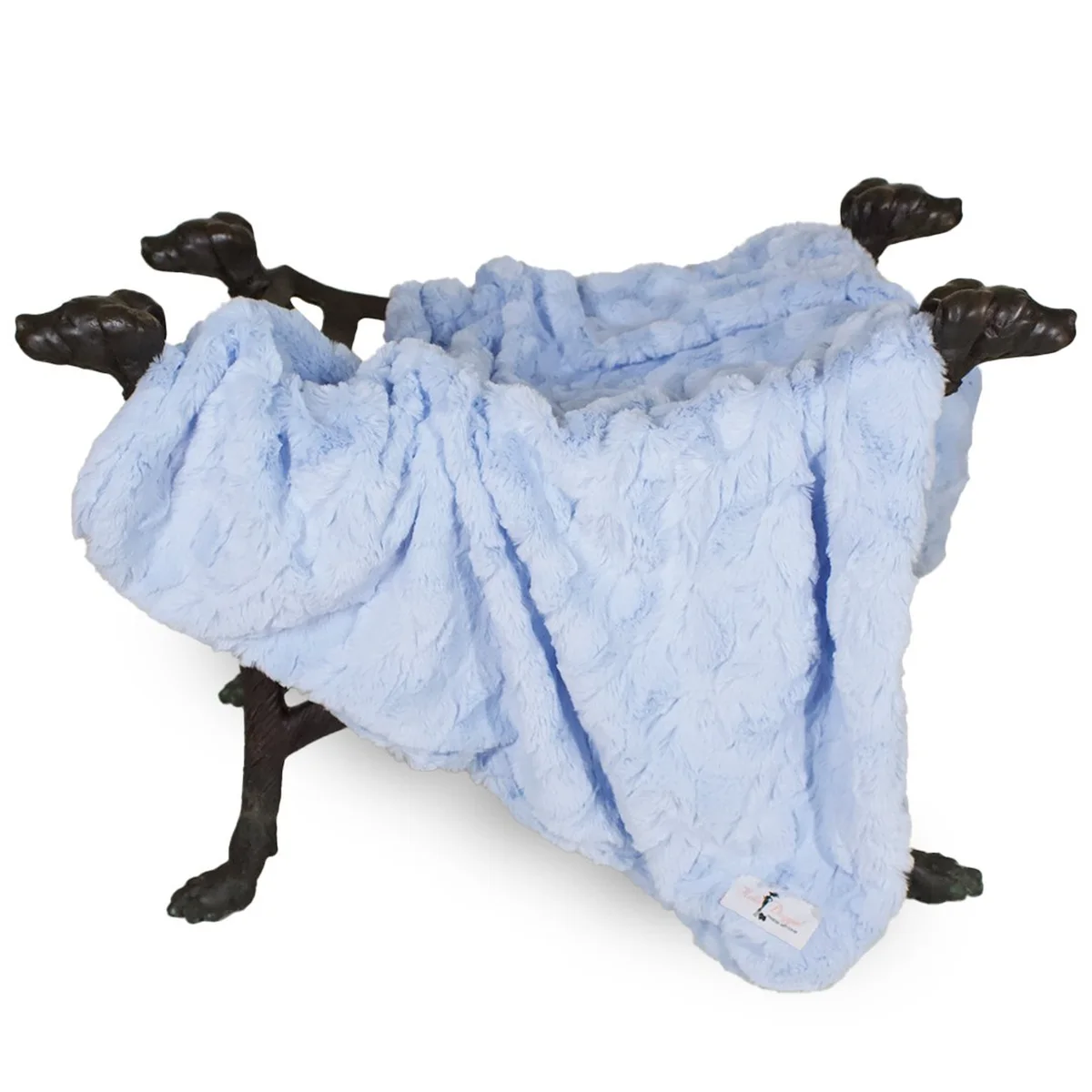 Made in the USA
Written by Pawdeck editors · updated Nov 12, 2026 · facts from Wikidata and Wikimedia Commons; health notes are general veterinary guidance, not a diagnosis.