
Dog breeds / Chiweenie

Photo: WolfSalvation · CC BY-SA 4.0 · Wikimedia Commons
Dog breed
Chiweenie
The Chiweenie is a mixed breed, a cross between the Chihuahua and the Dachshund, and has no formal breed standard. Both parents were bred as companions and, in the Dachshund's case, as a badger and hunting dog, so the cross tends to keep a companion's size with a terrier-like independence and a love of digging.
Day to day, a Chiweenie is usually affectionate and attached to one or two people, sometimes wary of strangers. Many are alert and vocal, and they will bark at sounds at the door. Energy varies a lot between individuals, from a lap dog to a small, busy explorer, so it helps to meet the specific dog's parents or temperament first.
They need a short walk or two, some play, and a safe way to burn off energy indoors. Their spine and legs need some care: avoid long jumps off furniture and keep weight in check. Short coats need only light brushing, while longer coats need more regular combing.
Good for: Adults or families who want a small, affectionate companion
| Size | small |
| Weight | 9–20 lb |
| Height | 6–10 in |
| Life span | 12–16 years |
| Exercise | about 40 min a day |
| Shedding | moderate |
Chiweenies can have a strong back and stubborn streak, so choose a breeder who health-tests and expect some patient, consistent training.
Living with a Chiweenie
Exercise
A healthy adult usually needs two short walks a day plus some indoor play, roughly 30 to 45 minutes in total. Short, varied outings and games that use their nose suit them best. If they get too little exercise they can become restless, bark more and dig or chew to release energy.
Grooming
Coat varies: smooth, longhaired or wiry, so check the individual dog. Smooth coats need only a weekly brush, while longer coats need brushing a few times a week. Bathe only when needed, trim nails every few weeks, and check and clean the ears regularly, since floppy ears can trap moisture.
At home
Chiweenies can do well with considerate children who handle them gently, but their small size means they are easily hurt by rough play. With other dogs and cats they are often fine once introduced slowly, though the Dachshund side can carry a strong prey drive. They suit apartments well because they are small and not especially demanding indoors. A house with a secure yard suits them, provided the fence stops digging. Most cope poorly with long periods alone, so they are better in homes where someone is around for much of the day.
Training
Chiweenies learn quickly with reward-based training, using treats, praise and short sessions of five to ten minutes. Start socialising early, exposing them to people, sounds and other animals while they are young. Expect a stubborn streak, since they often want to know what is in it for them. They can also be sensitive to harsh correction and may shut down. Recall is often unreliable off-leash because of their strong scenting instinct, so a secure harness and lead are wise.
Health
Chiweenies can be prone to dental problems, patellar luxation and back problems inherited from the Dachshund side, as well as obesity given their small size. Ask a vet about screening and preventive care for your particular dog, especially from a breeder who tests for disease.
- Intervertebral disc disease
- Patellar luxation
- Dental disease
Known tendencies, not a diagnosis: ask your vet about this breed.
The numbers for a Chiweenie
Feeding, adult
1–1.5 cups a day
About 456 kcal, roughly 9 lb of dry food a month at 9–20 lb. Start here and adjust to the bag and your vet. Portion calculator →
What a year costs
$1,250–$2,150
Food about $335, plus routine vet care, parasite preventives and gear. US averages; insurance and emergencies on top.
Weather
Watch above 75°F, stop at 85°F
Coat or short walks below 40°F. Small dogs lose heat fast: a coat below about 40°F, and keep walks short in the cold.
Where a Chiweenie is comfortable
Easy most of the year: California, Oregon, Washington.
Summer needs care (early walks, shade, AC): Alabama, Arizona, Florida, Georgia, Hawaii, Louisiana, Mississippi, Nevada, South Carolina, Texas.
Winter needs care (coat, short walks): Alaska, Connecticut, Delaware, Illinois, Indiana, Iowa, Kentucky, Maine, Massachusetts, Michigan, Minnesota, Montana, New Hampshire, New Jersey, New York, North Dakota, Ohio, Pennsylvania, Rhode Island, South Dakota, Vermont, West Virginia, Wisconsin, Wyoming.
Both seasons need care: Arkansas, Colorado, Idaho, Kansas, Maryland, Missouri, Nebraska, New Mexico, North Carolina, Oklahoma, Tennessee, Utah, Virginia, Washington, DC.
From typical July highs and January lows by state and this breed's heat and cold limits. Indoor life changes everything; this is about walks and time outside.
Right now
Latest dog food recalls
Fromm: Fromm wet canned dog food
Fromm Family Foods LLC · Aug 21 · Potential metal contamination
Oma’s Pride: Canine Food
Miller Foods, Inc. · Aug 17 · Contaminated with Salmonella
Pedigree: High Protein Chopped Chicken & Duck Flavor Wet Dog Food
Mars Petcare US, Inc. · Jul 2 · Potential foreign plastic contamination
Is a Chiweenie right for you?
- Yes if you want a small dog that fits well in an apartment
- Yes if you enjoy daily walks and nose games
- Yes if you are home for much of the day
- Think twice if you need a dog that is calm with strangers
- Think twice if you have toddlers who play roughly
Questions owners ask
Do Chiweenies shed?
Yes, most shed moderately, and longhaired ones shed more. Weekly brushing helps keep loose hair under control around the home.
Can a Chiweenie live in an apartment?
Yes, they are small and adapt well to apartments. They still need daily walks and play, and they do best when not left alone for long.
Do Chiweenies bark a lot?
Many are alert and will bark at visitors and noises. Early training and enough stimulation can reduce excessive barking.
Are Chiweenies good with kids?
They can be good with gentle, older children who respect their size. Small dogs are easily hurt, so supervise play closely with young kids.
How long does a Chiweenie live?
Typically around 12 to 16 years. Healthy weight, dental care and regular vet checks help them reach that range.
Good picks for a Chiweenie
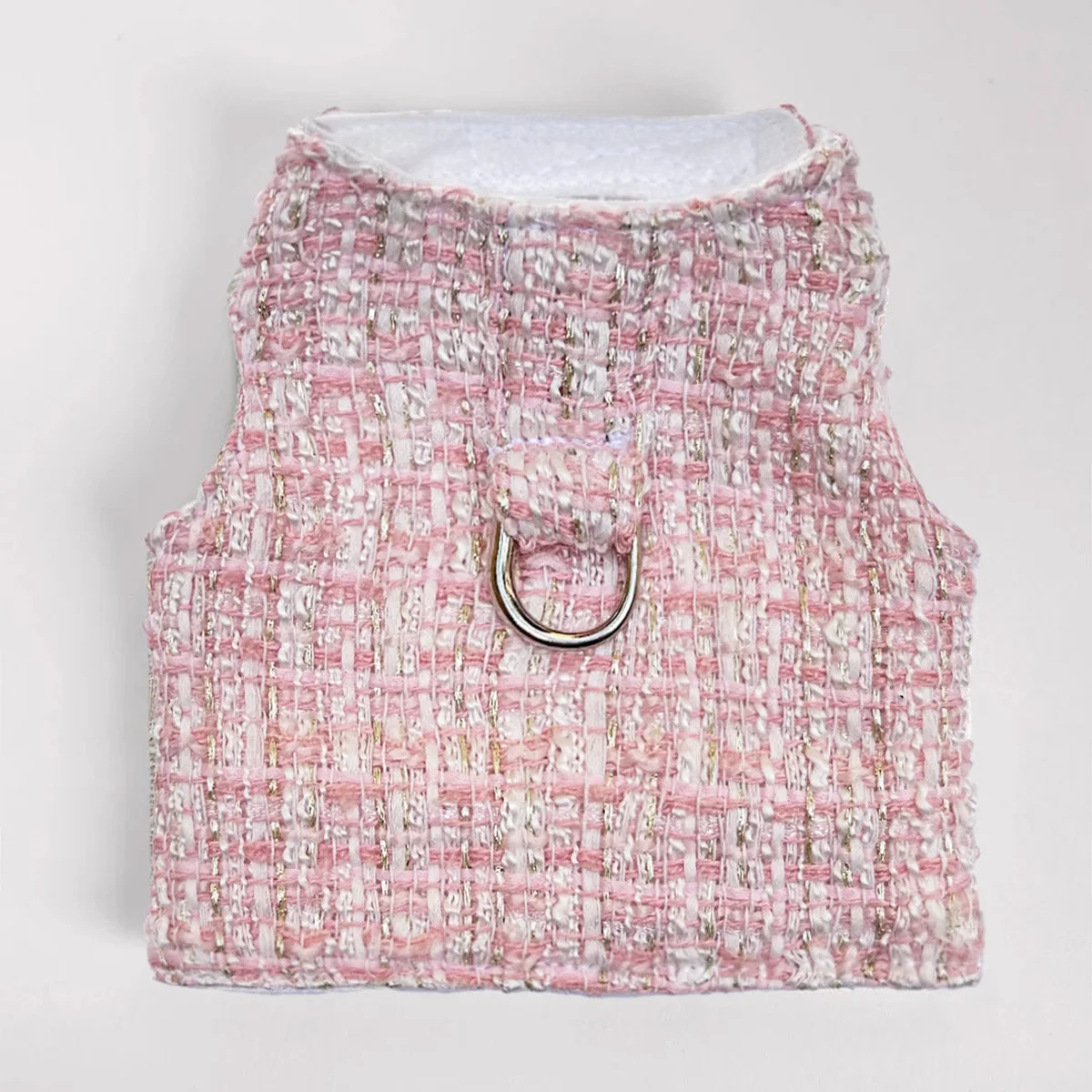 Made in the USA
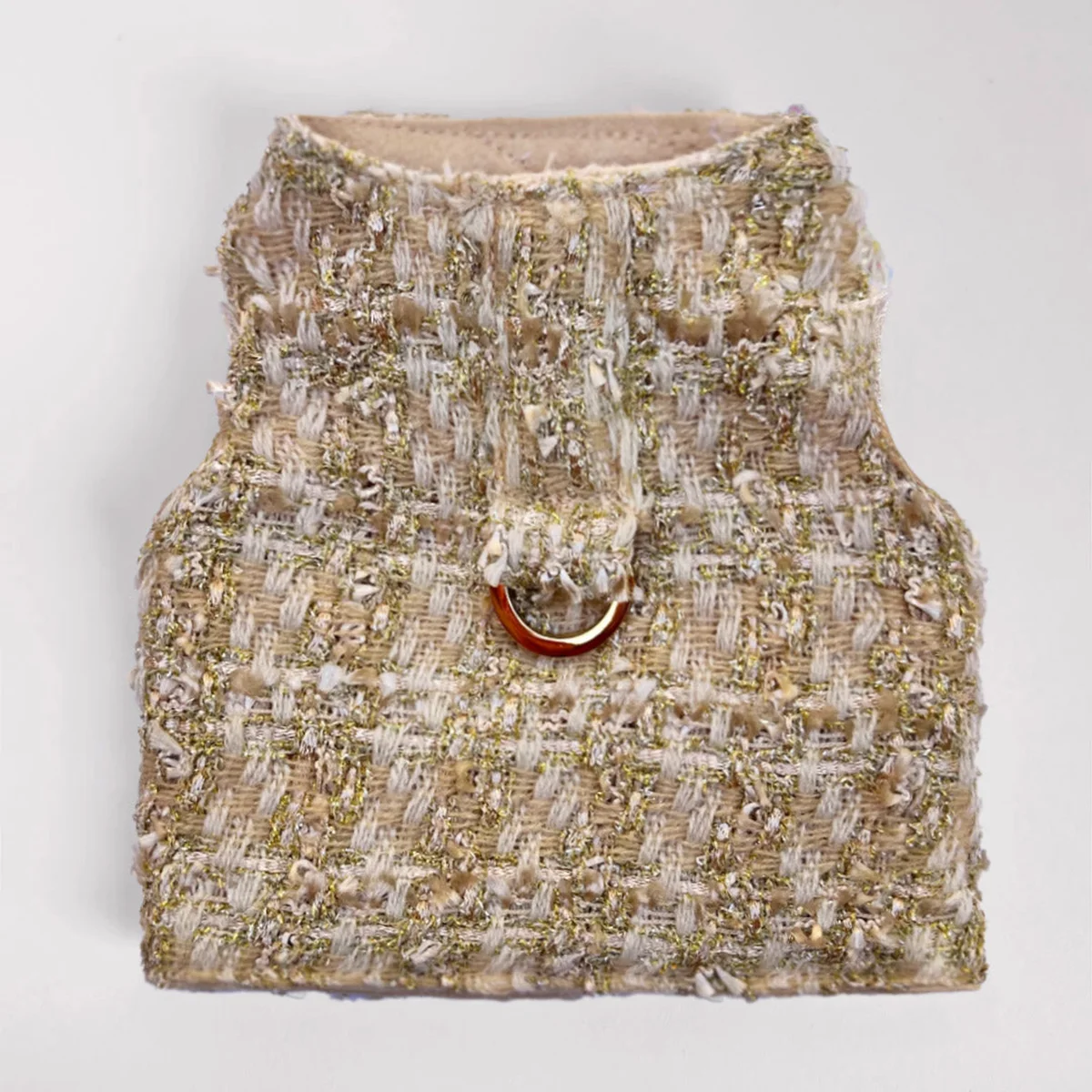
 Made in the USA
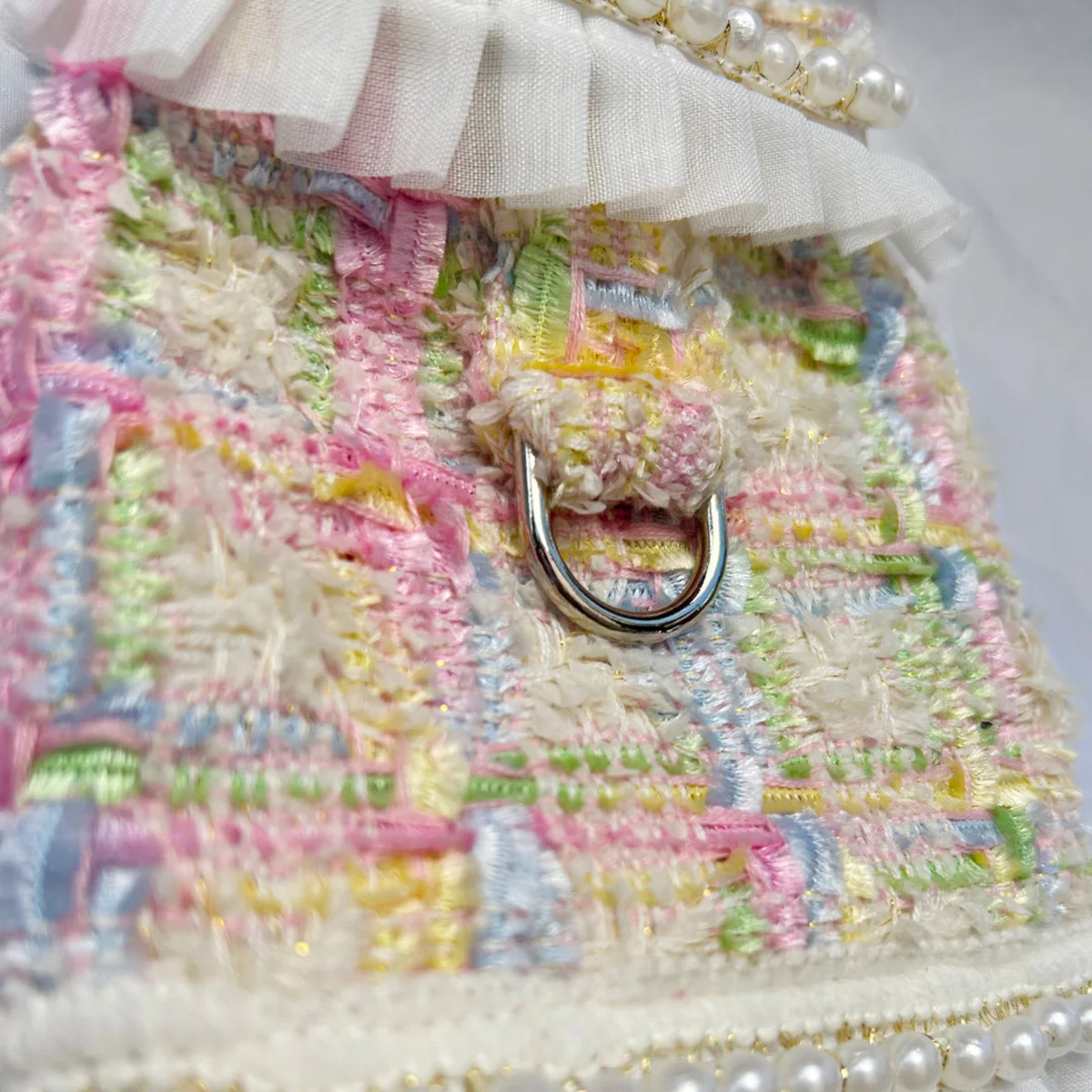
 Made in the USA

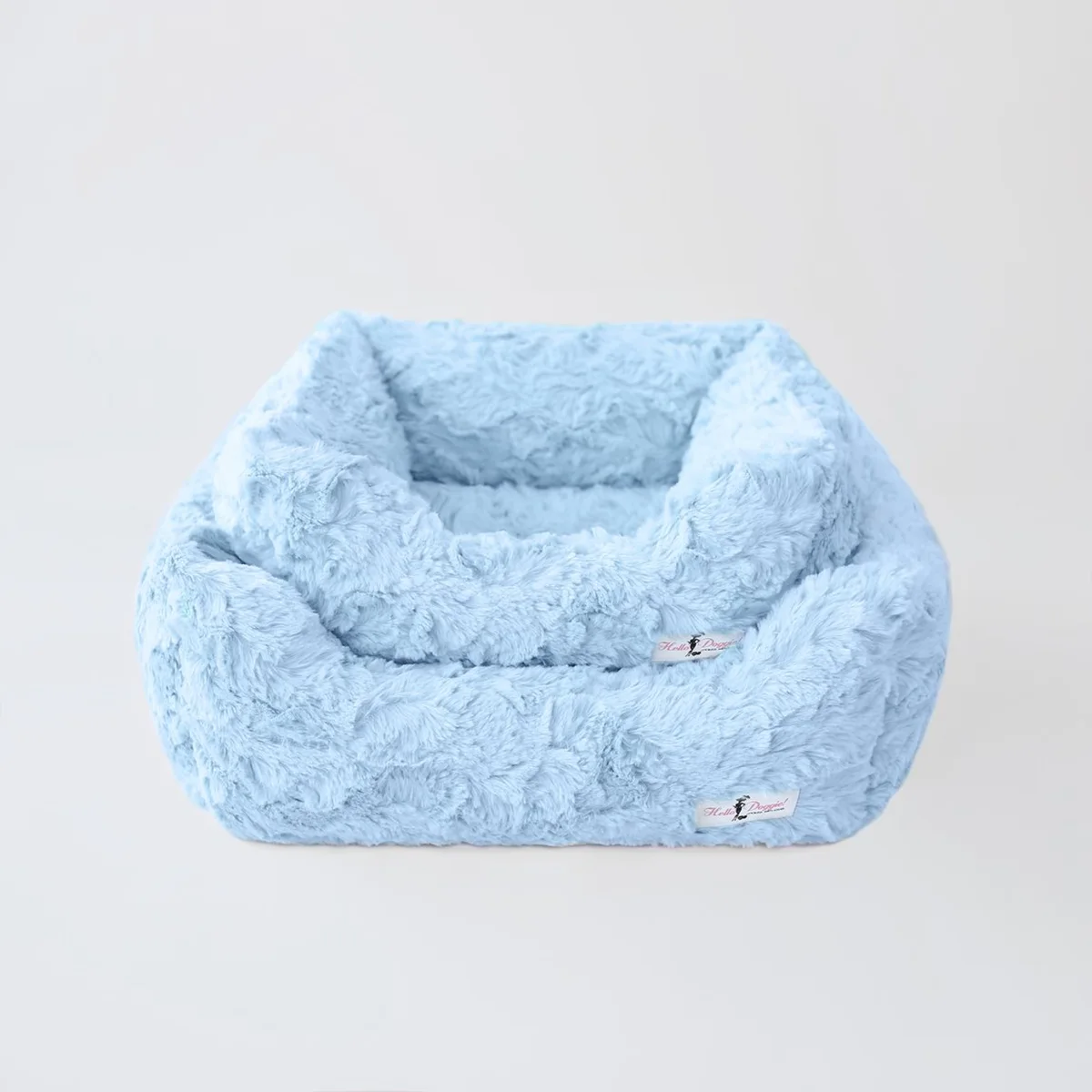
 Made in the USA
Written by Pawdeck editors · updated Nov 12, 2026 · facts from Wikidata and Wikimedia Commons; health notes are general veterinary guidance, not a diagnosis.