Dog breeds / dingo
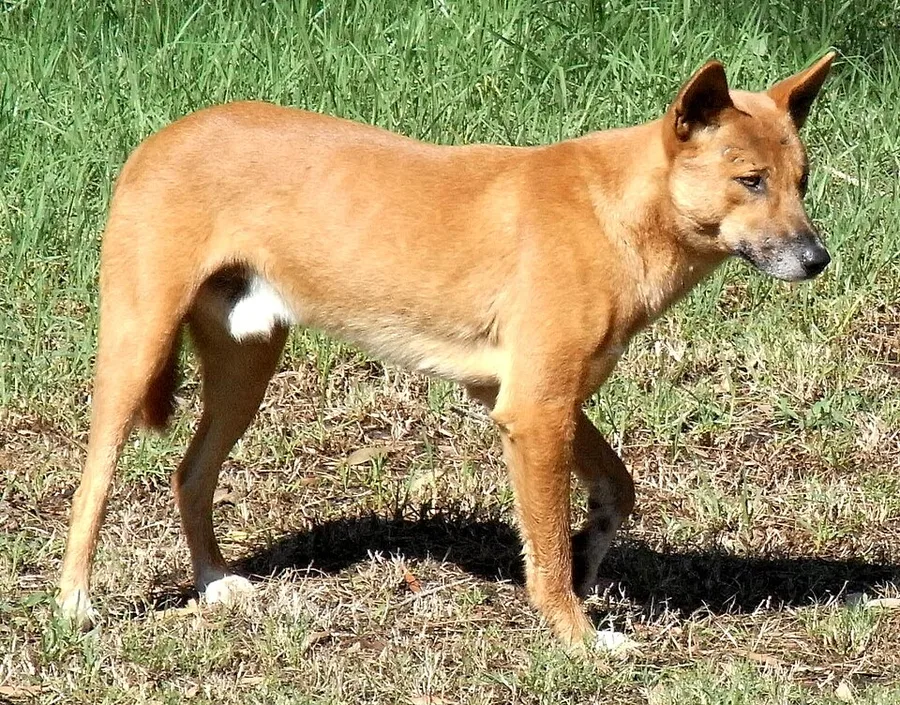
Photo: Quartl · CC BY-SA 3.0 · Wikimedia Commons
Dog breed
dingo
The dingo is an ancient, primitive-type dog that has lived in Australia for thousands of years, and it behaves more like a wild canine than a typical companion breed. Dingoes are independent, watchful, and often wary of strangers, and they tend to bond closely with one or two people rather than the whole household. With children and other pets they are not reliably sociable, and early, careful supervision matters. Many are better suited to experienced owners who understand that a dingo will make its own decisions.
Day to day, a dingo needs secure fencing, since it is a skilled escape artist and has a strong urge to roam and hunt. It needs a lot of mental stimulation, structured training, and space to move. Quiet, consistent routines help it feel settled. Expect to put real work into socialization and recall from the start.
Good for: Experienced owners with secure yards, patience, and time for training
Living with a dingo
Exercise
Dingoes need long daily walks or runs plus mental challenges such as scent work and problem solving. A securely fenced yard is strongly preferred.
Grooming
The short, dense coat sheds seasonally, usually in spring and fall, and needs only occasional brushing. Bathing is rarely needed and can be done as needed.
Health
Dingoes are generally considered hardy, but they can be prone to parasites and skin issues in some settings. Ask a veterinarian who knows the breed about screening, vaccinations, and preventive care.
Questions owners ask
Do dingoes shed a lot?
They shed seasonally, usually twice a year, with a heavier coat change in spring and fall. Brushing a few times a week helps keep loose fur under control.
Can a dingo live in an apartment?
It is generally a poor fit for apartments. Dingoes need significant daily exercise, a secure space to roam, and mental stimulation that small indoor spaces rarely provide.
Are dingoes good with kids?
They are usually not reliable with children and can be wary or reactive. Close supervision and careful early socialization are essential, and many households with young children choose a different breed.
Good picks for a dingo