Dog breeds / Dutch Shepherd
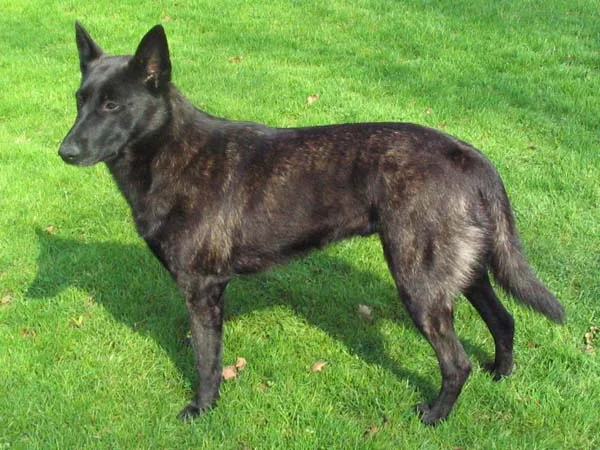
Photo: Teunie at Dutch Wikipedia · CC BY-SA 3.0 · Wikimedia Commons
Dog breed
Dutch Shepherd
The Dutch Shepherd is a working herding dog, alert, intelligent, and quick to learn. Many are steady and affectionate with their own family, though they tend to be watchful with strangers and can be reserved at first. With children they are often patient when raised with them, and with other pets they do best when introduced early. They usually get along with other dogs but may chase small animals.
Day to day, this breed needs real mental work as well as physical activity. Long walks, running, fetch, or dog sports like agility and obedience help keep them settled. Without a job to do, they can become restless and invent their own games, such as digging or herding the household. Consistent training from an early age suits them well.
Good for: Active owners, experienced dog people, homes with a yard
| Origin | Netherlands |
Living with a Dutch Shepherd
Exercise
Plan at least an hour or more of vigorous activity daily, such as running, hiking, or structured training. Mental challenges like scent work or puzzle toys help as much as physical exercise.
Grooming
Dutch Shepherds have a short to medium double coat that sheds moderately, with heavier seasonal shedding. Brush weekly and more often during shedding seasons; bathe only when needed.
Health
Dutch Shepherds are generally considered a healthy working breed, though they can be prone to hip and elbow dysplasia and certain eye conditions. Ask a veterinarian about screening and health testing when choosing a puppy.
Questions owners ask
Do Dutch Shepherds shed a lot?
They shed moderately year-round and more heavily in spring and fall. Weekly brushing, and daily during shedding seasons, keeps loose hair under control.
Can a Dutch Shepherd live in an apartment?
It can work if the dog gets substantial daily exercise and mental stimulation. Without enough activity, their energy often turns into barking, chewing, or restlessness indoors.
Do Dutch Shepherds bark a lot?
They can be vocal and alert, especially toward strangers or noises. Early training helps them learn when barking is appropriate and when to settle down.
Good picks for a Dutch Shepherd