
Dog breeds / Labradoodle
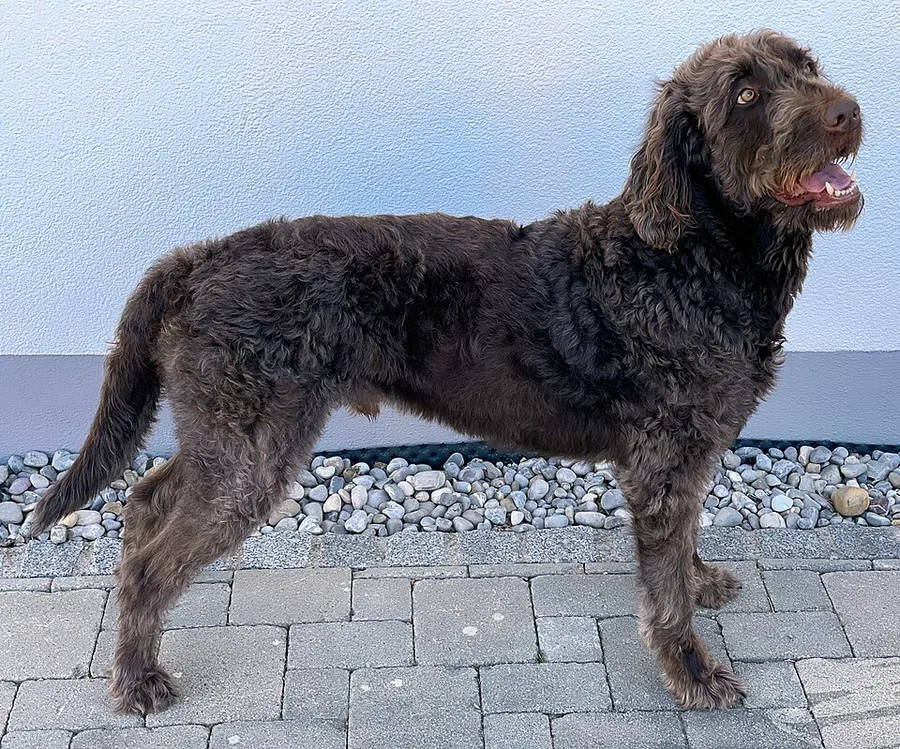
Photo: Anton Porsche · CC BY-SA 4.0 · Wikimedia Commons
Dog breed
Labradoodle
The Labradoodle was first bred in Australia in the late 1980s, crossing a Labrador Retriever with a Standard Poodle. The aim was a companion for people with allergies or with dogs that shed less, and the cross was meant to be a working or service dog with a gentler coat. Breeders have since developed many lines, so appearance and coat vary a good deal from one dog to the next.
Most Labradoodles are friendly, eager to please, and quick to attach to their people. They are usually good-natured with strangers, and many are vocal enough to alert you to a doorbell but not constant barkers. They can be playful well into adulthood and tend to follow their owners from room to room, which some people find charming and others find a bit much.
Day to day, a Labradoodle needs regular walks, a chance to run, and something to think about, such as a sniffing game or a short training session. Their coat needs brushing several times a week to prevent mats, especially in curly-coated dogs. They do best with steady routines and company, and they can get bored or mouthy if left with too little to do.
Good for: Active families, first-time owners who can commit time
| Size | medium |
| Weight | 35–66 lb |
| Height | 17–24 in |
| Life span | 10–15 years |
| Exercise | about 60 min a day |
| Shedding | low |
| Origin | Australia |
Labradoodles need daily exercise, regular coat care, and company, so check you can meet those needs before choosing one.
Living with a Labradoodle
Exercise
Most adult Labradoodles need about an hour of exercise a day, split between walks and active play such as fetch or swimming. Mental work like training or scent games counts too. Without enough activity they can become restless, bark more, and chew or dig out of boredom.
Grooming
Coat type varies: some have loose waves, others tight curls, and a few are close to straight. Low-shedding coats still need brushing two to three times a week to prevent mats, and a professional trim every six to eight weeks is common. Bathe as needed, check and trim nails monthly, and clean the ear
At home
With children, Labradoodles are often patient and playful, though a young child should still be supervised, as any large, bouncy dog can knock someone over. They usually get along well with other dogs and can live happily with cats, particularly if raised together. In an apartment they can settle well if exercised daily; a house with a yard is helpful but not required. Most do not cope well with long hours alone, so a plan for company or a midday visit is important.
Training
Labradoodles are intelligent and food-motivated, so reward-based training with short, upbeat sessions works well. Start socialising early, introducing them to people, places, and other dogs in a calm way. Expect some stubbornness and a fair amount of sensitivity to harsh corrections. Recall can be reliable but is worth practising in new places, since a strong nose can pull them away from you.
Health
Labradoodles can be prone to hip and elbow dysplasia, progressive retinal atrophy, and ear infections. Because the breed is mixed and varied, ask breeders for health test results on both parents and talk to your vet about screening. Your vet can advise on the right checks and care for your dog.
- Hip dysplasia
- Progressive retinal atrophy
- Ear infections
Known tendencies, not a diagnosis: ask your vet about this breed.
The numbers for a Labradoodle
Feeding, adult
2.75–3.75 cups a day
About 1,176 kcal, roughly 22 lb of dry food a month at 35–66 lb. Start here and adjust to the bag and your vet. Portion calculator →
What a year costs
$1,950–$3,300
Food about $865, plus routine vet care, parasite preventives and gear. US averages; insurance and emergencies on top.
Weather
Watch above 75°F, stop at 85°F
Coat or short walks below 32°F. Comfortable in most weather: watch pavement heat above 85°F and add a coat below freezing if the coat is short.
Where a Labradoodle is comfortable
Easy most of the year: California, Delaware, Kentucky, New Jersey, Oregon, Washington.
Summer needs care (early walks, shade, AC): Alabama, Arizona, Arkansas, Florida, Georgia, Hawaii, Louisiana, Maryland, Mississippi, Nevada, New Mexico, North Carolina, Oklahoma, South Carolina, Tennessee, Texas, Virginia, Washington, DC.
Winter needs care (coat, short walks): Alaska, Connecticut, Illinois, Indiana, Iowa, Maine, Massachusetts, Michigan, Minnesota, Montana, New Hampshire, New York, North Dakota, Ohio, Pennsylvania, Rhode Island, South Dakota, Vermont, West Virginia, Wisconsin, Wyoming.
Both seasons need care: Colorado, Idaho, Kansas, Missouri, Nebraska, Utah.
From typical July highs and January lows by state and this breed's heat and cold limits. Indoor life changes everything; this is about walks and time outside.
Right now
Latest dog food recalls
Fromm: Fromm wet canned dog food
Fromm Family Foods LLC · Aug 21 · Potential metal contamination
Oma’s Pride: Canine Food
Miller Foods, Inc. · Aug 17 · Contaminated with Salmonella
Pedigree: High Protein Chopped Chicken & Duck Flavor Wet Dog Food
Mars Petcare US, Inc. · Jul 2 · Potential foreign plastic contamination
Popular Labradoodle names
From 6,478 licensed Labradoodles in New York City. All forty, with counts →
Is a Labradoodle right for you?
- Yes if you want a social dog that joins in with family life.
- Yes if you can walk or play with it for about an hour daily.
- Yes if you want a lower-shedding coat, though no dog is allergen-free.
- Think twice if you work long hours and it would be alone all day.
- Think twice if you want a quiet dog that does not need much interaction.
Questions owners ask
Do Labradoodles shed?
Most shed much less than Labradors, but not none. Coat types vary, and low-shedding coats still need brushing to stop loose hair and mats from building up.
Can a Labradoodle live in an apartment?
Yes, if it gets daily walks and mental activity. Apartment life suits many Labradoodles, provided they are not left alone for long periods.
Do Labradoodles bark a lot?
Usually they bark moderately, mainly to alert you to visitors or noises. Boredom or loneliness can increase barking, so enough exercise and company helps.
Are Labradoodles good with kids?
Many are gentle and playful with children. Supervision is still important, since their size and energy can knock over a small child.
How long do Labradoodles live?
Typically around 10 to 15 years. Regular vet care, a healthy weight, and screening for breed-related conditions can help them reach that range.
Good picks for a Labradoodle
 Made in the USA
 Made in the USA
 Made in the USA

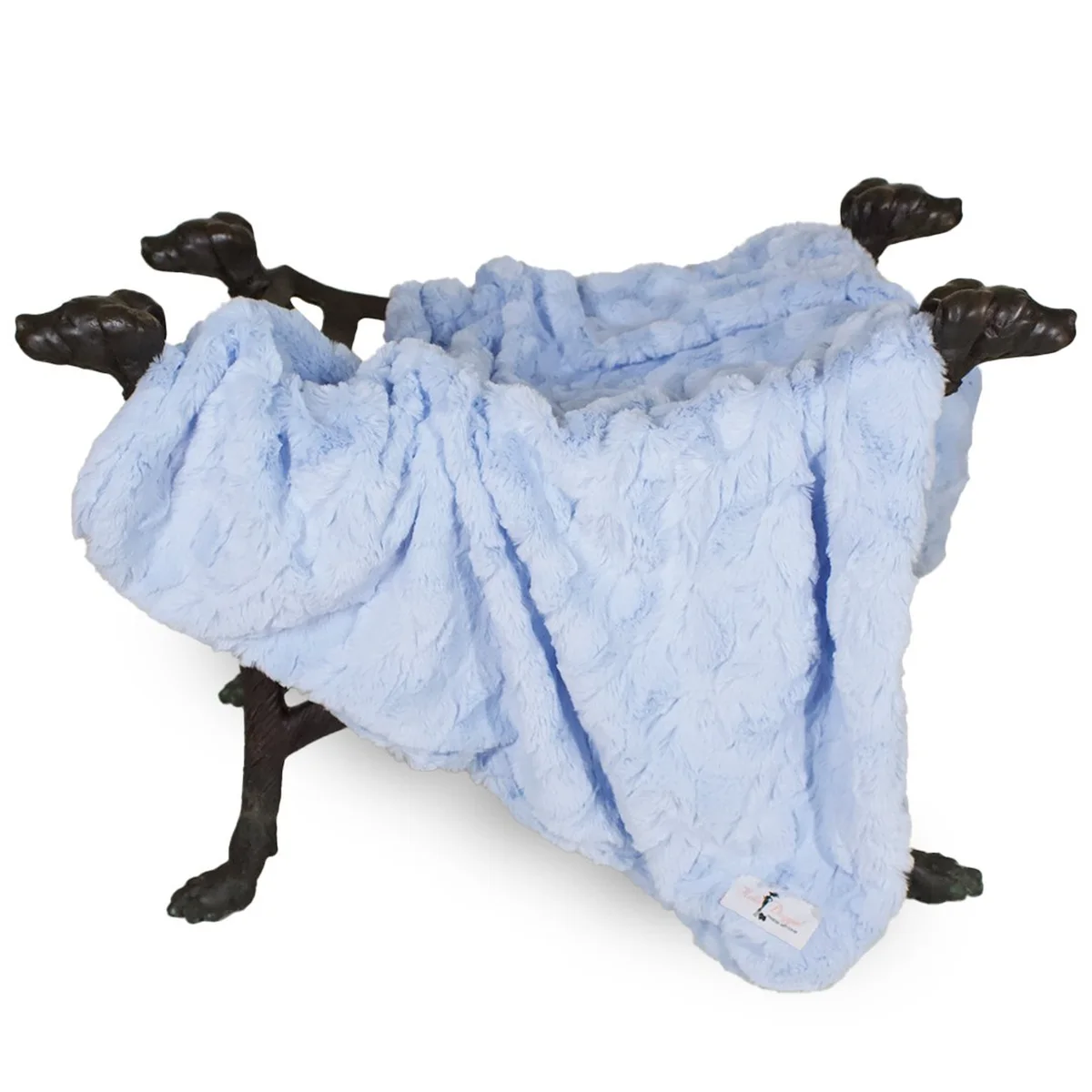 Made in the USA
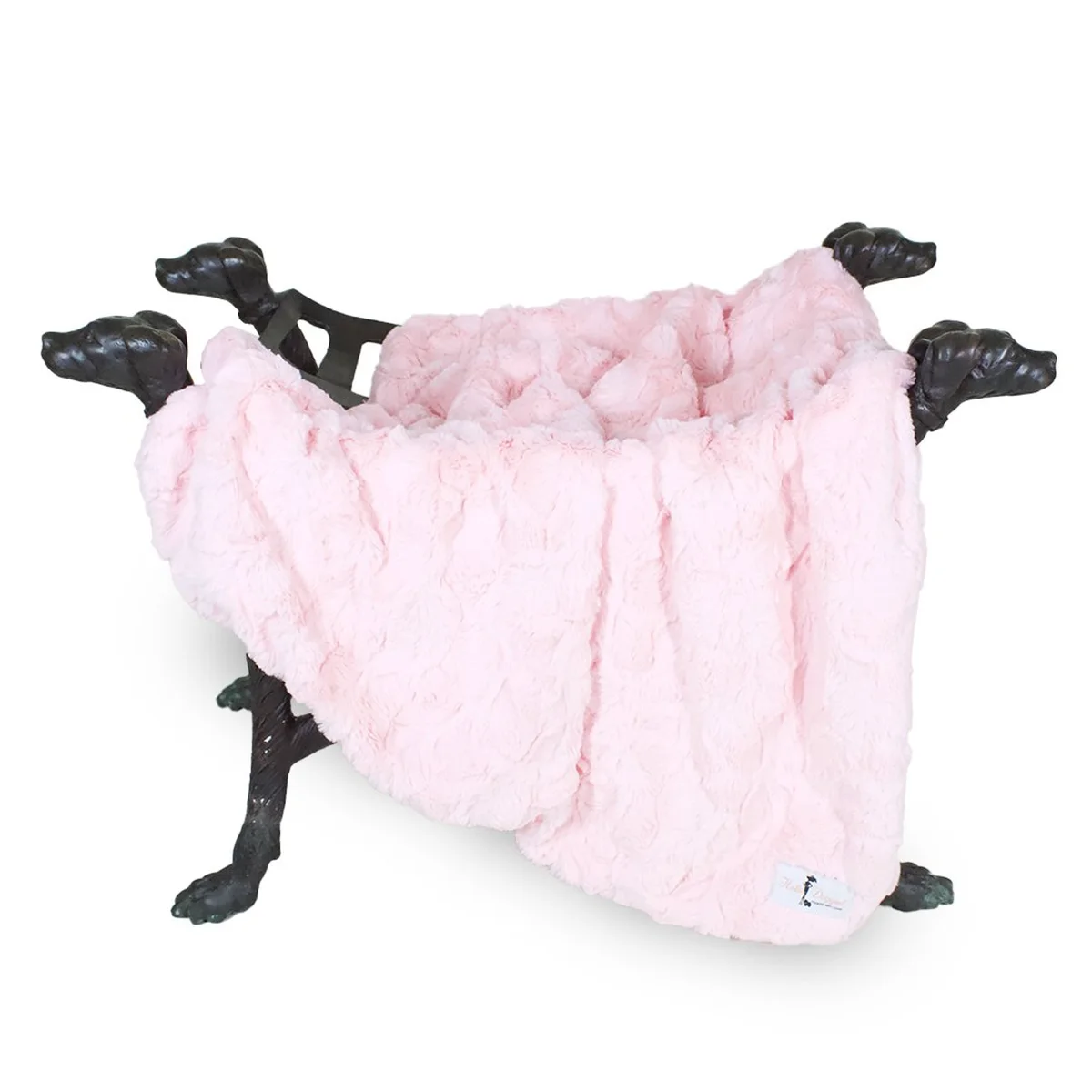
Similar breeds



Written by Pawdeck editors · updated Nov 12, 2026 · facts from Wikidata and Wikimedia Commons; health notes are general veterinary guidance, not a diagnosis.