Dog breeds / Maltese

Photo: Maltezervereniging · Public domain · Wikimedia Commons
Dog breed
Maltese
The Maltese is a gentle, affectionate companion that tends to bond closely with its people and often prefers being near them rather than off on its own. It is playful in short bursts, usually calm indoors, and generally does well in apartments and quiet homes. With respectful children who handle it gently it can be a loving playmate, though it is small enough that rough play or very young kids can be a poor match. It usually gets along with other pets when introduced carefully.
Day to day, the Maltese needs regular short walks and indoor play, along with consistent house training, which can take patience. It does not do well being left alone for long stretches and may bark when it is bored or wants attention. Its silky coat needs brushing several times a week to prevent tangles, and its teeth benefit from regular brushing and dental checks.
Good for: Apartment dwellers, quiet homes, companionship-seeking owners
| Size | small |
| Weight | 7–9 lb |
| Life span | 15 years |
Living with a Maltese
Exercise
Two short walks a day plus indoor play is usually enough. Gentle games like fetch in a hallway suit its size well.
Grooming
The long, silky coat sheds very little but mats easily, so brushing several times a week is important. Regular bathing and trims around the face and paws help keep it comfortable.
Health
Maltese are prone to dental disease, luxating patella, and tear staining, and can be prone to certain eye conditions. Ask your vet about screening and preventive care suited to your dog.
Questions owners ask
Does the Maltese shed a lot?
Very little. Its coat is hair-like rather than fur, which makes it a good fit for people sensitive to shedding. Regular brushing still matters to prevent mats.
Is the Maltese good for apartment living?
Yes, it adapts well to apartments because of its small size and moderate energy. It still needs daily walks and play to stay content and healthy.
Does the Maltese bark a lot?
It can be vocal, especially when bored, anxious, or left alone. Early training, enrichment, and steady routines help reduce excessive barking.
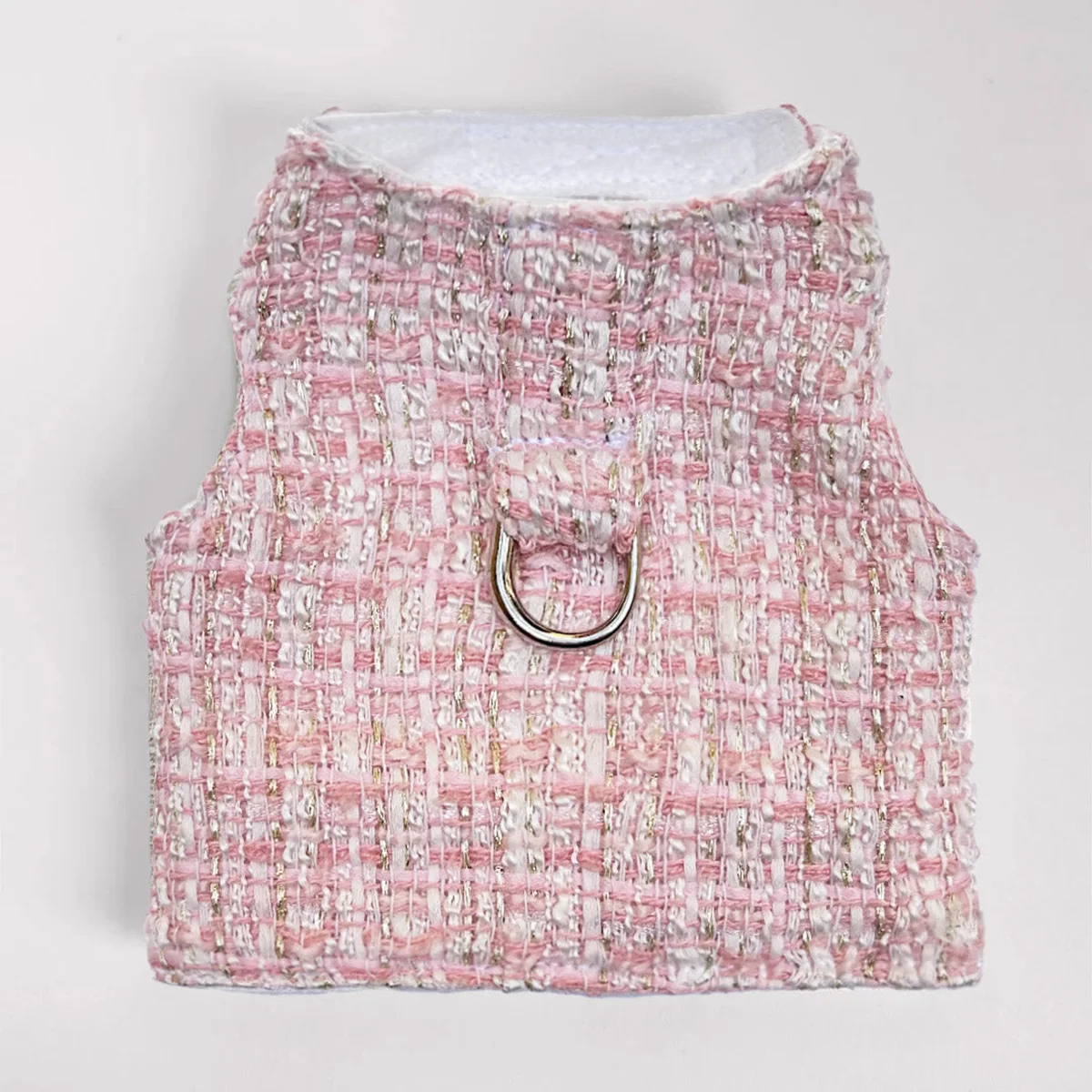
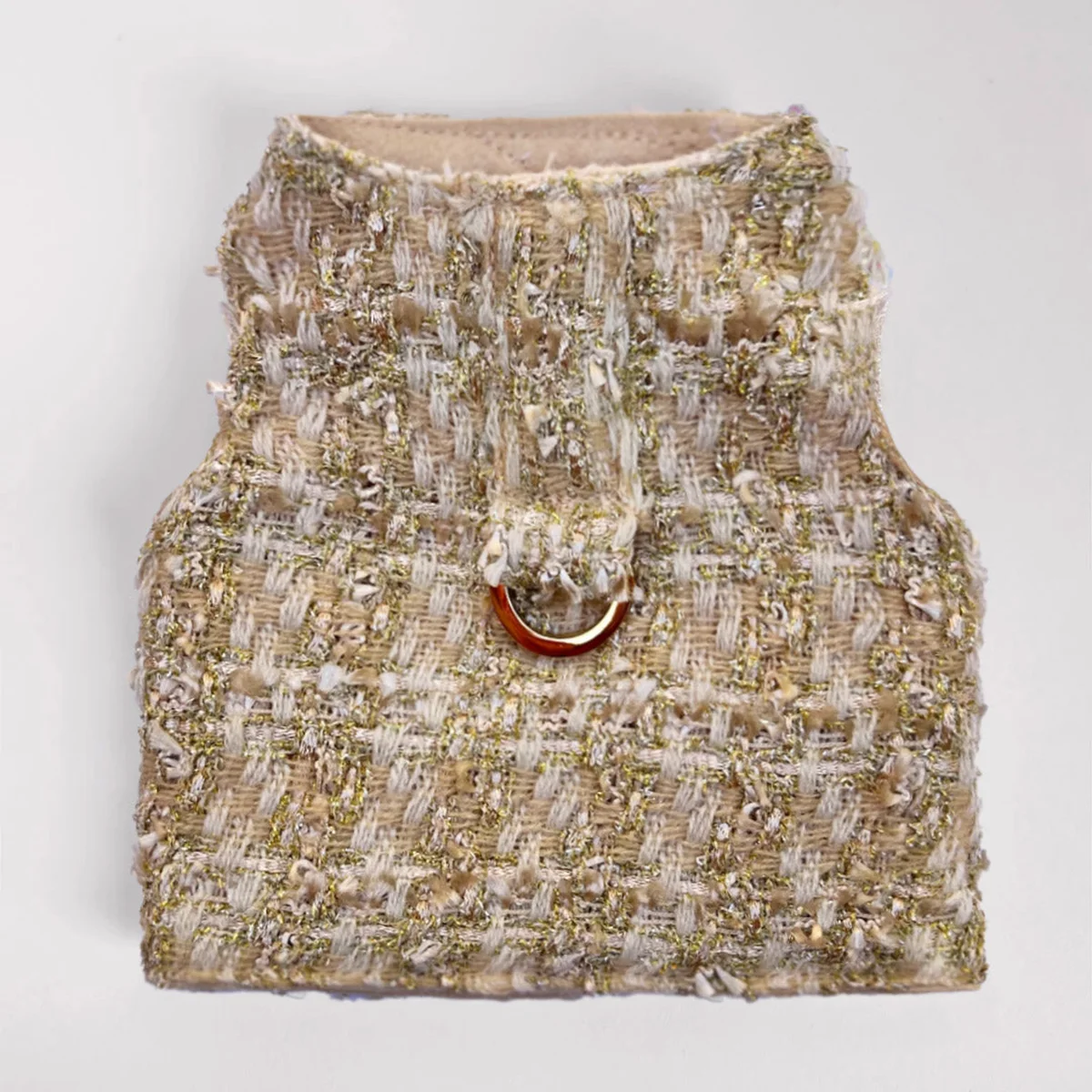
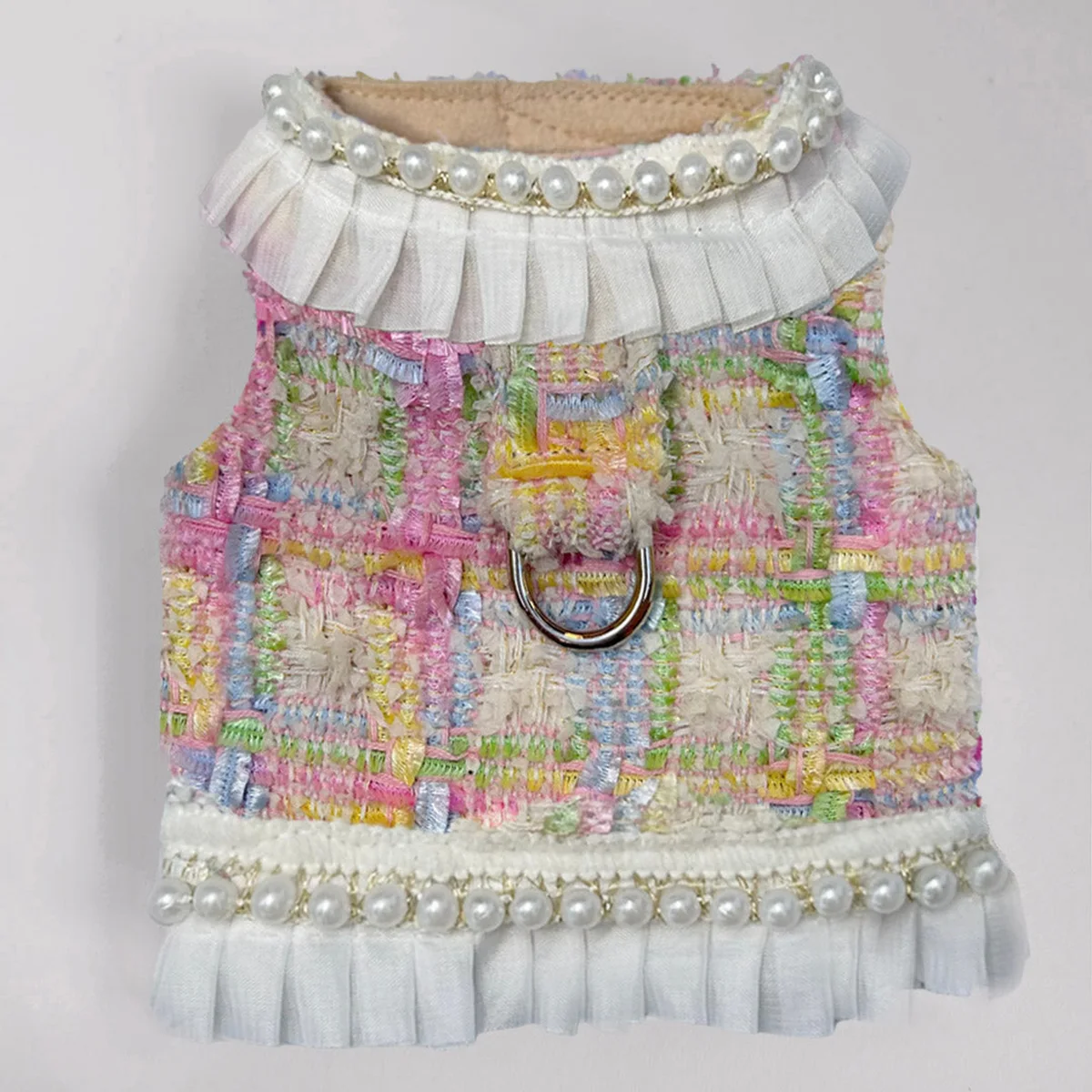
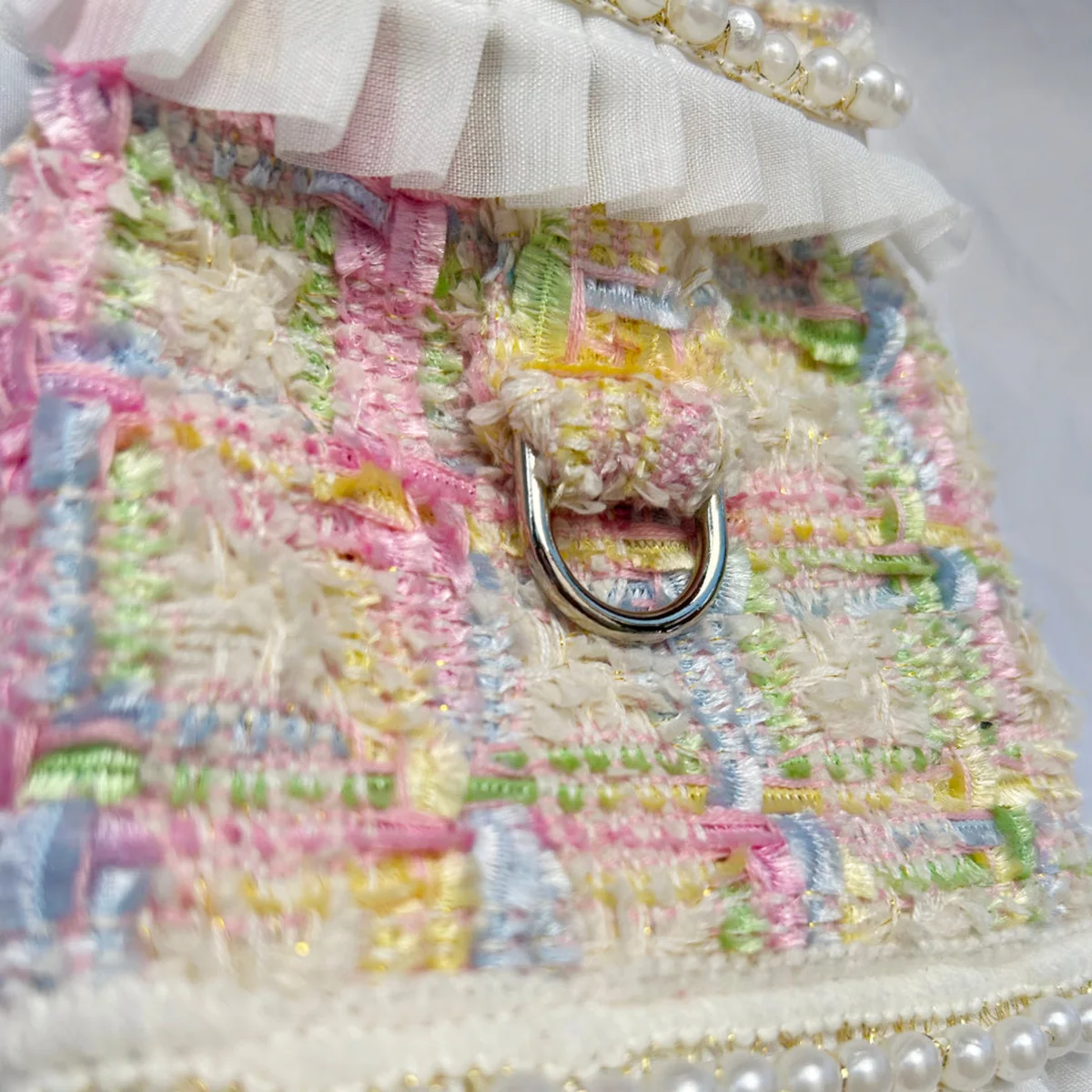
Good picks for a Maltese