
Dog breeds / Pomeranian

Photo: Novoklimov · CC0 · Wikimedia Commons
Dog breed
Pomeranian
The Pomeranian descends from larger Spitz-type sled and herding dogs of the Pomerania region, on the Baltic coast of what is now Germany and Poland. Over the 1800s breeders reduced the size considerably, and the small dog became a companion, a role it still holds.
Poms are alert, bold and very aware of their surroundings, and they tend to think of themselves as much larger than they are. Their coat is a thick double layer that stands off the body, and they are vocal, using barking as an alarm, a greeting and sometimes a demand. They bond closely with their people and often choose one favourite.
Day to day, a Pomeranian needs regular brushing to keep the coat from matting, plus a daily walk or play session and steady routine. They do well with indoor enrichment such as short training games, puzzle toys and time spent near their people.
Good for: Adults and older families who want a small, lively companion
| Size | small |
| Weight | 3–7 lb |
| Height | 7–9 in |
| Life span | 12–16 years |
| Exercise | about 45 min a day |
| Shedding | heavy |
| Origin | Germany |
Pomeranians need consistent training and daily grooming, and their small size makes them fragile around rough handling.
Living with a Pomeranian
Exercise
Most adult Pomeranians do well with two short walks a day plus indoor play. They can be tired out with games and short training sessions. Without enough activity they tend to become restless, bark more and may invent their own entertainments.
Grooming
The double coat is thick and stands off the body, and it needs brushing several times a week to prevent mats, with more attention during seasonal shedding. Bathe only when needed, and dry the coat thoroughly. Trim nails regularly and check and clean the ears to avoid buildup.
At home
Pomeranians are usually best with older children who handle them gently, since their small size and fragile frame make rough play risky. They can get along with other dogs and cats they are raised with, though they may challenge larger animals. They adapt well to apartments because they need little space, but a house with a secure yard suits their curiosity. Many do not like being left alone for long, so they are better suited to homes where someone is around for much of the day.
Training
Pomeranians learn quickly and respond well to positive reinforcement, using treats, praise and short, upbeat sessions of a few minutes at a time. Early socialising with people, sounds and other animals helps prevent the wariness and barking that can develop in this breed. Expect a stubborn streak and some sensitivity to harsh correction. Recall can be unreliable, so keep them on lead or in a secure area until it is well practised.
Health
Pomeranians can be prone to luxating patella, tracheal collapse and dental problems because of their small size. Ask your vet about screening and regular dental care, and watch for coughing or wobbling gait. Your vet can advise on the right check-up schedule for your dog.
- Luxating patella
- Tracheal collapse
- Dental disease
Known tendencies, not a diagnosis: ask your vet about this breed.
The numbers for a Pomeranian
Feeding, adult
0.5–0.75 cups a day
About 209 kcal, roughly 4 lb of dry food a month at 3–7 lb. Start here and adjust to the bag and your vet. Portion calculator →
What a year costs
$1,050–$1,900
Food about $154, plus routine vet care, parasite preventives and gear. US averages; insurance and emergencies on top.
Weather
Watch above 75°F, stop at 85°F
Coat or short walks below 40°F. Small dogs lose heat fast: a coat below about 40°F, and keep walks short in the cold.
Where a Pomeranian is comfortable
Easy most of the year: California, Oregon, Washington.
Summer needs care (early walks, shade, AC): Alabama, Arizona, Florida, Georgia, Hawaii, Louisiana, Mississippi, Nevada, South Carolina, Texas.
Winter needs care (coat, short walks): Alaska, Connecticut, Delaware, Illinois, Indiana, Iowa, Kentucky, Maine, Massachusetts, Michigan, Minnesota, Montana, New Hampshire, New Jersey, New York, North Dakota, Ohio, Pennsylvania, Rhode Island, South Dakota, Vermont, West Virginia, Wisconsin, Wyoming.
Both seasons need care: Arkansas, Colorado, Idaho, Kansas, Maryland, Missouri, Nebraska, New Mexico, North Carolina, Oklahoma, Tennessee, Utah, Virginia, Washington, DC.
From typical July highs and January lows by state and this breed's heat and cold limits. Indoor life changes everything; this is about walks and time outside.
Right now
Latest dog food recalls
Fromm: Fromm wet canned dog food
Fromm Family Foods LLC · Aug 21 · Potential metal contamination
Oma’s Pride: Canine Food
Miller Foods, Inc. · Aug 17 · Contaminated with Salmonella
Pedigree: High Protein Chopped Chicken & Duck Flavor Wet Dog Food
Mars Petcare US, Inc. · Jul 2 · Potential foreign plastic contamination
Popular Pomeranian names
From 13,752 licensed Pomeranians in New York City. All forty, with counts →
Is a Pomeranian right for you?
- Yes if you want a small dog that fits in an apartment
- Yes if you enjoy regular brushing and grooming time
- Think twice if you work long hours and the dog would be alone
- Think twice if you have young children who handle dogs roughly
- Yes if you want a confident, affectionate lap companion
Questions owners ask
Do Pomeranians shed a lot?
Yes. They have a thick double coat and shed heavily, especially during seasonal coat blows. Brushing several times a week helps control loose hair around the home.
Are Pomeranians good in apartments?
They can be, because they are small and need little space. They do best with daily walks and indoor play, and they should not be left alone for long periods.
Do Pomeranians bark a lot?
They can be vocal and may bark at sounds, visitors or passing animals. Early training and enough activity help reduce excessive barking.
Are Pomeranians good with kids?
They are usually better with older, gentle children. Their small size makes them easy to injure, so supervise interactions closely.
How long do Pomeranians live?
Pomeranians often live between 12 and 16 years with good care. Regular vet checks, dental care and a healthy weight support a long life.
Good picks for a Pomeranian
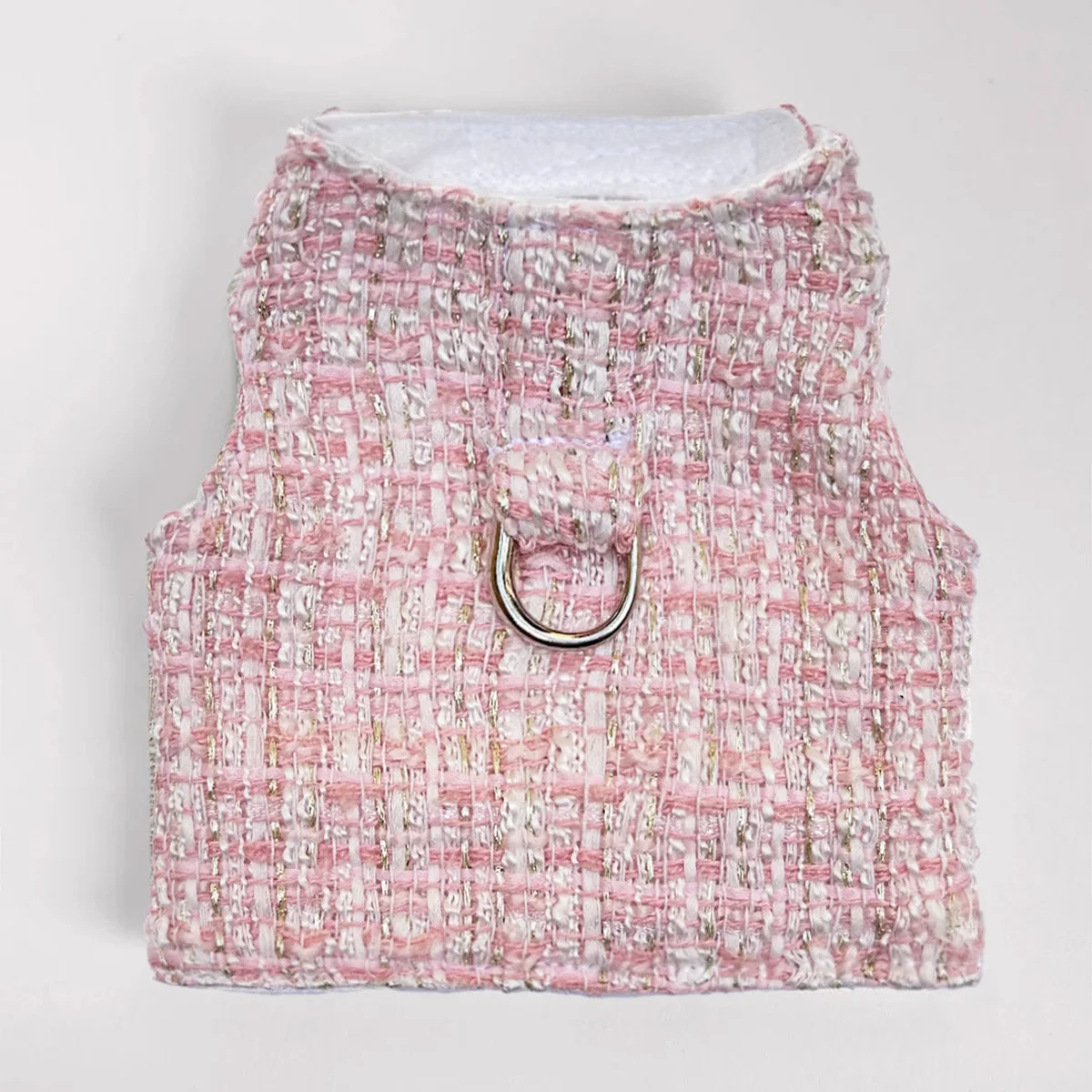 Made in the USA
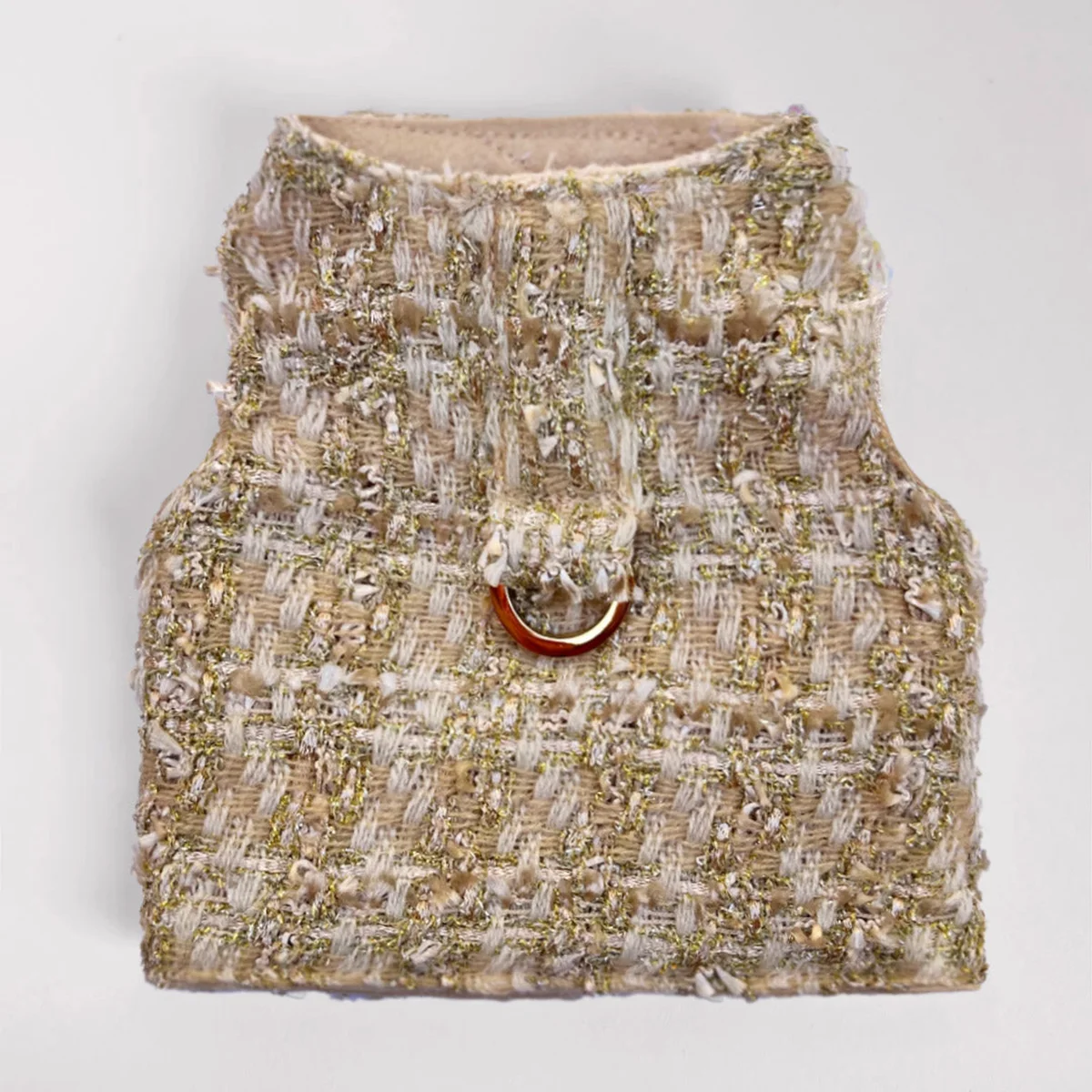
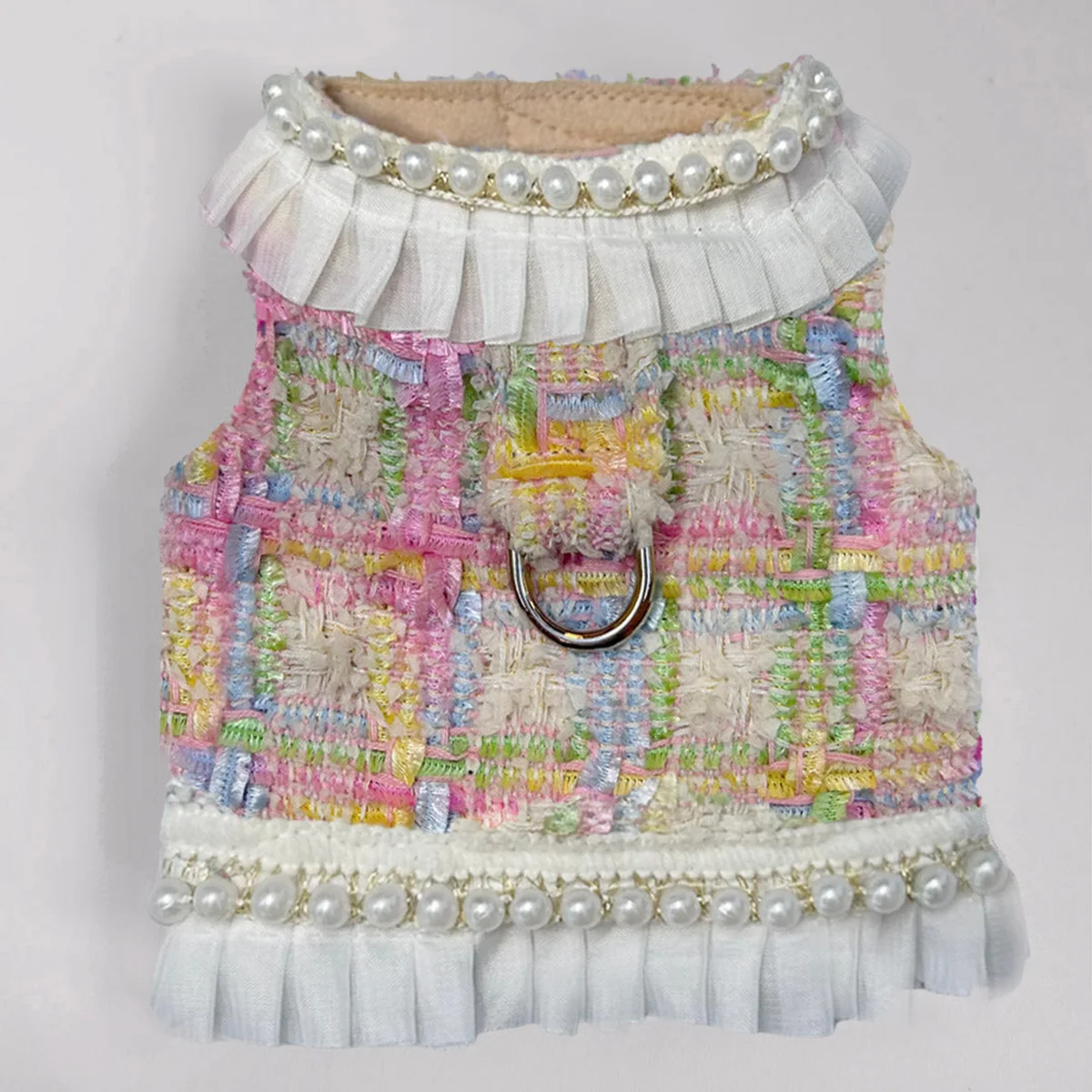 Made in the USA
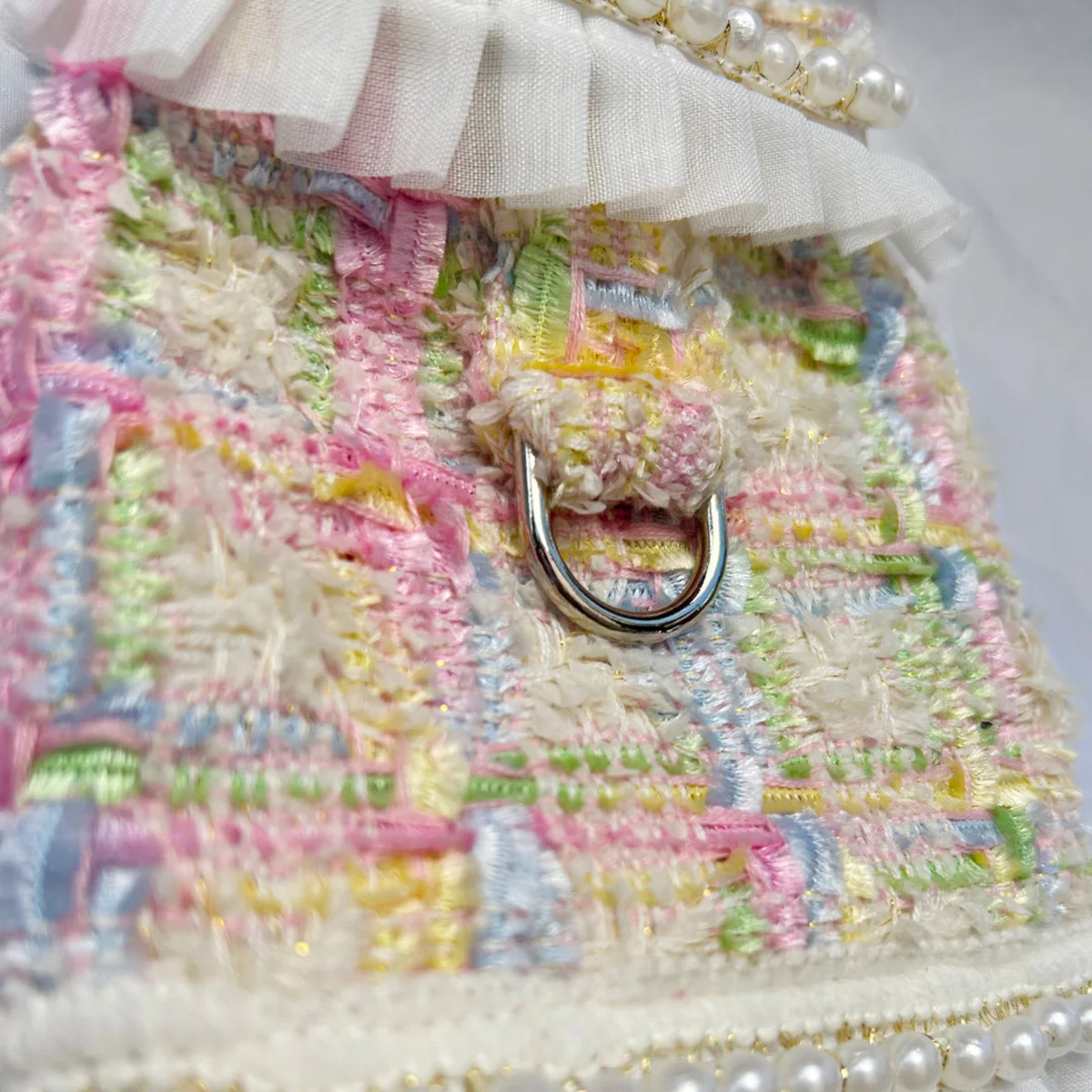
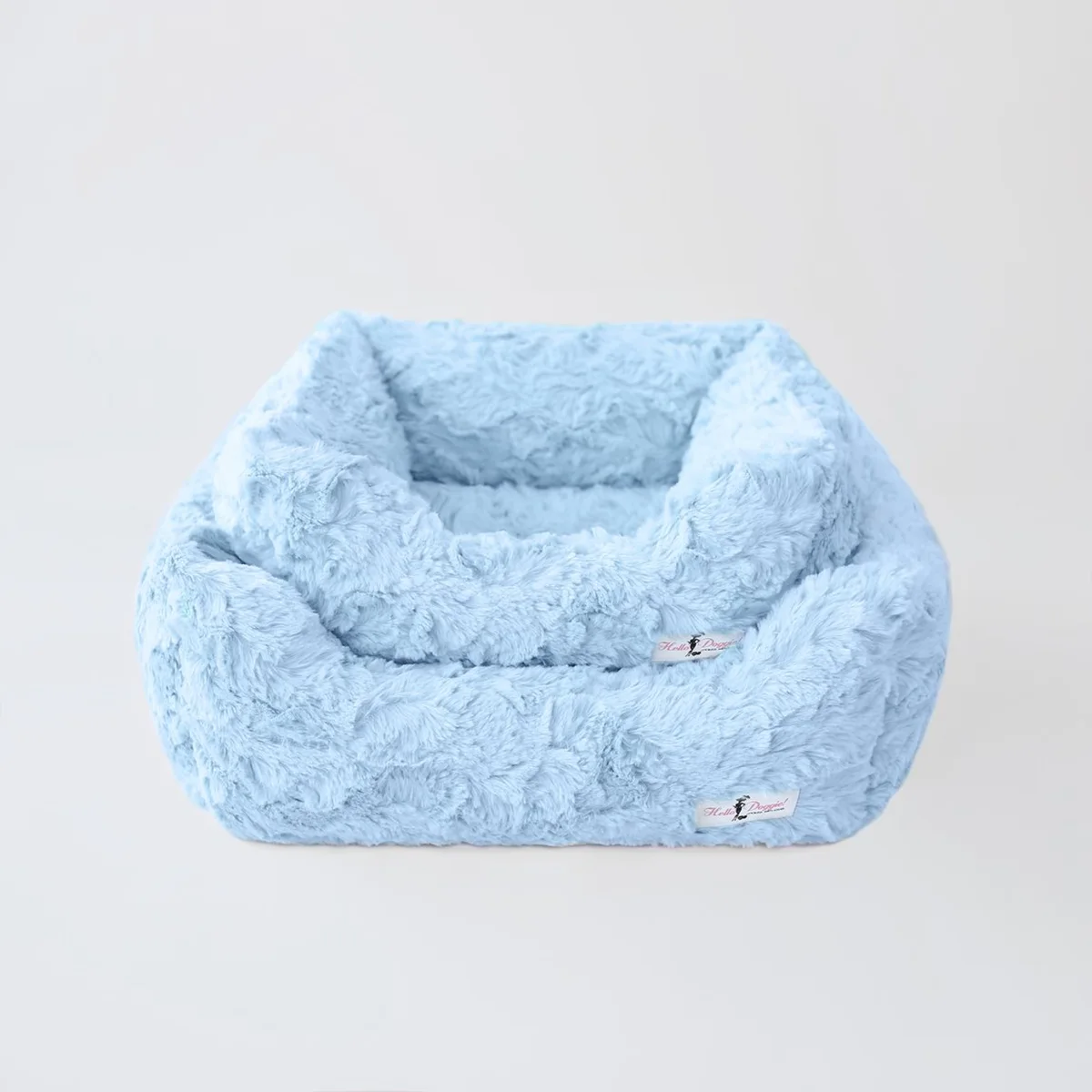 Made in the USA
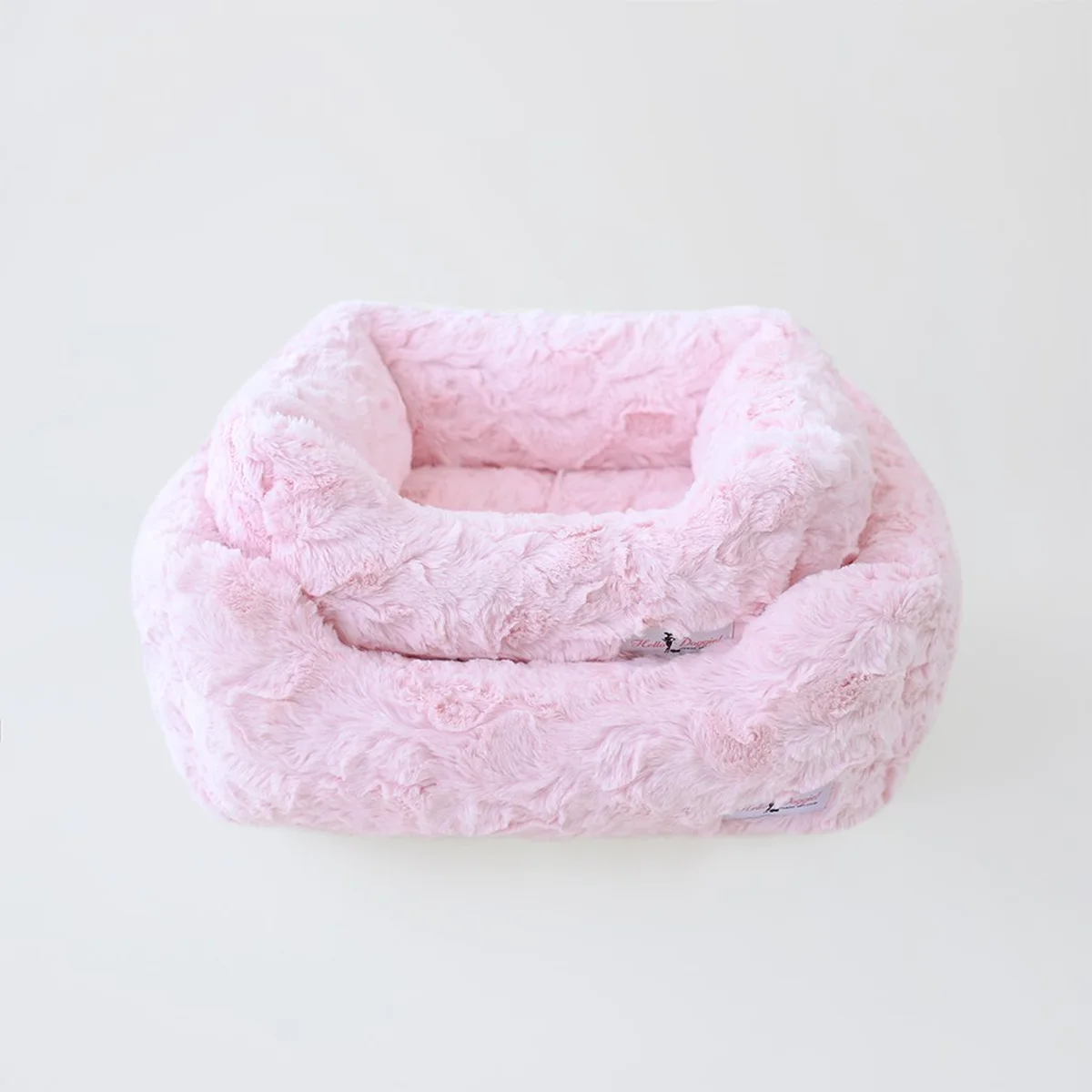
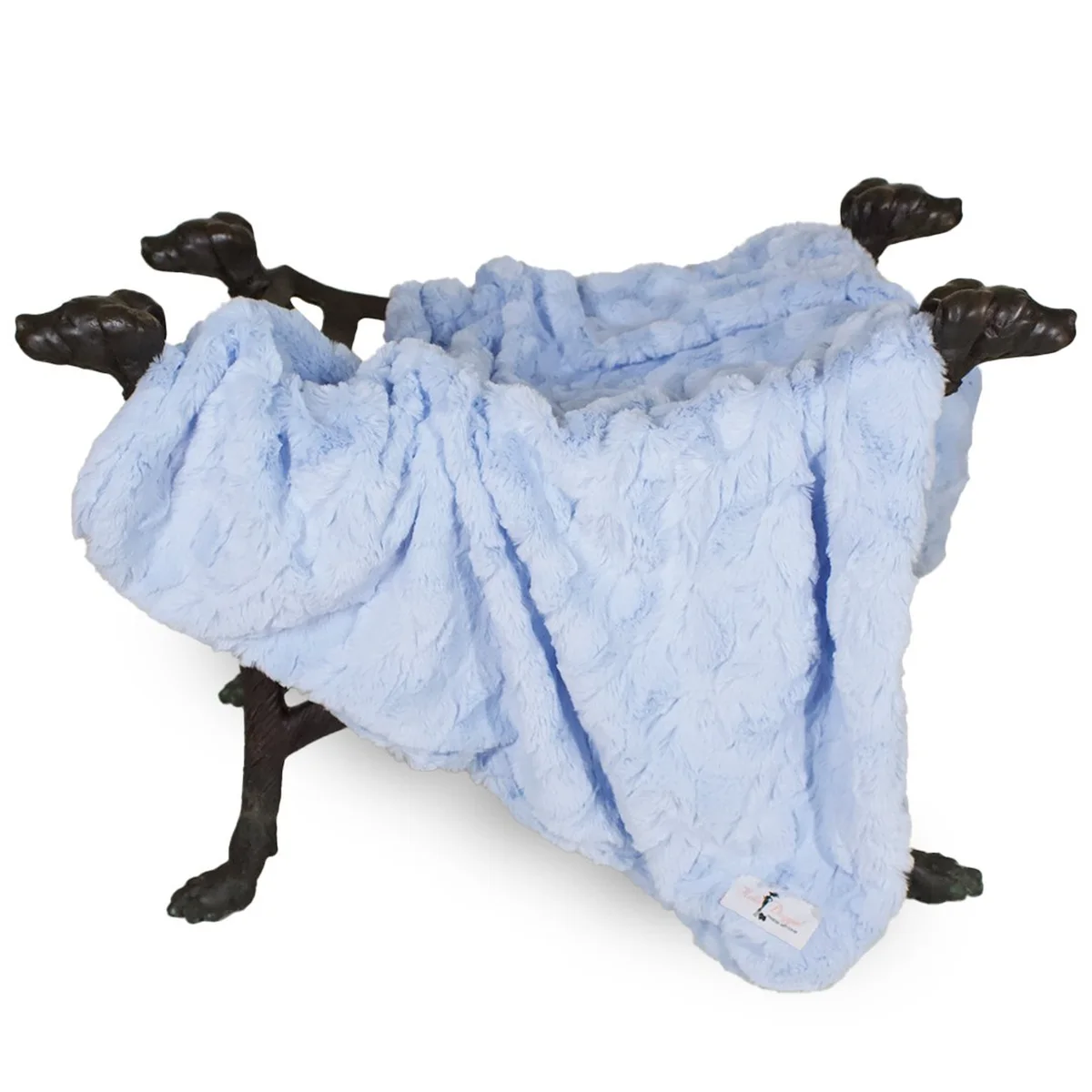 Made in the USA
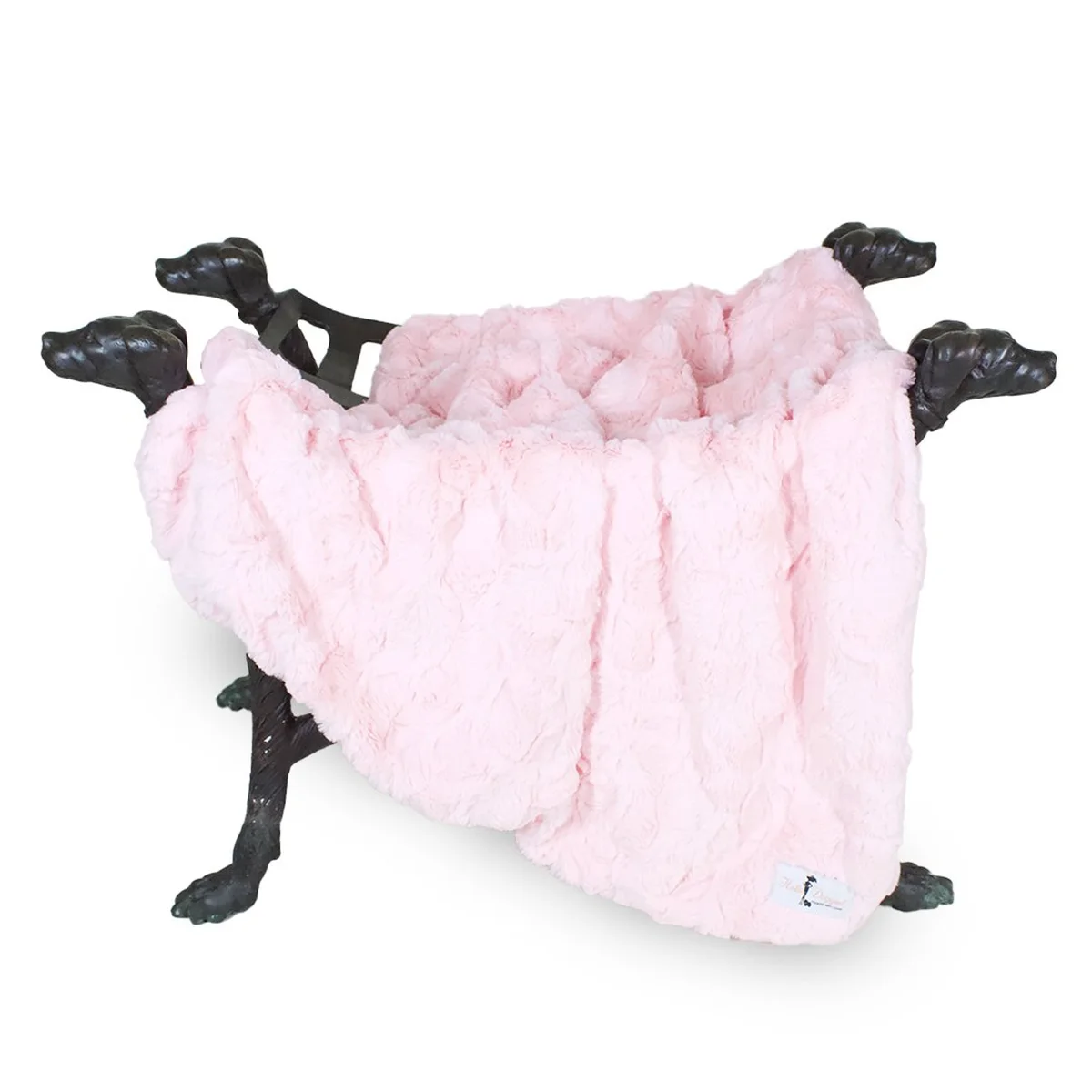
Written by Pawdeck editors · updated Nov 12, 2026 · facts from Wikidata and Wikimedia Commons; health notes are general veterinary guidance, not a diagnosis.