
Dog breeds / Puggle
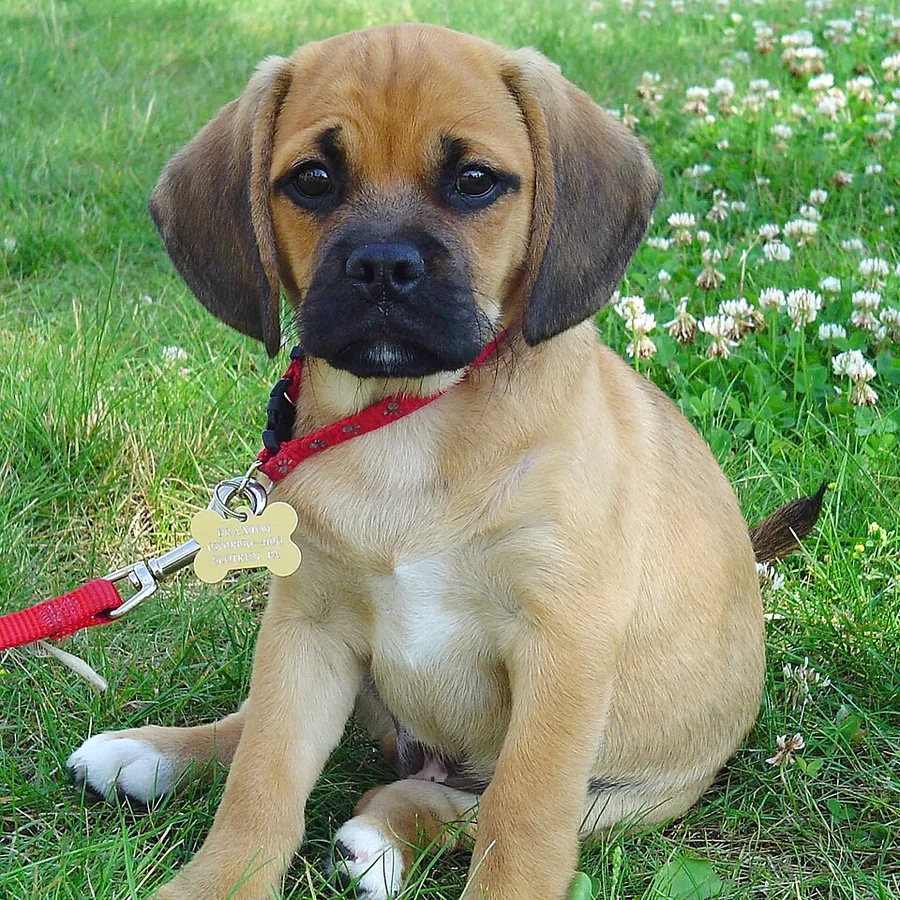
Photo: Sav127 · CC BY-SA 3.0 · Wikimedia Commons
Dog breed
Puggle
The Puggle is a crossbreed, usually a Pug crossed with a Beagle, and it came about in the United States in the 1980s when owners wanted a small, friendly companion with a bit more energy than a Pug. Its parents were bred for very different jobs: the Pug as a companion for European royalty and gentry, and the Beagle as a scent hound for following rabbits in packs. The Puggle inherits some of both, so its build and temperament vary a good deal from one dog to the next.
Day to day, a Puggle tends to be affectionate, people-focused and eager to be near its family, sometimes following its owner from room to room. The Beagle side brings a strong nose and a willingness to bark or howl when something interests it, and many Puggles are food-motivated and will test the limits of the kitchen counter. They are usually playful and sociable, though some have more Pug calm and others more Beagle drive.
What a Puggle needs is a daily walk or two, some time to sniff, and regular meals measured carefully, since weight gain is a real concern for the breed. Short bursts of play help keep it content, and it should not be left alone for long periods, as it can get bored and vocal.
Good for: Active singles, couples or families with gentle kids
| Size | medium |
| Weight | 20–40 lb |
| Height | 10–15 in |
| Life span | 12–15 years |
| Exercise | about 45 min a day |
| Shedding | moderate |
Puggles can gain weight easily and bark when bored, so measure food carefully and plan for daily exercise and company.
Living with a Puggle
Exercise
Most Puggles need about 30 to 60 minutes of exercise a day, split into walks and play. Sniffing walks and games that use their nose suit them well. Too little exercise often shows up as weight gain, restlessness or excessive barking.
Grooming
Puggles have a short, dense coat that sheds moderately, with more shedding in spring and fall. A weekly brushing and occasional bath are usually enough. Check and clean the ears regularly, since floppy ears can trap moisture, and trim nails when they become audible on the floor.
At home
Puggles usually do well with children who are gentle and respectful of their size, and they generally get along with other dogs and with cats they grow up alongside. In an apartment they can be fine if they get regular walks and attention, though their barking may bother neighbors. A house with a small yard suits them well, but they need company and are not built to spend long hours outdoors. They often cope poorly with being left alone and benefit from a routine, a comfortable bed and possibly a companion animal.
Training
Puggles tend to respond well to reward-based training, using treats, praise and short, upbeat sessions of a few minutes at a time. Early socialization with people, dogs and new sounds helps prevent shyness or excessive barking. Expect some stubbornness, since the Beagle side can follow a scent instead of a command, and recall can be unreliable off lead. Consistency and patience usually pay off.
Health
Puggles can be prone to obesity, back problems and eye issues, as both parent breeds have some of these tendencies. Their short muzzles can also affect breathing, especially in hot weather. Ask a vet about screening and what to watch for in your particular dog.
- Obesity
- Intervertebral disc disease
- Brachycephalic breathing problems
Known tendencies, not a diagnosis: ask your vet about this breed.
The numbers for a Puggle
Feeding, adult
2–2.5 cups a day
About 789 kcal, roughly 15 lb of dry food a month at 20–40 lb. Start here and adjust to the bag and your vet. Portion calculator →
What a year costs
$1,700–$2,900
Food about $580, plus routine vet care, parasite preventives and gear. US averages; insurance and emergencies on top.
Weather
Watch above 75°F, stop at 85°F
Coat or short walks below 32°F. Comfortable in most weather: watch pavement heat above 85°F and add a coat below freezing if the coat is short.
Where a Puggle is comfortable
Easy most of the year: California, Delaware, Kentucky, New Jersey, Oregon, Washington.
Summer needs care (early walks, shade, AC): Alabama, Arizona, Arkansas, Florida, Georgia, Hawaii, Louisiana, Maryland, Mississippi, Nevada, New Mexico, North Carolina, Oklahoma, South Carolina, Tennessee, Texas, Virginia, Washington, DC.
Winter needs care (coat, short walks): Alaska, Connecticut, Illinois, Indiana, Iowa, Maine, Massachusetts, Michigan, Minnesota, Montana, New Hampshire, New York, North Dakota, Ohio, Pennsylvania, Rhode Island, South Dakota, Vermont, West Virginia, Wisconsin, Wyoming.
Both seasons need care: Colorado, Idaho, Kansas, Missouri, Nebraska, Utah.
From typical July highs and January lows by state and this breed's heat and cold limits. Indoor life changes everything; this is about walks and time outside.
Right now
Latest dog food recalls
Fromm: Fromm wet canned dog food
Fromm Family Foods LLC · Aug 21 · Potential metal contamination
Oma’s Pride: Canine Food
Miller Foods, Inc. · Aug 17 · Contaminated with Salmonella
Pedigree: High Protein Chopped Chicken & Duck Flavor Wet Dog Food
Mars Petcare US, Inc. · Jul 2 · Potential foreign plastic contamination
Popular Puggle names
From 3,089 licensed Puggles in New York City. All forty, with counts →
Is a Puggle right for you?
- Yes if you want a affectionate, people-focused companion
- Yes if you enjoy daily walks and sniffing adventures
- Think twice if you work long hours and leave the dog alone
- Think twice if you need a quiet dog that rarely barks
- Yes if you can keep an eye on portions and treats
Questions owners ask
Do Puggles shed a lot?
Puggles shed moderately, with heavier shedding in spring and fall. Weekly brushing helps keep loose hair under control around the house.
Can a Puggle live in an apartment?
Yes, if it gets daily walks and attention. Its barking can be an issue with neighbors, so training and enrichment help a lot.
Are Puggles barky?
They can be, since the Beagle side likes to vocalize. Boredom and being left alone make barking worse, so provide activity and training.
How much exercise does a Puggle need?
Most need about 30 to 60 minutes a day, split between walks and play. Sniffing walks suit them well and help use up mental energy.
How long do Puggles live?
Puggles typically live about 12 to 15 years. Keeping them at a healthy weight and getting regular vet checkups supports a longer life.
Good picks for a Puggle
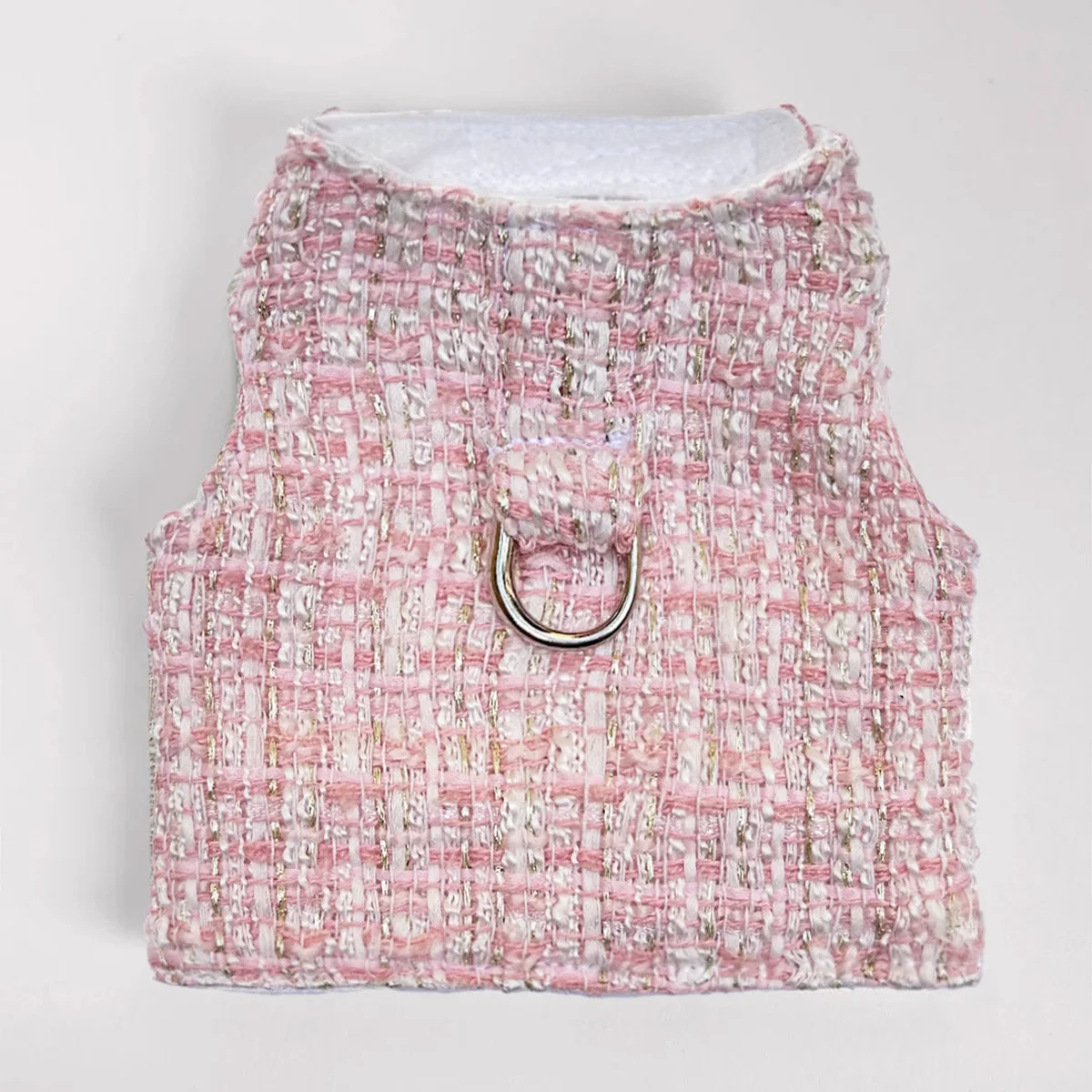 Made in the USA
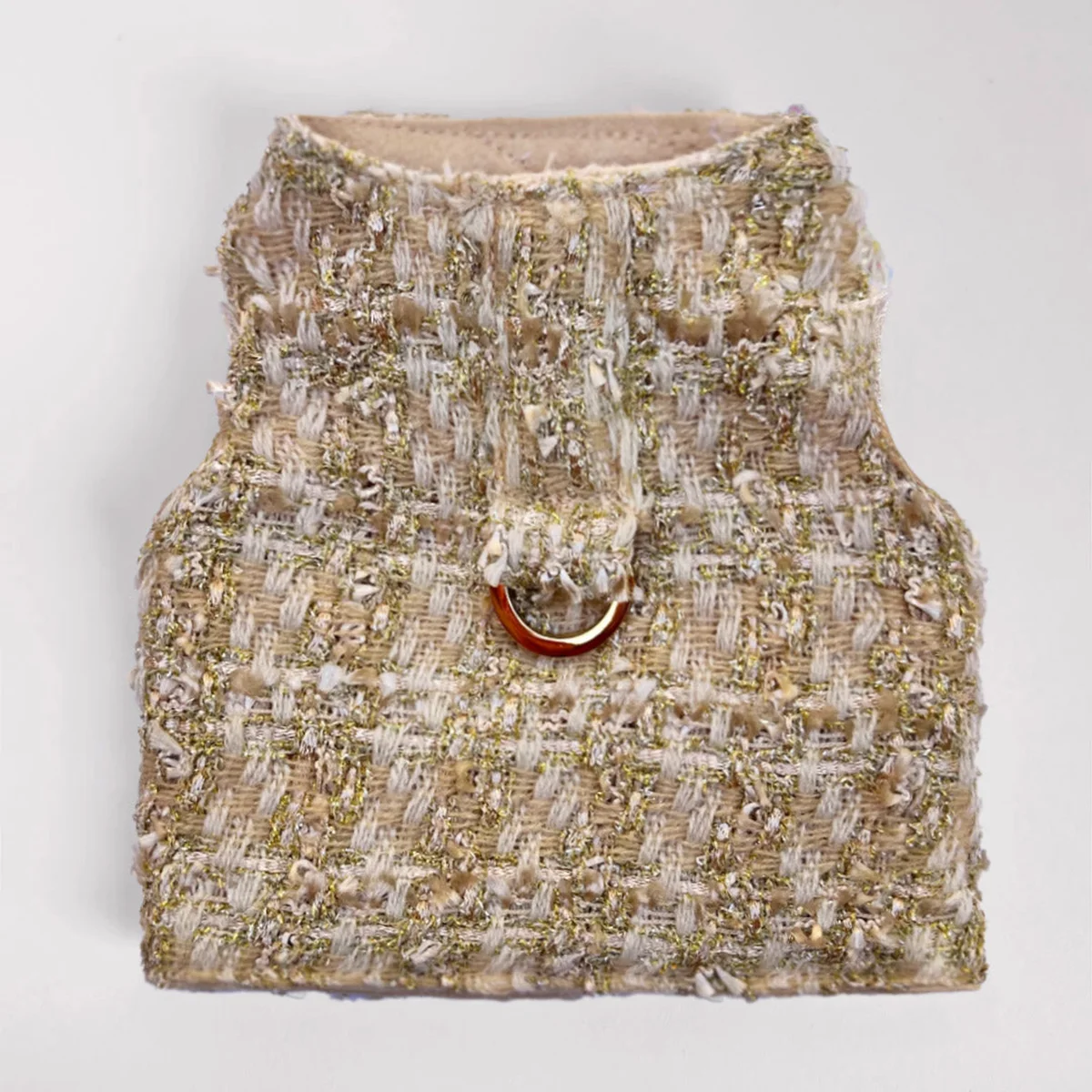
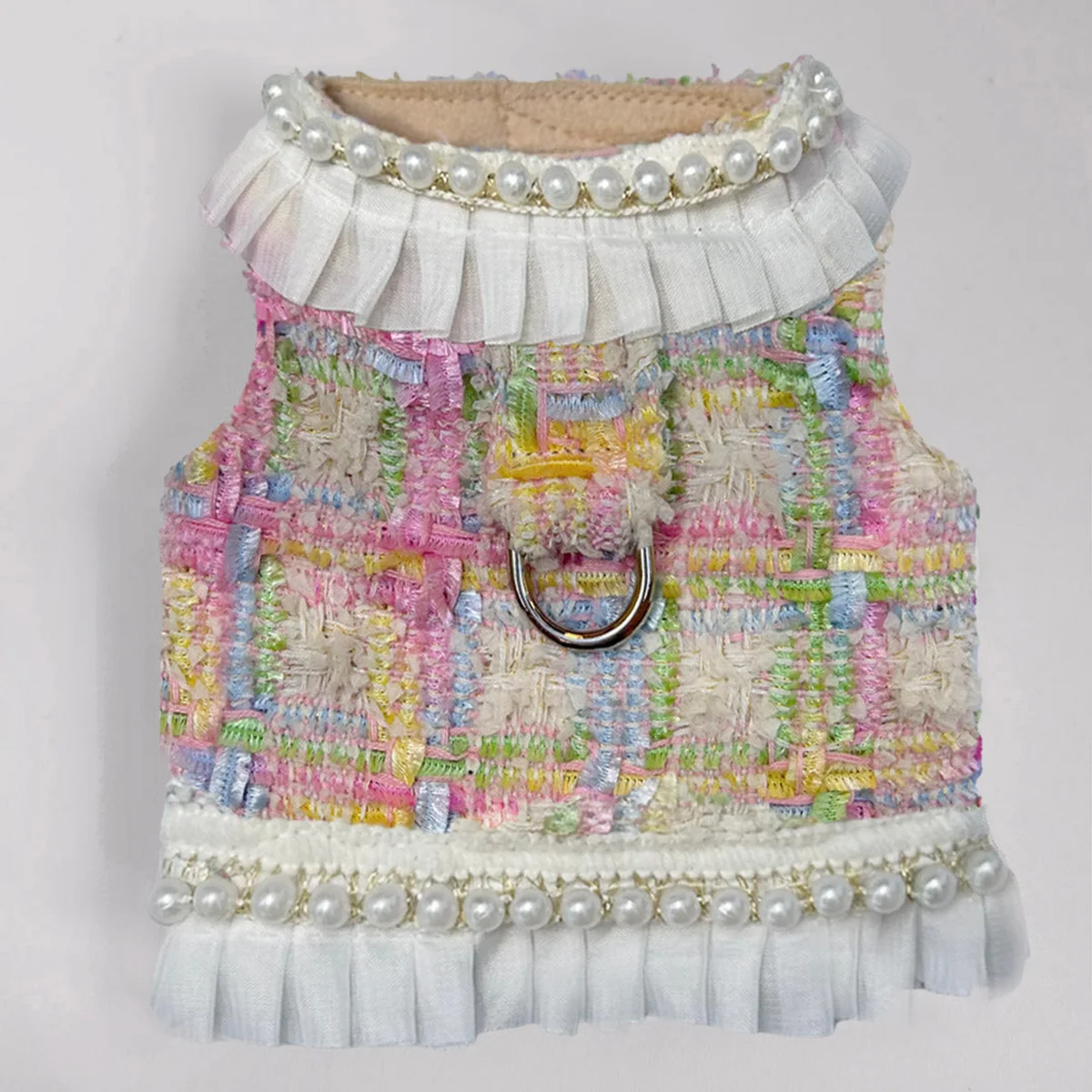 Made in the USA
 Made in the USA
 Made in the USA
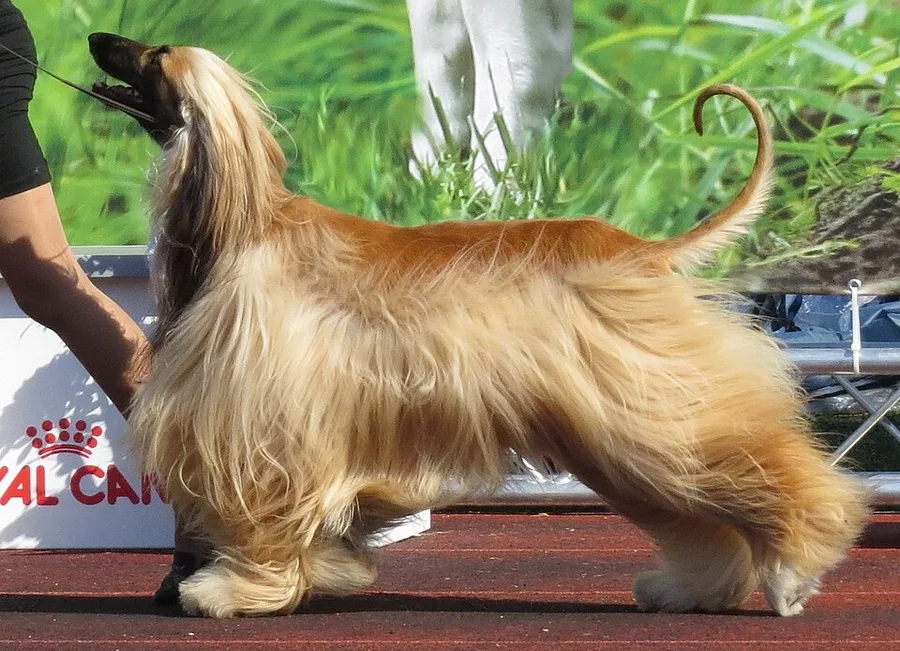
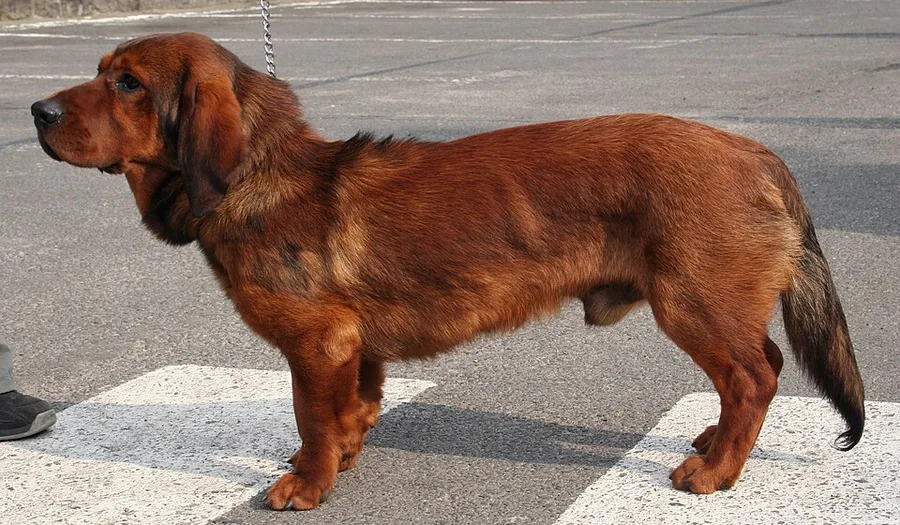
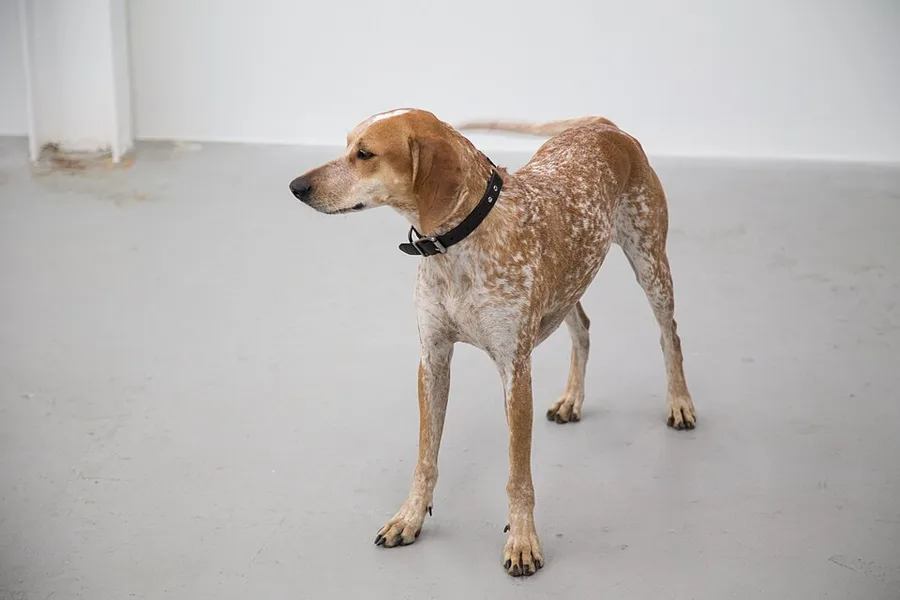
Similar breeds
Written by Pawdeck editors · updated Nov 12, 2026 · facts from Wikidata and Wikimedia Commons; health notes are general veterinary guidance, not a diagnosis.