Dog breeds / Shetland Sheepdog
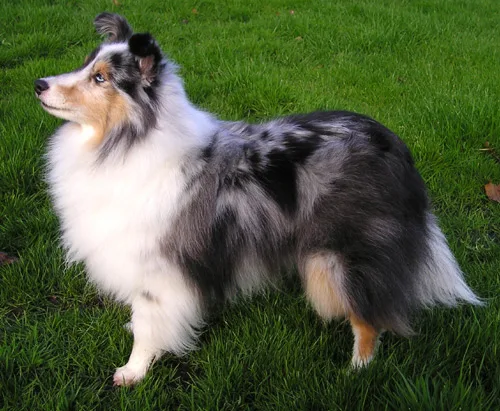
Photo: Unknown · CC BY-SA 3.0 · Wikimedia Commons
Dog breed
Shetland Sheepdog
The Shetland Sheepdog, often called the Sheltie, is a bright, sensitive, and eager-to-please herding dog. Shelties are attentive to their people and tend to bond closely with one family member, sometimes reserving their affection for that person. They are usually gentle and patient with children they know well, and most get along with other pets when raised with them, though they may herd running kids or cats by nipping at heels. They can be reserved with strangers and may bark readily at noises.
Day to day, a Sheltie needs regular mental work as much as physical activity. Short training sessions, puzzle toys, and trick practice keep them content, and they excel at dog sports such as agility and obedience. They do best in homes where they have a job to do and company for much of the day, and they can struggle when left alone for long stretches.
Good for: Active families, experienced or first-time owners wanting a trainable dog
| Size | medium |
| Height | 14–15 in |
| Exercise | about 60 min a day |
| Shedding | heavy |
| Origin | United Kingdom |
Shelties need daily mental work and training, and their heavy shedding means regular brushing is part of the routine.
Living with a Shetland Sheepdog
Exercise
Plan about an hour of activity daily, including brisk walks or a run, plus training or games. Mental exercise counts toward the total.
Grooming
Their double coat sheds heavily, especially during seasonal blowouts. Brush two to three times a week, and daily during shedding periods, and bathe only as needed.
Health
Shelties are prone to collie eye anomaly, hypothyroidism, and dermatomyositis, among other conditions. Ask your vet about screening, especially eye exams from a specialist, before choosing a puppy.
- Collie eye anomaly
- Hypothyroidism
- Dermatomyositis
Known tendencies, not a diagnosis: ask your vet about this breed.
Questions owners ask
Do Shelties shed a lot?
Yes. They have a thick double coat and shed heavily, especially twice a year. Frequent brushing helps control loose hair around the house.
Can a Sheltie live in an apartment?
It can work if the dog gets daily walks and mental stimulation. Their tendency to bark at noises can be a concern in shared buildings, so training helps.
Do Shelties bark a lot?
They can be vocal and alert, often barking at visitors or sounds. Early training to settle on cue reduces excessive barking and makes them easier to live with.
Good picks for a Shetland Sheepdog
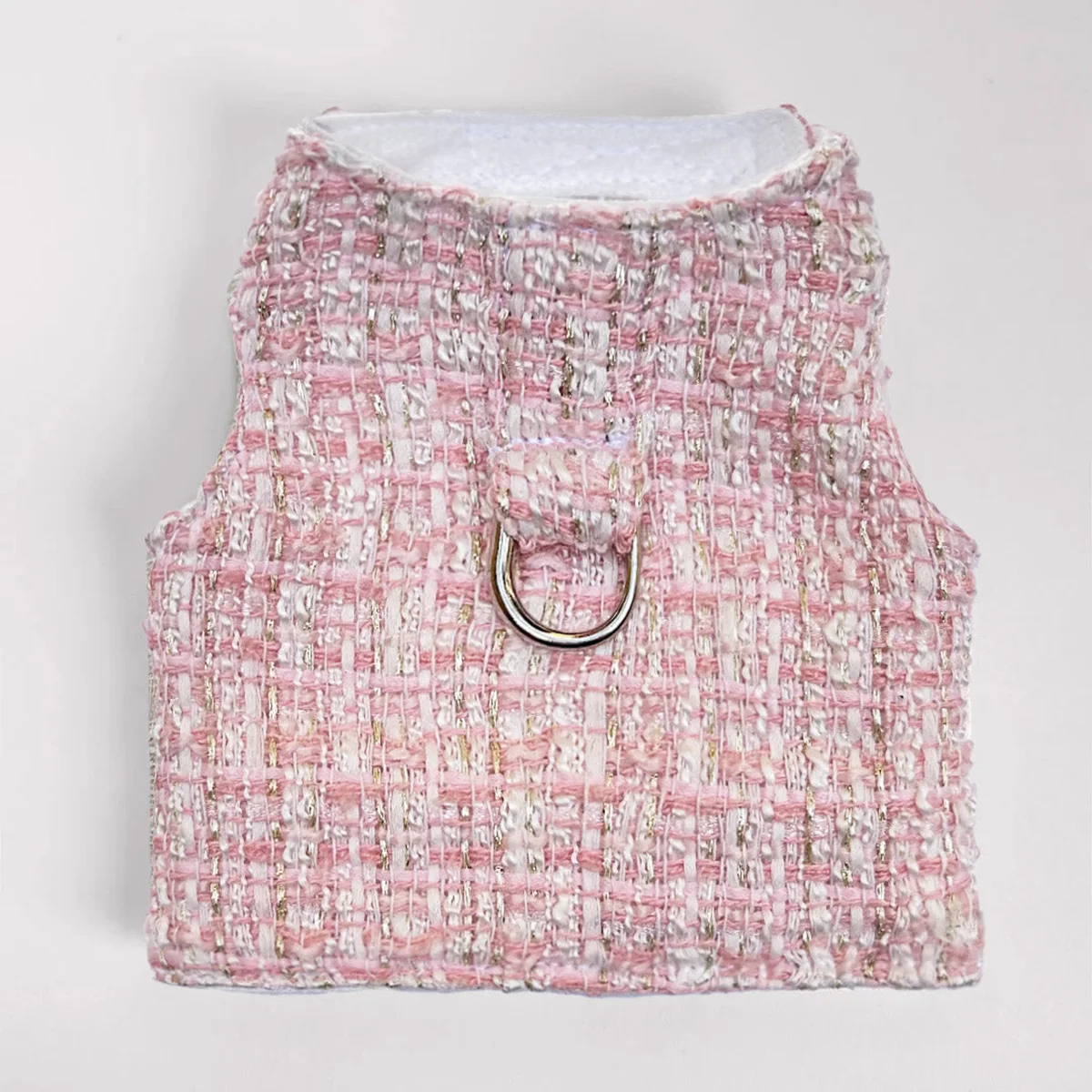 Made in the USA
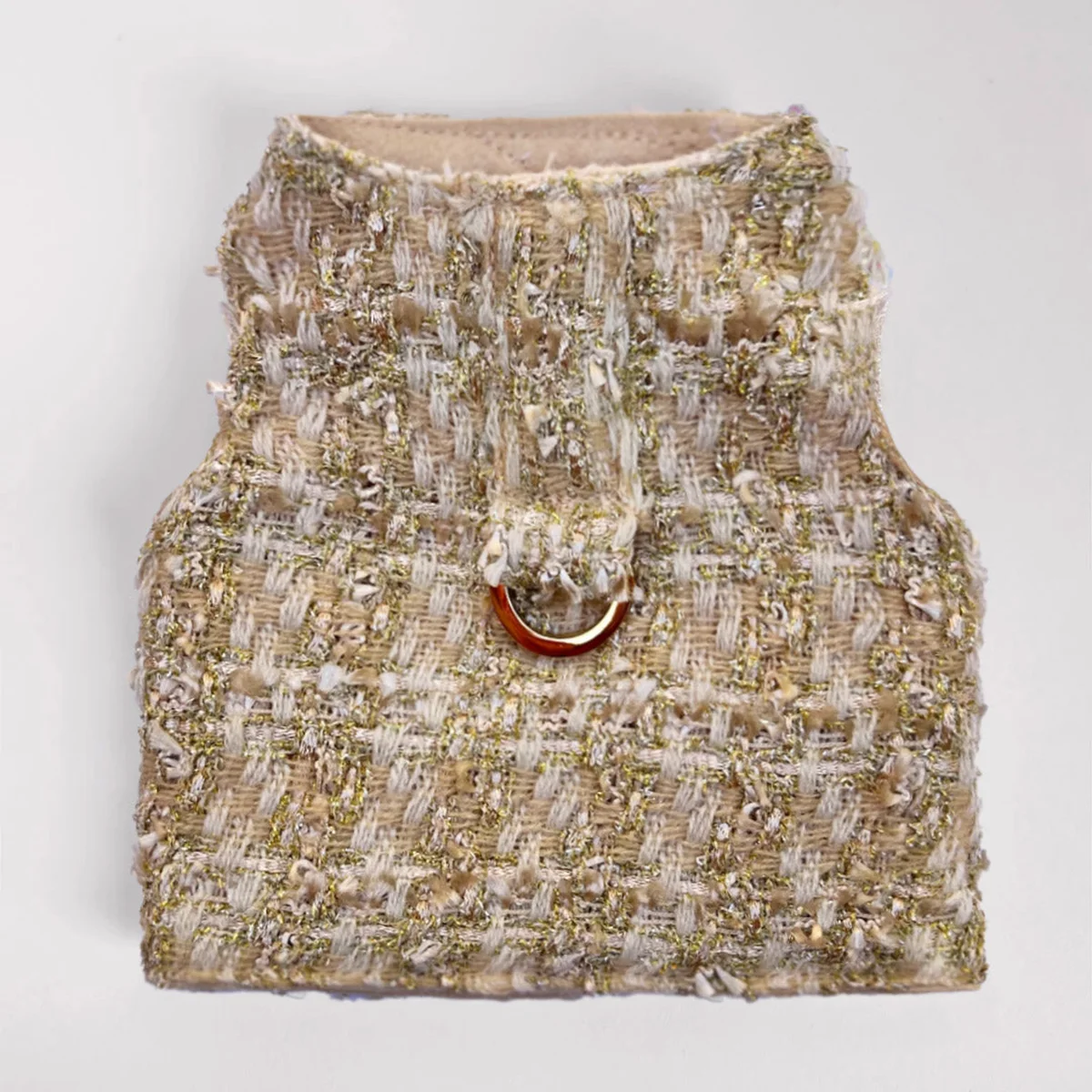
 Made in the USA
 Made in the USA

 Made in the USA