Dog breeds / Tibetan Mastiff
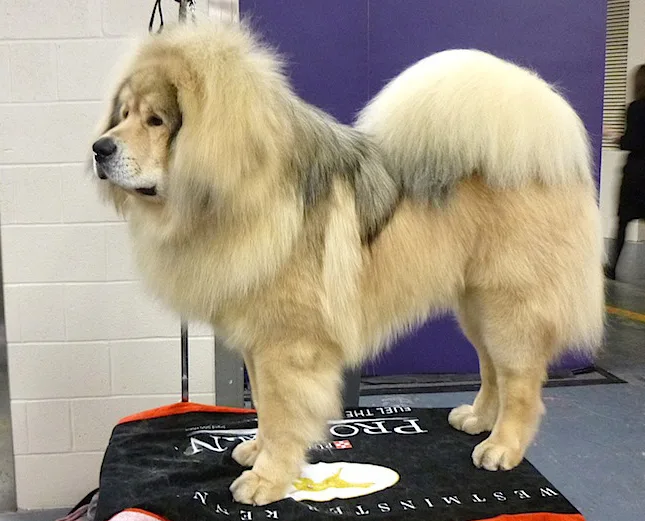
Photo: Pets Adviser from Brooklyn, USA · CC BY 2.0 · Wikimedia Commons
Dog breed
Tibetan Mastiff
The Tibetan Mastiff is a large, dignified guardian breed that was developed to protect livestock and property in the Himalayas. At home they tend to be calm, watchful, and loyal to their own family, but reserved with strangers and often independent in their thinking. With children they are usually patient when raised with them from puppyhood, though their size means supervision matters. Early and steady socialization with visitors and other animals helps them stay confident rather than suspicious.
Day to day, they need room to move and a secure, fenced space, since they are not built for constant leash walks and may roam if left to wander. Their intelligence and stubbornness mean training works best with patience and consistency rather than harsh correction. Expect a noticeable amount of barking when something seems out of place, and plan for their size in terms of food, space, and vet costs.
Good for: Experienced owners with a large, secure yard
| Size | large |
| Height | 24–26 in |
| Origin | People's Republic of China |
Living with a Tibetan Mastiff
Exercise
Plan for moderate daily walks and time to roam in a large, secure yard. They are not endurance runners, but they do best with regular space to move rather than long hours confined indoors.
Grooming
The double coat is thick and heavy, shedding seasonally and sometimes heavily. Brush several times a week, more during shedding periods, and bathe only as needed.
Health
The breed is prone to hip and elbow dysplasia, and can be prone to bloat and certain eye conditions. Ask your vet about screening and early signs, especially when choosing a puppy from a breeder.
Known tendencies, not a diagnosis: ask your vet about this breed.
Questions owners ask
Do Tibetan Mastiffs shed a lot?
Yes. They have a thick double coat and shed heavily, especially seasonally. Regular brushing several times a week helps keep loose hair under control in the house.
Can a Tibetan Mastiff live in an apartment?
It is generally not ideal. They need space to move and a secure yard, and their size and barking can be hard on close neighbors. A house with a large fenced yard suits them better.
Do Tibetan Mastiffs bark a lot?
They can be vocal, especially when they sense something unusual or a stranger nearby. Early training and socialization help reduce unnecessary barking, but some alertness is part of the breed.
Good picks for a Tibetan Mastiff
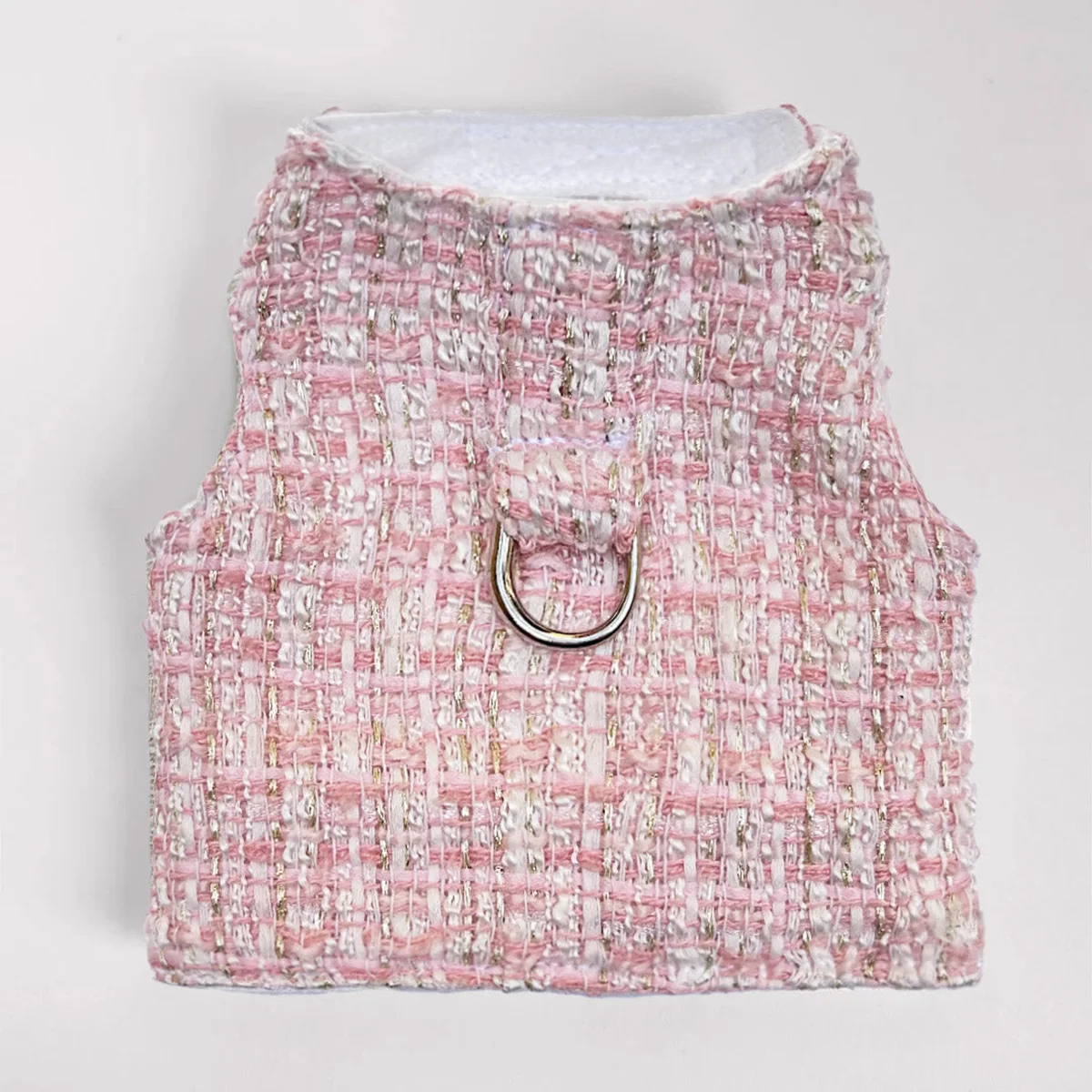 Made in the USA
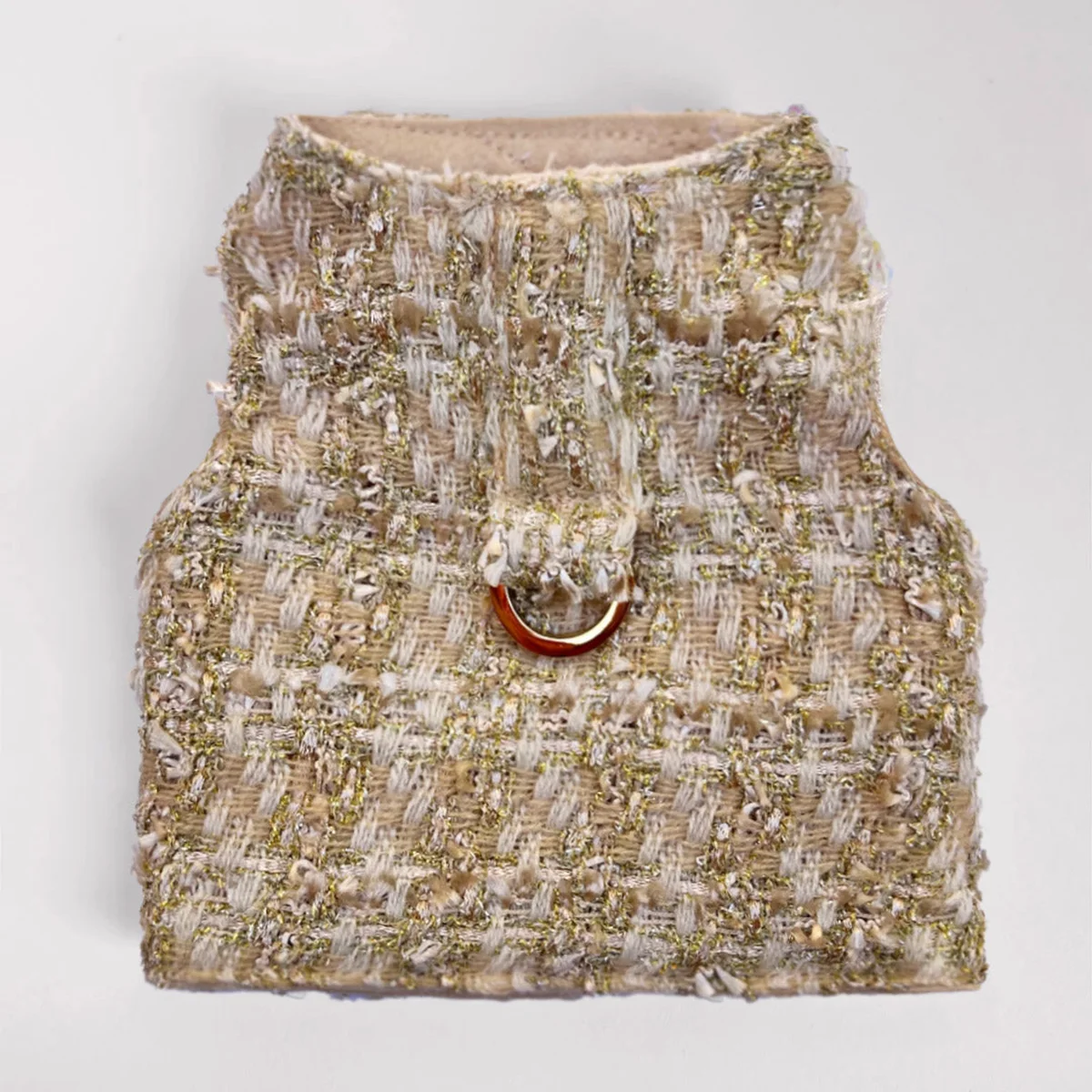
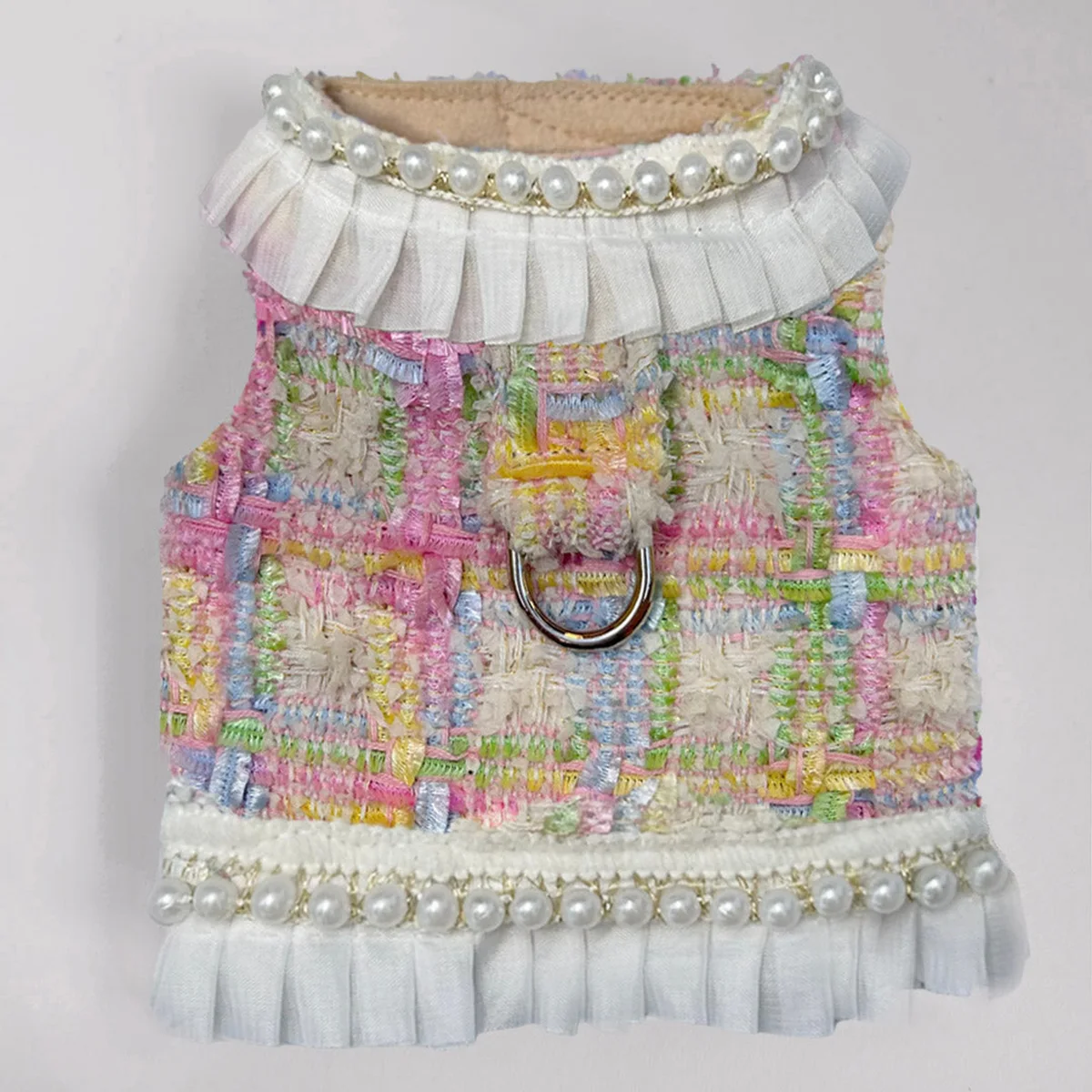 Made in the USA
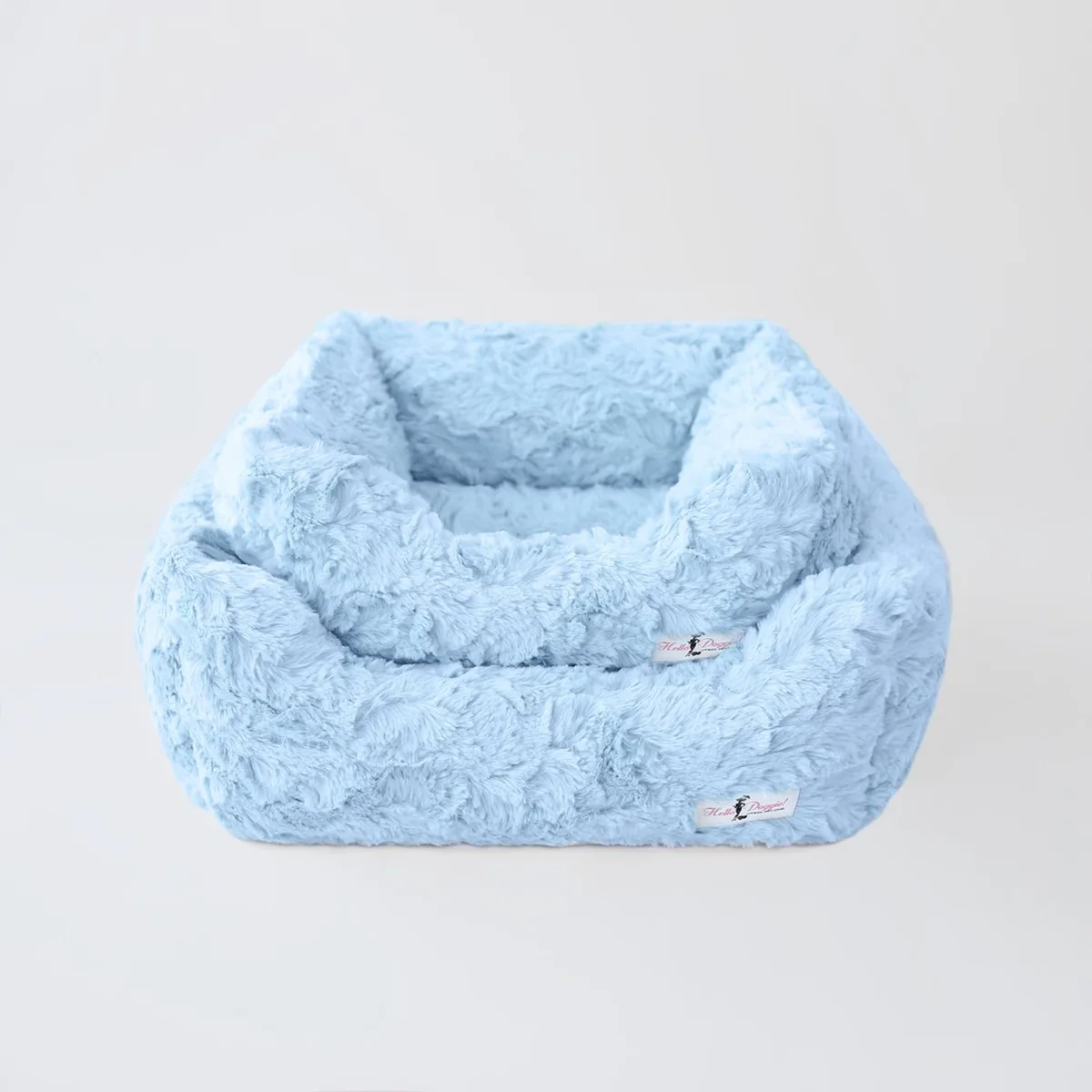 Made in the USA
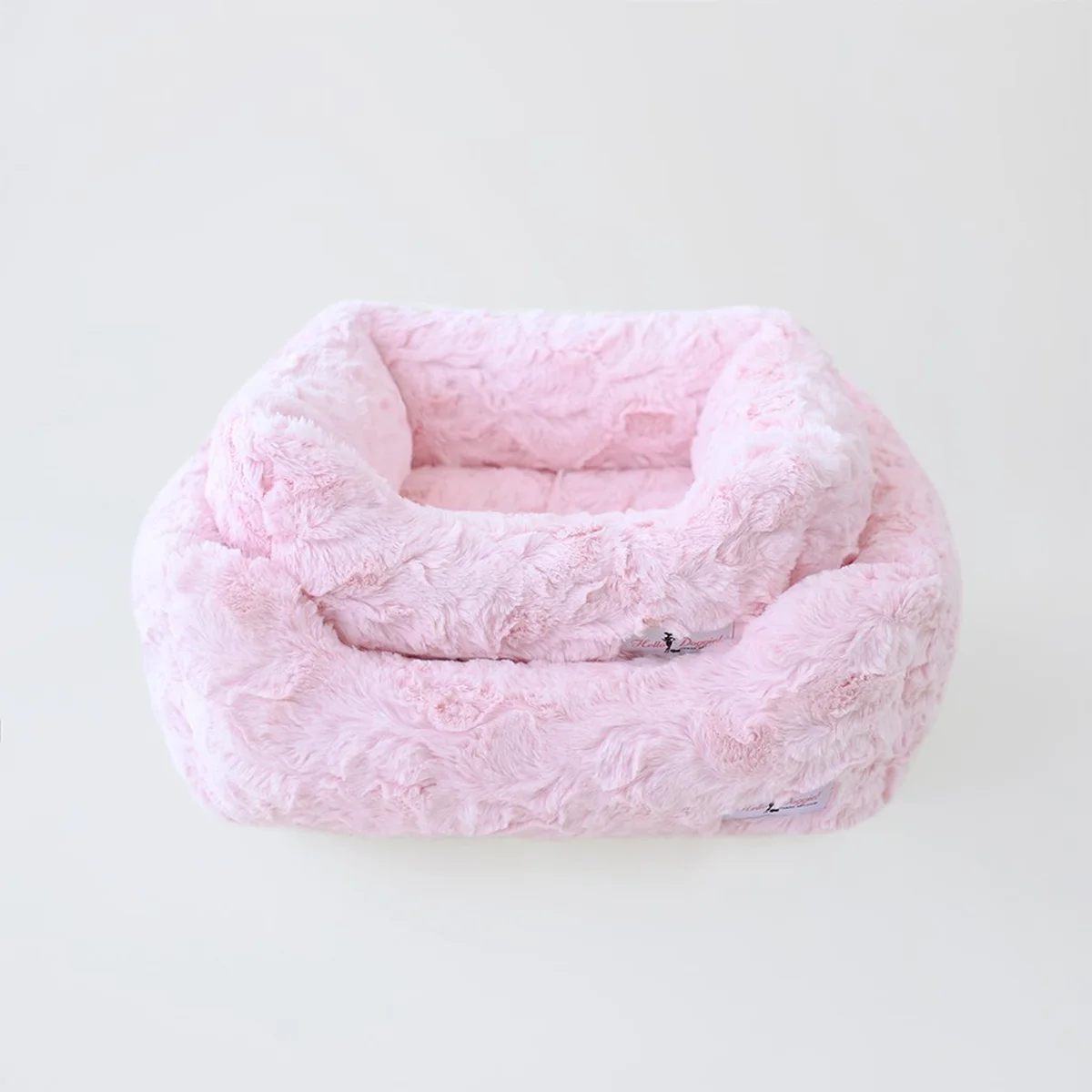
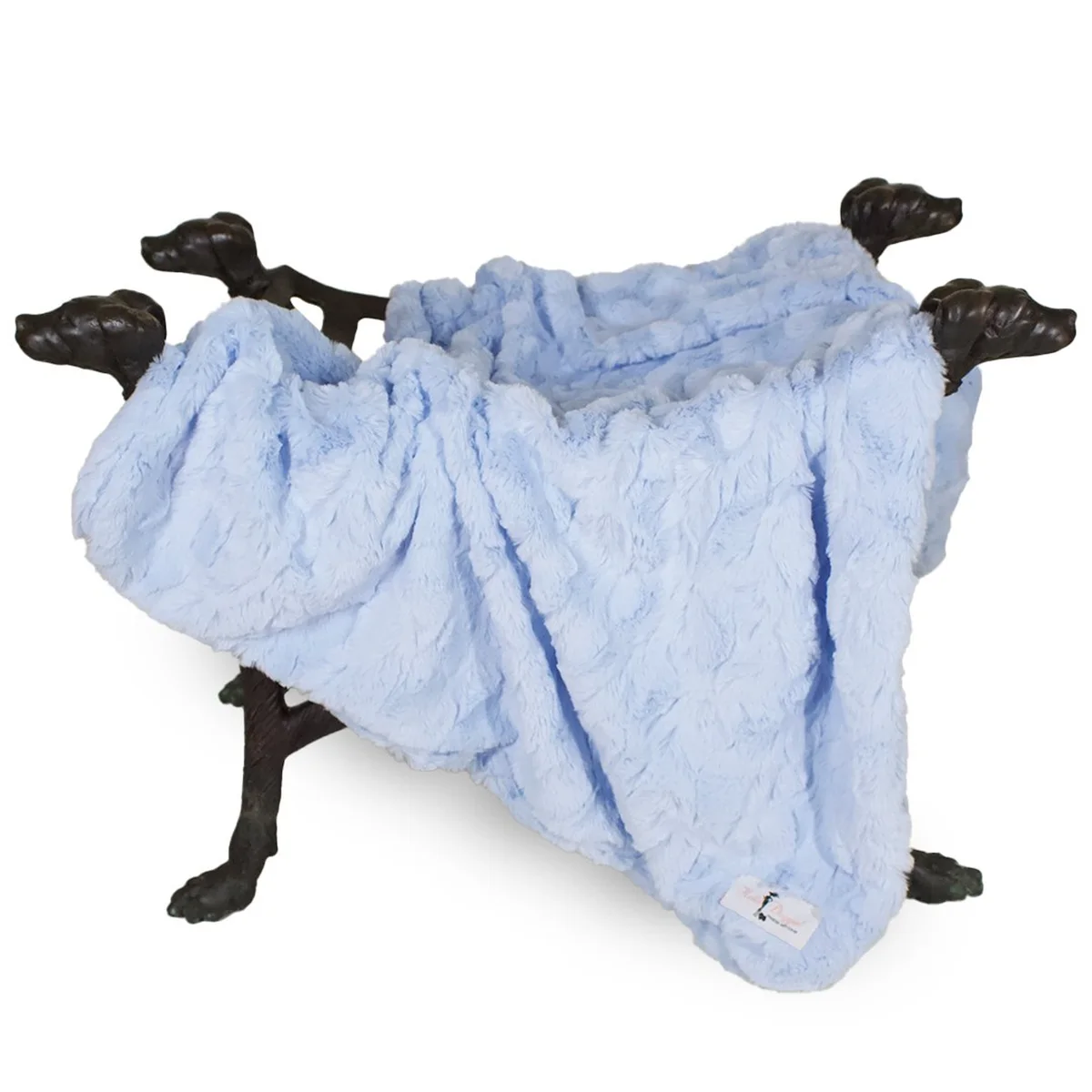 Made in the USA