Canine cancer patients contribute to next-generation minimally invasive cancer therapies for dogs and humans
Reported by Phys.org · October 22 at 11:20 PM · Summary by Pawdeck
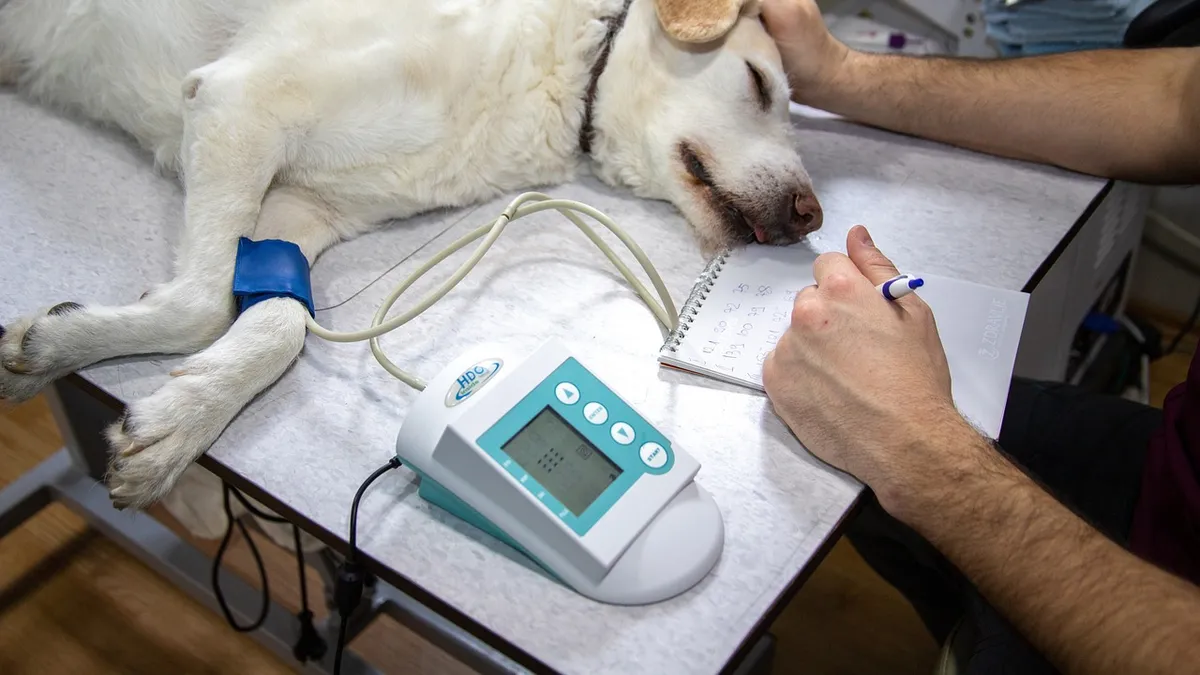
Researchers at Purdue University's College of Veterinary Medicine have set up a new lab to develop protocols for tumor ablation, a less invasive cancer treatment, in dogs. Associate professors Shawna Klahn and Nikolaos Dervisis lead the work, which uses CT imaging and real-time ultrasound to target tumors while sparing healthy tissue.
Background
Tumor ablation destroys cancer tissue directly with focused energy, such as heat, electric pulses, or ultrasound, usually without open surgery. It is often done as an outpatient procedure, and how well it works depends on the cancer's type and location and the patient's overall health. Veterinary trials of new treatments typically proceed carefully and are reviewed before wider use.
Why it matters
Owners of dogs with cancer may one day have gentler options than surgery, radiation or chemotherapy, with potentially fewer side effects.
What you can do
If your dog has been diagnosed with a tumor, ask your veterinarian or a veterinary oncologist whether ablation or other treatments are an option for that specific cancer.
Written by Pawdeck from the report by Phys.org. Background is general information, not advice about your pet; if you are worried, call your vet.
For dogs
 Made in the USA

 Made in the USA

 Made in the USA