Happy face, angry voice: Human–dog interaction study tracks conflicting cues
Reported by Phys.org · November 13 at 10:00 PM · Summary by Pawdeck
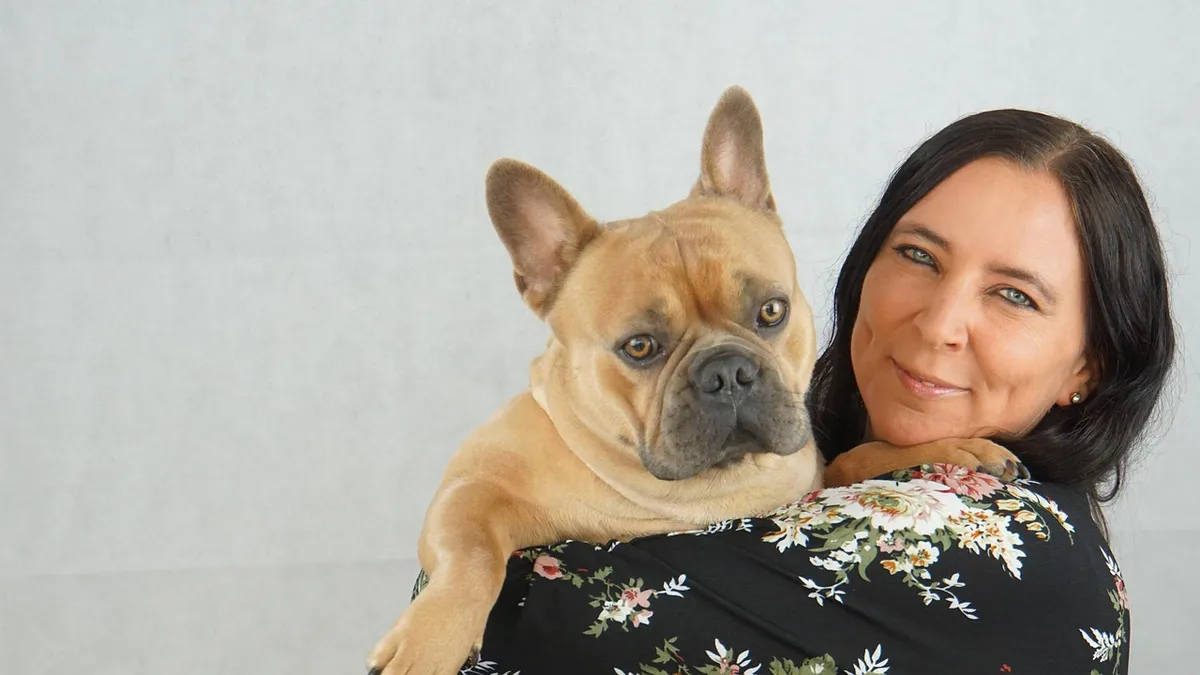
Researchers at Nara Institute of Science and Technology in Japan used EEG caps to record brain activity in three pet dogs watching clips of their owners showing happy or angry faces paired with matching or mismatched voices. Mismatched cues produced larger brain responses than matching ones, most clearly about 250 to 500 milliseconds after the voice played. The authors caution that three dogs is too few to show whether dogs truly combine emotional information across senses.
Background
Dogs are known to read human facial expressions and tone of voice, and brain-imaging studies have explored these responses. Electroencephalography records electrical activity through the scalp in real time, which makes it useful for tracking fast responses, though it cannot pinpoint activity as precisely as slower imaging methods. Small studies like this one are usually treated as preliminary and need replication with more animals before firm conclusions are drawn.
Why it matters
Owners often send dogs mixed signals without realizing it, and understanding how dogs process those signals may help with training and everyday communication.
What you can do
Keep your tone and body language consistent when giving commands or praise, and use calm, steady cues during training. If your dog seems confused or stressed during training sessions, a conversation with your veterinarian or a certified trainer can help.
Written by Pawdeck from the report by Phys.org. Background is general information, not advice about your dog or cat; if you are worried, call your vet.
For dogs
 Made in the USA
 Made in the USA
 Made in the USA